

Östergötlands runinskrifter 165, Ostergotland Travel Guide
A compact Viking-Age runestone repurposed as a church threshold in Skänninge — a quiet, tactile fragment of regional medieval memory.
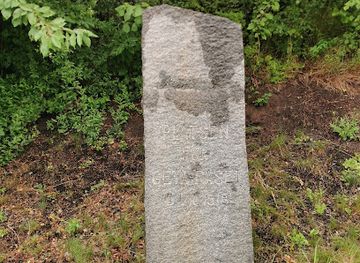
Runestone Ög 165 is a Viking-Age runic inscription originally found built into the threshold of Vårfrukyrkan in Skänninge. Carved in local limestone, the stone bears a short runic text and shows the recycling of ancient monuments into medieval church fabric — a common thread in Sweden's layered landscape. The stone's worn surface, modest scale and placement on Stora Torget make it a subtle but resonant trace of regional early medieval life and commemoration.
A brief summary to Östergötlands runinskrifter 165
- Stora Torget 3, Skänninge, 596 31, SE
- Click to display
- Duration: 0.25 to 1 hours
- Free
-
 Outdoor
- Mobile reception: 4 out of 5

Know before you go
Hi, I'm Eve. Here are a few practical things to know before exploring Östergötlands runinskrifter 165.
- Examine the stone from close range but avoid touching the carved surface when damp; wear soft-soled shoes if you step near the church threshold.
- Bring a magnifying glass or phone macro lens to spot faint rune grooves; strong oblique light (morning or late afternoon) improves legibility.
- Combine this stop with a quiet look around Vårfrukyrkan and the market square to appreciate the stone's urban and ecclesiastical context.
Do you manage this location?
Take control to get all the benefits, like improved information, better appearance, and stronger visibility across AI-powered discovery. Learn more about listing your business on Evendo
Activate your presenceOther nearby places you may find interesting
The closest places of the same kind, if this one is not quite what you had in mind.
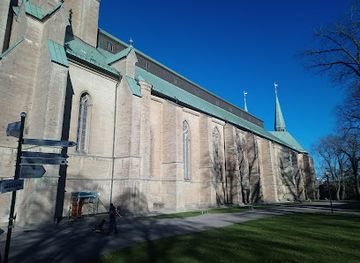
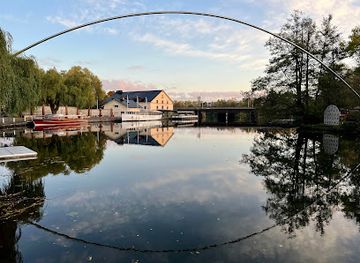
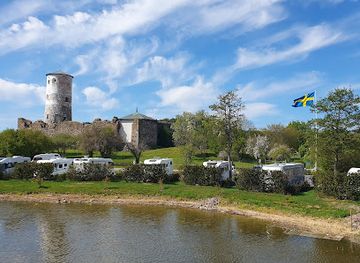
Explore Östergötlands runinskrifter 165 on the Map
A handpicked selection of must-see spots near Östergötlands runinskrifter 165, mapped for you.
Getting There
-
Public bus
Regional bus from Linköping central station to Skänninge takes approximately 25–35 minutes depending on schedule; services run several times daily but frequency decreases on weekends and public holidays. A single-ride ticket costs roughly 30–60 SEK; check local timetables for exact departures and buy tickets via the regional transport app or at staffed stations. Note: services may be limited in late evening.
-
Train + walk
Intercity trains run frequent services to Linköping (20–40 minutes from Stockholm) and from there a connecting regional bus to Skänninge totals roughly 35–60 minutes door-to-door; plan for wait times between connections. Train fares vary by operator and class — typical regional fares start around 100–250 SEK for longer legs; local bus fare is additional (approx. 30–60 SEK). Accessibility: train stations have step-free access but the final short walk in Skänninge is on cobbled surfaces.
-
Car
Driving from the surrounding Östergötland region typically takes 15–40 minutes depending on origin; travel time varies with traffic and season. Parking options near Stora Torget are limited and may be metered; short-stay parking is common. Costs: expect local parking fees in the range of roughly 10–40 SEK per hour. Note: narrow historic streets and cobbles can be challenging for large vehicles.
For the on-the-go comforts that matter to you
-
 Seating Areas
-
 Information Boards
-
 Restrooms
Discover more about Östergötlands runinskrifter 165
Where the stone lives now and what it is
Ög 165 is a modest Viking-Age runic inscription preserved at Vårfrukyrkan in Skänninge; the slab is a worked piece of local limestone that was discovered during 19th‑century repairs when it was found serving as a threshold stone in the church building. The carved runes are compressed and weathered, a small but direct voice from the early medieval landscape that has been repurposed within later architecture.Physical character and visible details
The stone is compact rather than monumental: its lettering runs across a constrained surface and parts of the inscription are worn or truncated from centuries of foot traffic when it acted as a door sill. The surviving runes are typically short phrases naming people and relationships; the style reflects practical carving techniques rather than elaborate pictorial ornament. Look for shallow grooves, smoothing where shoes once scuffed the face, and the pale, granular texture of local limestone.Historical layers and reuse
Ög 165 exemplifies how sacred and secular building practices intersect: medieval churches commonly reused older stones as building material or thresholds, embedding older memorials into the fabric of new sites. That reuse both protected and altered the runic text — preserving it by keeping the slab under cover while abrading its carved surface. The stone thus tells two stories: the original act of memorial carving in the Viking Age and the later practical choices of a medieval parish.Names, social hints and dating clues
Although worn, the inscription follows the familiar runic pattern of commemorating an individual or naming family connections; such short memorial texts are invaluable for historians tracing settlement, kinship and naming practices in Östergötland. Letter forms and language place the carving in the broad Viking-Age to early medieval period; the abbreviated wording and pragmatic layout point to a local carver working on a compact slab rather than a long monumental stone.Sensory impression and setting in Skänninge
Set close to the church threshold on Stora Torget, the stone feels intimate rather than theatrical: its surface is cool to the touch, pitted with tiny fossil grains, and its runes can be glimpsed rather than fully read at a casual glance. The square of the market and the church entrance frame the slab, anchoring this ancient object within the town's everyday rhythm — a quiet relic visible in an otherwise civic space.Why the stone matters to the landscape
Ög 165 is a small but concrete link between Skänninge's medieval townscape and earlier Scandinavian practices of carving memory into stone. Its survival — even as a reused threshold — preserves a fragment of personal commemoration that would otherwise be lost. For those interested in material culture, language history or the palimpsest of built environments, the stone provides a compact case study in continuity, reuse and the quiet longevity of carved words.More to explore near Östergötlands runinskrifter 165
-

Best experiences near Östergötlands runinskrifter 165
-

Best hotels near Östergötlands runinskrifter 165
-

Best attractions near Östergötlands runinskrifter 165
-

Best shops near Östergötlands runinskrifter 165
-

Best restaurants near Östergötlands runinskrifter 165
-

Best bars near Östergötlands runinskrifter 165







Your all‑in‑one travel companion app
Explore expert travel guides, compare and book tours, experiences, hotels, and more—all from the palm of your hand. Download now for seamless trip planning wherever your wanderlust takes you.


Explore More of Ostergotland
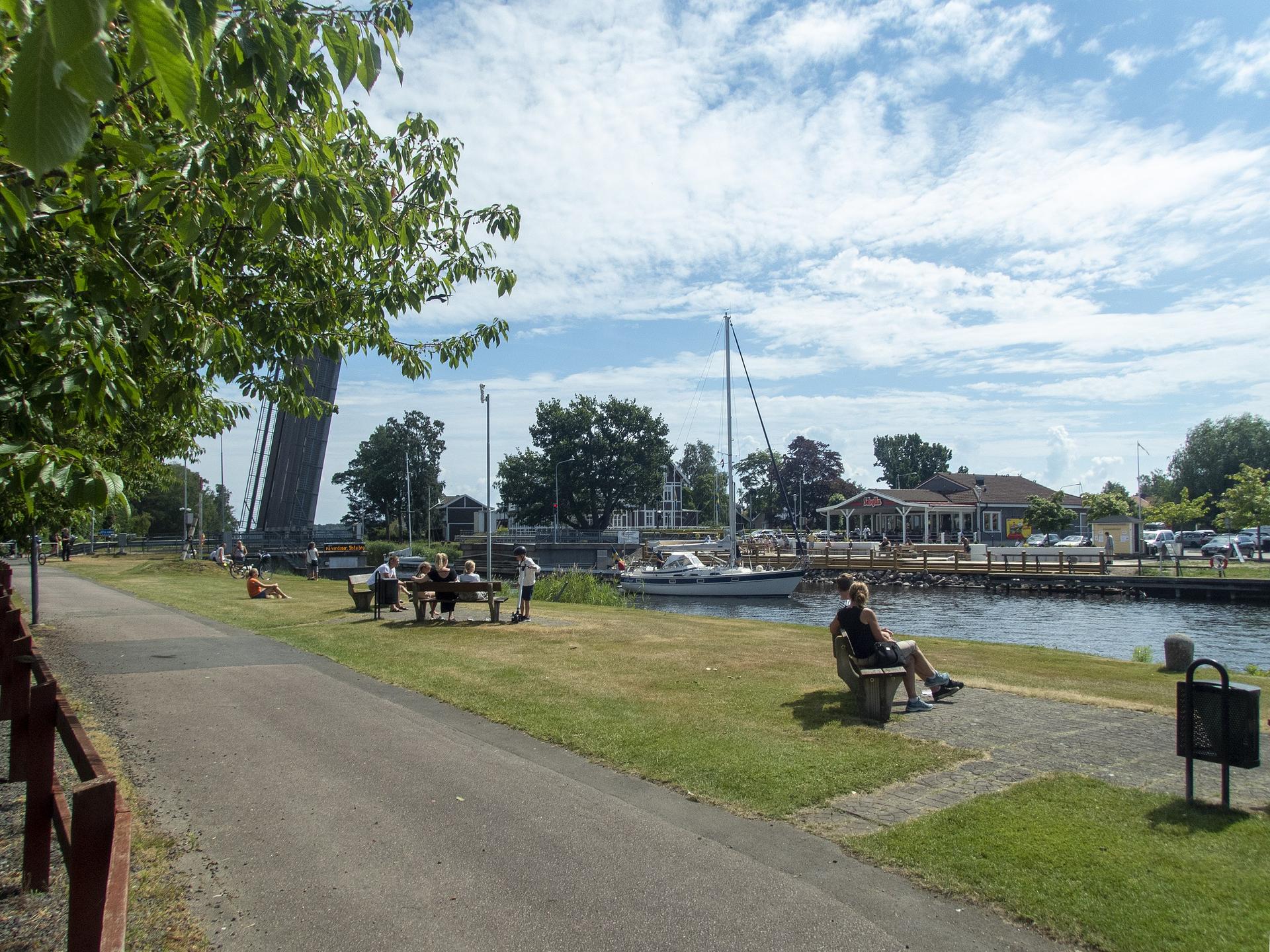
Looking beyond Östergötlands runinskrifter 165? Discover Ostergotland for broader travel guides, local hot-spots, and regional highlights.
Explore Ostergotland
Dramatic 17th-century ruins on a Vättern cliff, offering epic lake views and echoes of Count Per Brahe's lavish vision in Småland's heart.

Towering medieval enforcer on Skänninge's Stora Torget: a 6m club-wielding symbol of Hanseatic justice, revived in iron by local smiths.
