
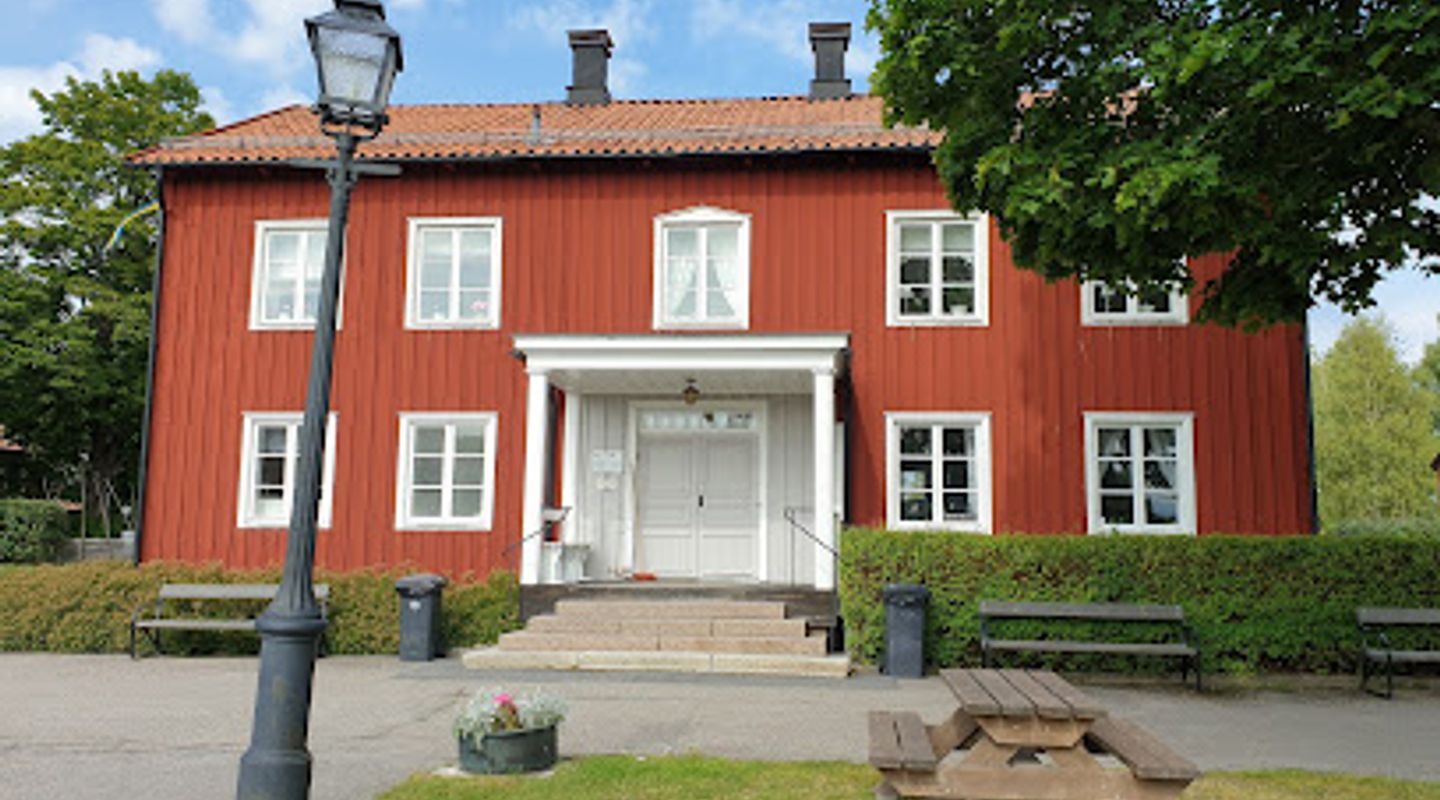
Ekomuseum Bergslagen, Smaland Travel Guide
A distributed open‑air museum where mines, ironworks and workers’ sites map two millennia of Sweden’s industrial past across a single cultural landscape.
Ekomuseum Bergslagen is a sprawling open‑air museum centred on the industrial and mining heritage of Sweden’s Bergslagen region, with sites grouped across a 750 km² cultural landscape around Ludvika and neighbouring municipalities. The project links dozens of historic mine shafts, ironworks, worker settlements, canals and rural homesteads into a living network of sites that illustrate two millennia of iron production, craft and landscape change.
A brief summary to Ekomuseum Bergslagen
- Nils Nils gata 7, Ludvika, 771 53, SE
- Click to display
- Click to display
- Duration: 1 to 6 hours
- Free
-
 Outdoor
- Mobile reception: 4 out of 5

Know before you go
Hi, I'm Eve. Here are a few practical things to know before exploring Ekomuseum Bergslagen.
- Wear sturdy shoes and dress for changing weather—many sites are outdoors on uneven ground with exposed stone and timber.
- Allow several hours or return visits: the ecomuseum comprises many dispersed sites and a single visit can only sample a fraction.
- Bring water and a packed snack for rural sites where services are limited; look for information boards at each property to follow interpretive themes.
Do you manage this location?
Take control to get all the benefits, like improved information, better appearance, and stronger visibility across AI-powered discovery. Learn more about listing your business on Evendo
Activate your presenceOther nearby places you may find interesting
The closest places of the same kind, if this one is not quite what you had in mind.


Explore Ekomuseum Bergslagen on the Map
A handpicked selection of must-see spots near Ekomuseum Bergslagen, mapped for you.
Getting There
-
By regional car
Drive from central Ludvika by car as a primary option; typical travel time from central Ludvika to the museum information hub is approximately 10–25 minutes depending on the specific site visited. Consider seasonal road conditions and limited roadside parking at smaller properties; expect some sites to have only small car parks or roadside bays and occasional unpaved access, with no parking fee at most locations.
-
By regional bus plus short walk
Use regional bus services that connect Ludvika with nearby villages; journey times vary between 15 and 40 minutes from Ludvika depending on destination. Service frequency can be limited on weekends and public holidays; check local timetables in advance. Final approaches typically require a 10–25 minute walk over mixed terrain from the nearest bus stop to individual outdoor sites.
-
By bicycle
Cycle from Ludvika or neighbouring towns for an active visit; typical cycling times are 20–90 minutes depending on route and chosen site. Many roads are quiet and scenic but expect rural surfaces, occasional gravel tracks and modest hills; secure bicycle locks and bring basic repair tools as facilities at smaller sites are limited.
For the on-the-go comforts that matter to you
-
 Information Boards
-
 Seating Areas
Discover more about Ekomuseum Bergslagen
A living landscape of iron and craft
Ekomuseum Bergslagen is not a single building but a distributed museum that uses the region itself as its exhibition space. Spread across forests, lakes and small towns, the collection includes mine shafts, blast furnaces, ironworks, rolling mills, workers’ homes and canal installations that together chart the long human story of extracting and shaping ore into metal. The museum emphasises tangible industry—stonework, charcoal kilns, waterwheels and smithies—set within the varied topography of central Sweden.How the past is embedded in place
Many sites preserve industrial archaeology: ruined furnaces that still drift faint ember heat into the imagination, canal locks that recall the movement of timber and ore, and compact workers’ districts where tightly packed wooden houses reflect the rhythms of shift work. Light and sound here are different from a city museum: wind in pines, the dull echo of hollow pits and the metallic glint of slag and iron against mossy stone. These traces show how local communities adapted to and shaped the environment over centuries.From medieval bloomery to modern steel
The museum frames a narrative that stretches across eras—from prehistoric and medieval ironworking techniques such as bloomery furnaces to 17th–19th‑century industrialisation and on into more recent steel production. Interpreted remains and reconstructed installations let you follow technical changes: how ore was smelted, how charcoal and water power were harnessed, and how transportation networks such as canals and railways reconfigured the landscape around resource flows.Sites that tell different stories
Individual properties within the ecomuseum each offer a different focus: some highlight elite enterprises and estate ironworks with formal buildings and machineries, others preserve the modest cottages and communal structures of miners and Forest Finn settlers. The variety is deliberate—together these places show both the large-scale organisation of industry and the everyday lives of workers, their domestic interiors, craft objects and improvised technologies.Seasonal character and sensory details
Ekomuseum’s character changes with the seasons: late spring brings a bright contrast between fresh foliage and dark slag heaps; autumn intensifies rust and patina; winter muffles the landscape beneath snow, revealing only chimney lines and gateposts. Soundscapes are spare—birds, water, creak of timber—and the visual palette is iron‑rich: blackened stone, red‑brown rust and weathered wood softened by lichen and moss.Why it matters today
As an institutional concept the ecomuseum preserves not just objects but relationships between people, work and place: land use, transport corridors, settlement patterns and the ecological imprint of centuries of extraction. The networked format encourages exploration—sites stand alone yet interlink into a coherent cultural territory—so the museum functions as both a resource for specialist study and a layered, textured experience for anyone interested in industrial heritage and rural landscapes.












Your all‑in‑one travel companion app
Explore expert travel guides, compare and book tours, experiences, hotels, and more—all from the palm of your hand. Download now for seamless trip planning wherever your wanderlust takes you.


Explore More of Smaland
Looking beyond Ekomuseum Bergslagen? Discover Smaland for broader travel guides, local hot-spots, and regional highlights.
Explore Smaland