Engelsberg Ironworks, Smaland Travel Guide
UNESCO-listed jewel of Sweden's industrial past: pristine 17th-century ironworks with manor, furnace, and forge amid tranquil forests and lakes.
Engelsberg Ironworks is a remarkably preserved 17th-19th century industrial complex in central Sweden, recognized as a UNESCO World Heritage site since 1993. Wander through red wooden cottages, a French-style manor house, operational blast furnace from 1779, forge, barns, and workers' dwellings amid serene forests and lakes. Guided tours reveal inner workings; free entry to grounds, with a café nearby. A serene glimpse into Sweden's iron production era that fueled national prosperity.
A brief summary to Engelsberg Ironworks
- Snytenvägen 5, Ängelsberg, 737 90, SE
- Click to display
- Duration: 1 to 2.5 hours
- Budget
-
 Outdoor
- Mobile reception: 4 out of 5

Know before you go
Hi, I'm Eve. Here are a few practical things to know before exploring Engelsberg Ironworks.
- Book guided tours in advance via the official site, especially for English options available on select summer dates; they provide access to interiors otherwise off-limits.
- Visit in summer for demonstrations of the water-wheel and hammers; bring comfortable shoes for the 300m gravel walk between furnace and forge.
- Explore the Ekomuseum Bergslagen network for context on 60+ regional heritage sites, enhancing appreciation of Engelsberg's role.
Do you manage this location?
Take control to get all the benefits, like improved information, better appearance, and stronger visibility across AI-powered discovery. Learn more about listing your business on Evendo
Activate your presenceOther nearby places you may find interesting
The closest places of the same kind, if this one is not quite what you had in mind.

Explore Engelsberg Ironworks on the Map
A handpicked selection of must-see spots near Engelsberg Ironworks, mapped for you.
Getting There
-
Car
Drive from Västerås, 60km south, in 50-70 minutes via Route 66; free parking at the site entrance, though spaces fill during peak summer tours.
-
Train
Take a regional train from Västerås Central Station to Ängelsberg Station, 60-75 minutes with 1-2 changes; then walk 1.5km along flat paths in 20 minutes to the site.
-
Bus
Bus from Fagersta, 15km north, takes 20-30 minutes on local routes (Västmanland Länstrafik); services run hourly in summer, alight at Ängelsberg Bruk stop, 500m walk on paved road.
For the on-the-go comforts that matter to you
-
 Restrooms
-
 Drink Options
-
 Food Options
-
 Seating Areas
-
 Trash Bins
-
 Information Boards
Discover more about Engelsberg Ironworks
Birth of an Industrial Powerhouse
Engelsberg Ironworks emerged in 1681 when a nobleman established a blast furnace in the Bergslagen mining region of central Sweden. Iron production here supplemented local agriculture, drawing on ores mined since around 2500 years ago. By the late 16th century, water-wheels revolutionized output, setting the stage for Engelsberg's rise as a pinnacle of European ironworking technology.The site flourished through the 17th to 19th centuries, producing superior-grade iron that positioned Sweden as a global leader. Production peaked at about 10 tonnes daily before halting in 1919, leaving behind one of the world's finest industrial monuments.Architectural Marvels in Wood and Stone
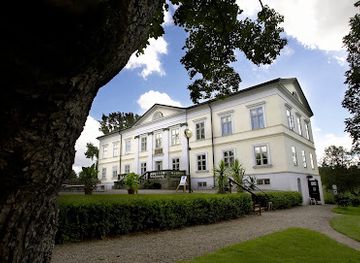
At the heart stands the blast furnace from 1778-1779, a timber-clad structure insulated with sand and soil—known as a 'mulch-timber' design unique to few surviving examples. Its water-wheel, ore crusher, blower, and tilt hammer remain operational during demonstrations, showcasing era-defining innovations like the 1836 blowing engine and 1848 gas-fired ore-roasting kiln.The French-style manor house, completed in the 1740s with slagstone towers used as a summerhouse and earth closet, anchors the estate. Flanking a main alley are the inspector's building, stables, coach house, brewery, monumental slagstone barn from 1872, and workers' cottages, evoking a self-contained village or 'bruks'.Preserved Essence of a Järnbruk
Over 50 buildings form this complete ironworking estate, blending technical, administrative, and residential functions. The forge, rebuilt in 1845 for the Lancashire process and later fitted with French hearths, exemplifies adaptive ingenuity. Administrative structures like the office-turned-housing and ore weighhouse from 1843 highlight the site's layered history.Surrounded by forests and Lake Åmänningen, the complex feels worlds away from modern industry—charming red cottages and utility buildings nestled in greenery, far from the grime of typical factories.UNESCO Legacy and Enduring Significance
Inscribed on the UNESCO World Heritage List in 1993, Engelsberg represents the outstanding universal value of traditional Swedish järnbruk, which underpinned the nation's economic prosperity for two centuries. Its authenticity shines in conserved forms, materials, and setting, with high-quality restoration ensuring longevity.Managed by a council focused on protection and public access, the site balances preservation with limited openings, primarily summer guided tours that unlock restricted areas like the smelting house and forge.Serene Lakeside Ambiance
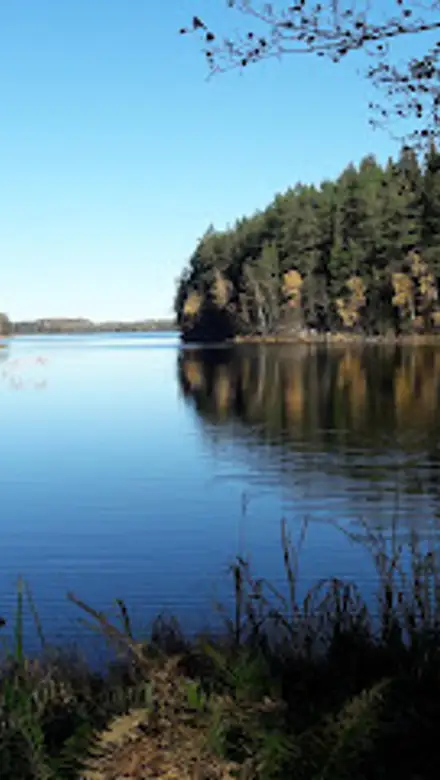
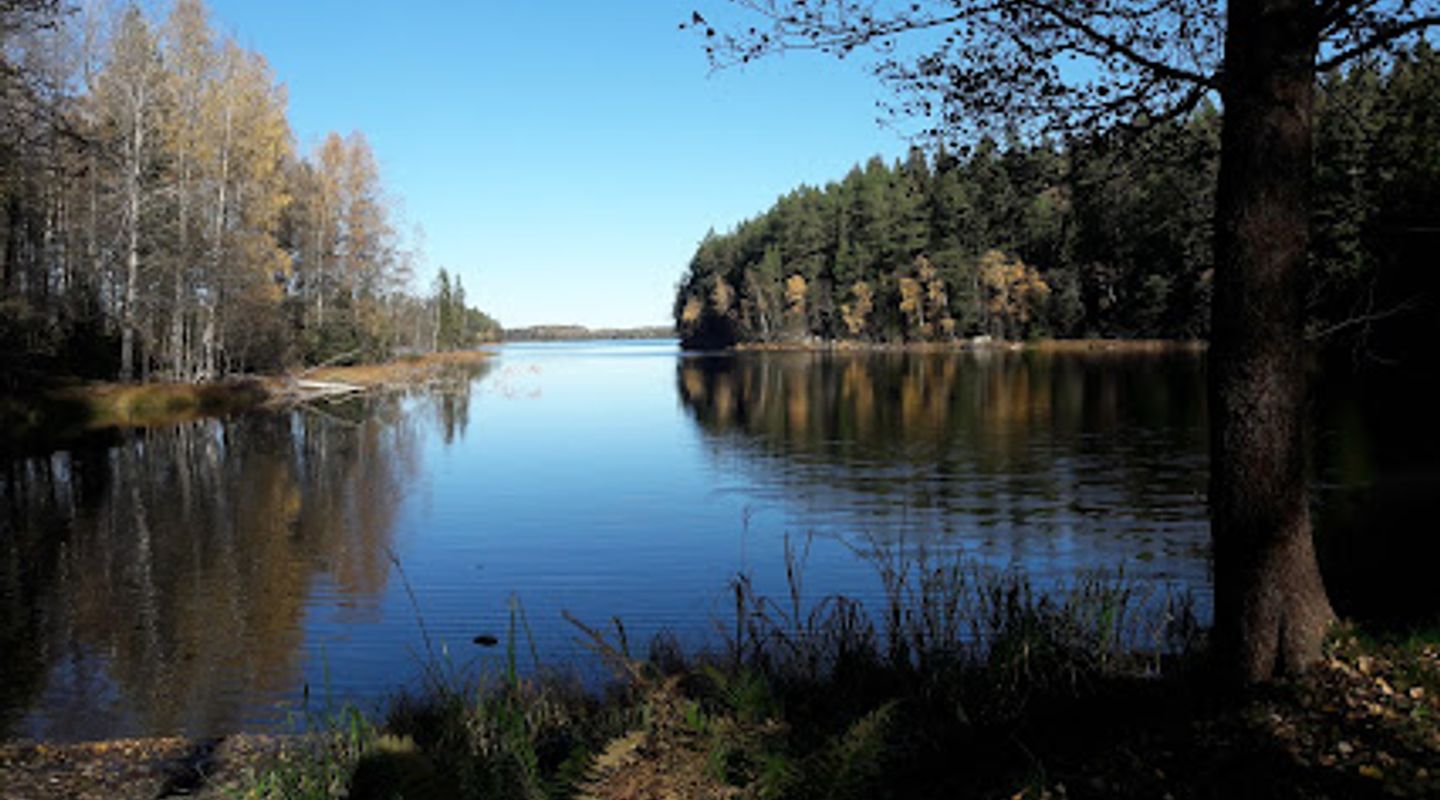
Approach along a gravel path from the visitor area, where the air carries whispers of charcoal and history amid rustling pines. Picnic spots by the lake invite reflection on the workers who powered an empire through sweat and innovation. Demonstrations bring the machinery to life with rhythmic thuds and rushing water, bridging past and present.












Your all‑in‑one travel companion app
Explore expert travel guides, compare and book tours, experiences, hotels, and more—all from the palm of your hand. Download now for seamless trip planning wherever your wanderlust takes you.


Explore More of Smaland
Looking beyond Engelsberg Ironworks? Discover Smaland for broader travel guides, local hot-spots, and regional highlights.
Explore Smaland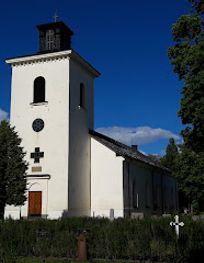
Tranquil 19th-century church blending neoclassical grace with medieval relics, rising from ancient parish ruins in Västmanland's serene countryside.
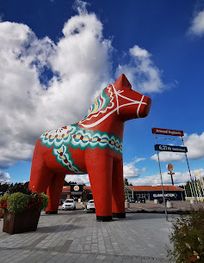
Marvel at the 13m-tall concrete giant, world's largest Dala horse, proudly greeting travelers in Avesta with vibrant Swedish folk art symbolism.