

Telge hus Travel Guide
Free Guide: A small, atmospheric 14th‑century borgruin on Slottsholmen where stone foundations and grassy terraces recall medieval life beside Mälaren.


A brief summary of Telge hus
A small, atmospheric 14th‑century borgruin on Slottsholmen where stone foundations and grassy terraces recall medieval life beside Mälaren.
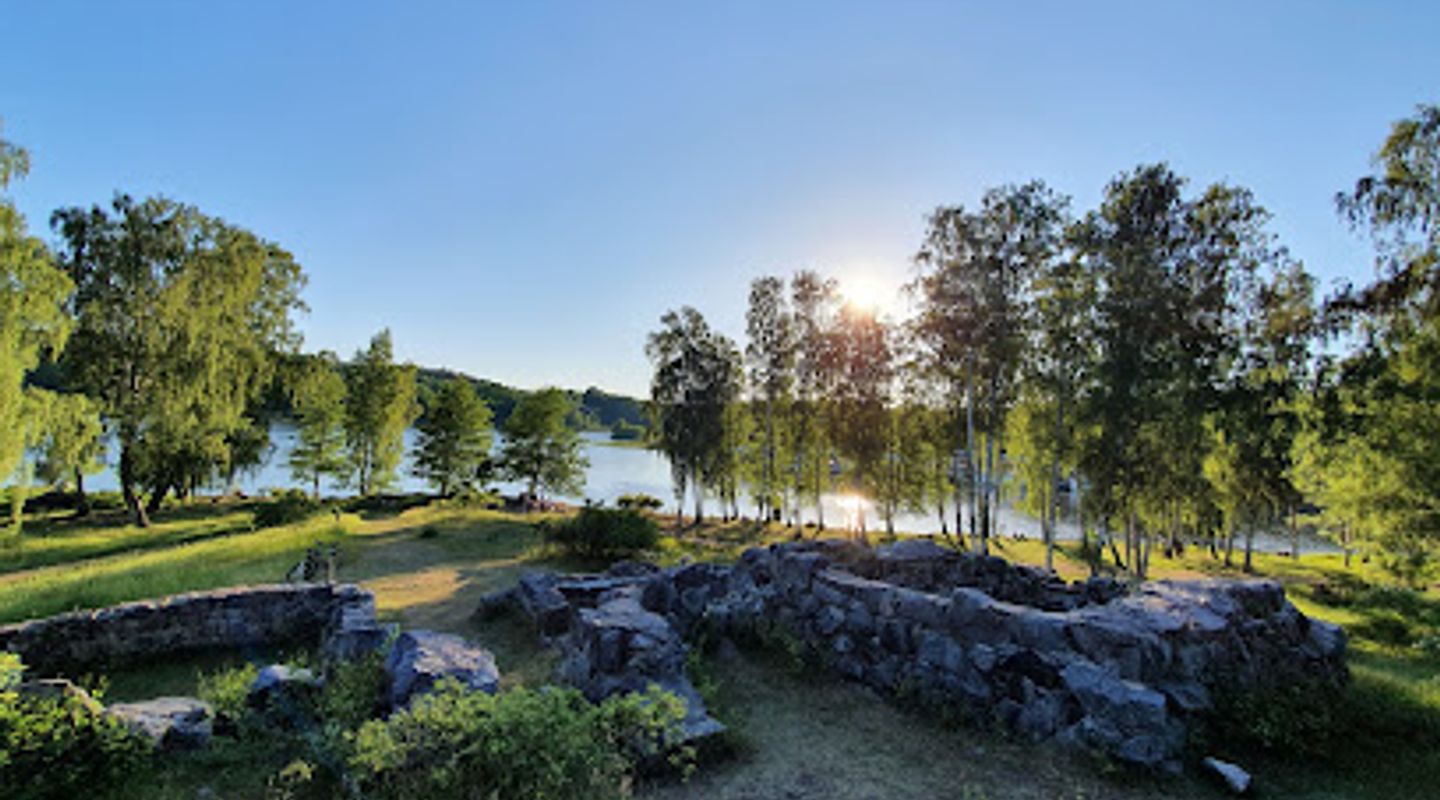
Telge hus, also known as Ragnhildsborg, is the ruined remains of a 14th‑century administrative castle on Slottsholmen in northern Södertälje. The site preserves stone foundations, terraced embankments and visible traces of a moat; archaeological finds from excavations are displayed at the local museum. The ruin sits beside calm Mälaren waters and is protected as a cultural heritage site, its low walls and grassy terraces offering a quiet, evocative glimpse of medieval Sweden.
On-site amenities
 Information boards
 Seating areas
 Picnic areas
 Trash bins
Opening hours
- Every dayOpen 24 hours
Opening hours as listed on the venue’s Google Business Profile. Hours can change for services and special events, so check with the venue before you go.
- Address
- Ragnhildsborgsvägen, 152 50 Södertälje
Getting there
Public bus and short walk
Bicycle
Car then short walk
Discover more about Telge hus
Origins and medieval purpose
Telge hus was founded in the medieval era, with the earliest stone phases dated to the 1300s; the site appears in written sources from the 1400s and functioned as a local administrative and defensive centre for the surrounding Telgehus county between the 14th and early 16th centuries. Archaeological work has identified at least two castle phases: an early waterfront complex and a later stone house with vaulted rooms and a tower. The layout and finds — including weapon fragments and domestic objects — point to a site that combined governance, customs control over water routes and defensive capability.
What remains on the island
Today the ruin comprises the raised stone foundation of the main house (approximately 22 × 10 metres internally) together with a smaller house foundation, terracing and traces of former earthworks and moat lines. Wall fragments built of fieldstone and brick stand low but distinct on a grassy knoll; the house foundation’s inner height measures several metres where original masonry has survived. Post‑glacial shoreline change means the island is larger now than in medieval times, so archaeological deposits appear both onshore and in the surrounding shallow water.
Archaeology and discoveries
Systematic excavations in the early 20th century and later marine archaeological surveys have clarified the site’s sequence: a wooden or earlier structure succeeded by a stone hall with vaulted brick roofs and a defensive tower. Finds recovered from the site and nearby waters include arm‑bow bolts, a horse shoe, metal fittings and boat remains; many of these artefacts are curated by local museums. Conservation work in recent decades has stabilised the visible masonry and revealed features that help interpret how the castle worked within its landscape.
Landscape, ecology and conservation
Slottsholmen’s grassy terraces and shoreline set Telge hus against open water views of Mälaren. Local conservation measures aim to protect the exposed masonry from root damage and freeze–thaw erosion; periodic maintenance and careful grazing have been used to keep vegetation low and reduce pressure on the fragile ruins. The immediate area contains information panels and an arranged firepit with seating nearby, supporting interpretive visits without heavy infrastructure.
Visitor character and sensory notes
The site has a quiet, contemplative atmosphere: low stone walls, turf‑covered mounds and the lapping of shallow water create a strong sense of place. On clear days the ruins cast crisp shadows across the grass and the water reflects the sky; in windier weather the soundscape is dominated by water and reed rustle. The small scale of the remains rewards a slow, observational visit rather than a hurried stop.
Connections and ongoing significance
Telge hus is a protected archaeological site that speaks to regional medieval administration and maritime control of trade routes. Its material traces link to displays and archives held in local heritage institutions, and the ruin continues to be a point of interest for archaeology, conservation and local history projects. The site’s modest scale makes it accessible as a short cultural stop while still offering layered evidence of centuries of change.
Evendo Review Centre
 Google
Guest reviews
Best time to go
Quietest: Jan, Feb & Dec · before 7am
Busy times are Evendo estimates for a typical year, to help you plan. Actual crowds vary with events, school holidays and the weather.
Explore Telge hus on the map
A handpicked selection of must-see spots near Telge hus, mapped for you.
Get your free copy of our complete guide to Telge hus, delivered straight to you.
Everything on this page, from opening hours and how to get there to Eve’s tips and the best time to go, in one PDF you can read offline, print or share.
Already have an account? Sign in
Your Telge hus guide is ready.
We'll send it to · Not you? Sign out

Getting your guide ready…
We are putting together a fresh copy of the Telge hus guide. This can take up to a minute.
This can take a few moments. If your browser asks, choose Allow so the download can start. You'll find the guide in your Downloads folder.
Nothing happened? Download it again
Sorry, the guide is taking longer than usual. Please try again in a minute, or get it by email instead.
Other nearby places you may find interesting
The closest places of the same kind, if this one is not quite what you had in mind.
-
-
-
-
-


Swipe for more places
More to explore near Telge hus

 Best experiences near Telge hus
 Best hotels near Telge hus
 Best landmarks near Telge hus
 Best attractions near Telge hus
 Best shops near Telge hus
 Best restaurants near Telge hus
 Best bars near Telge hus
Do you manage this location?
Take control to get all the benefits, like improved information, better appearance, and stronger visibility across AI-powered discovery.
Explore more
Explore more of Södermanland
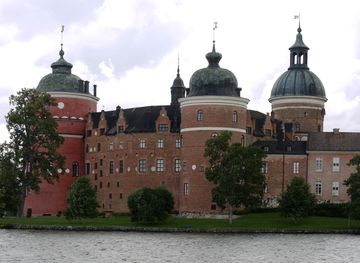
Discover Södermanland: A serene Swedish province offering rich history, stunning nature, and vibrant cultural experiences just south of Stockholm.
Explore Södermanland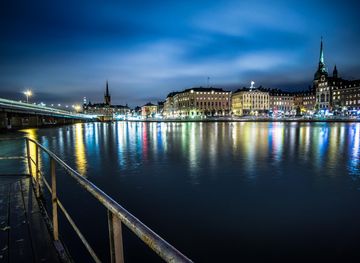
Explore more of Sweden
Discover Sweden's breathtaking landscapes, vibrant cities, and rich cultural heritage. From the Northern Lights to historic castles, experience the essence of Scandinavia.
Explore Sweden
