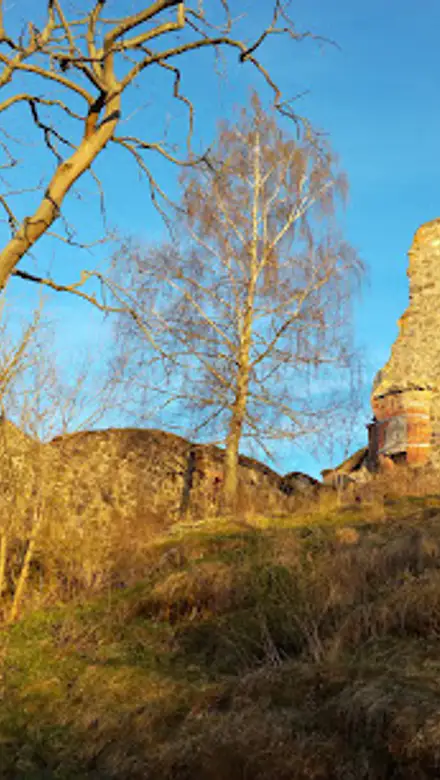
Mörby Castle Travel Guide
Free Guide: Wander the haunting Renaissance ruins of Mörby Castle, where Oxenstierna nobility once reigned amid Uppland's timeless countryside serenity.


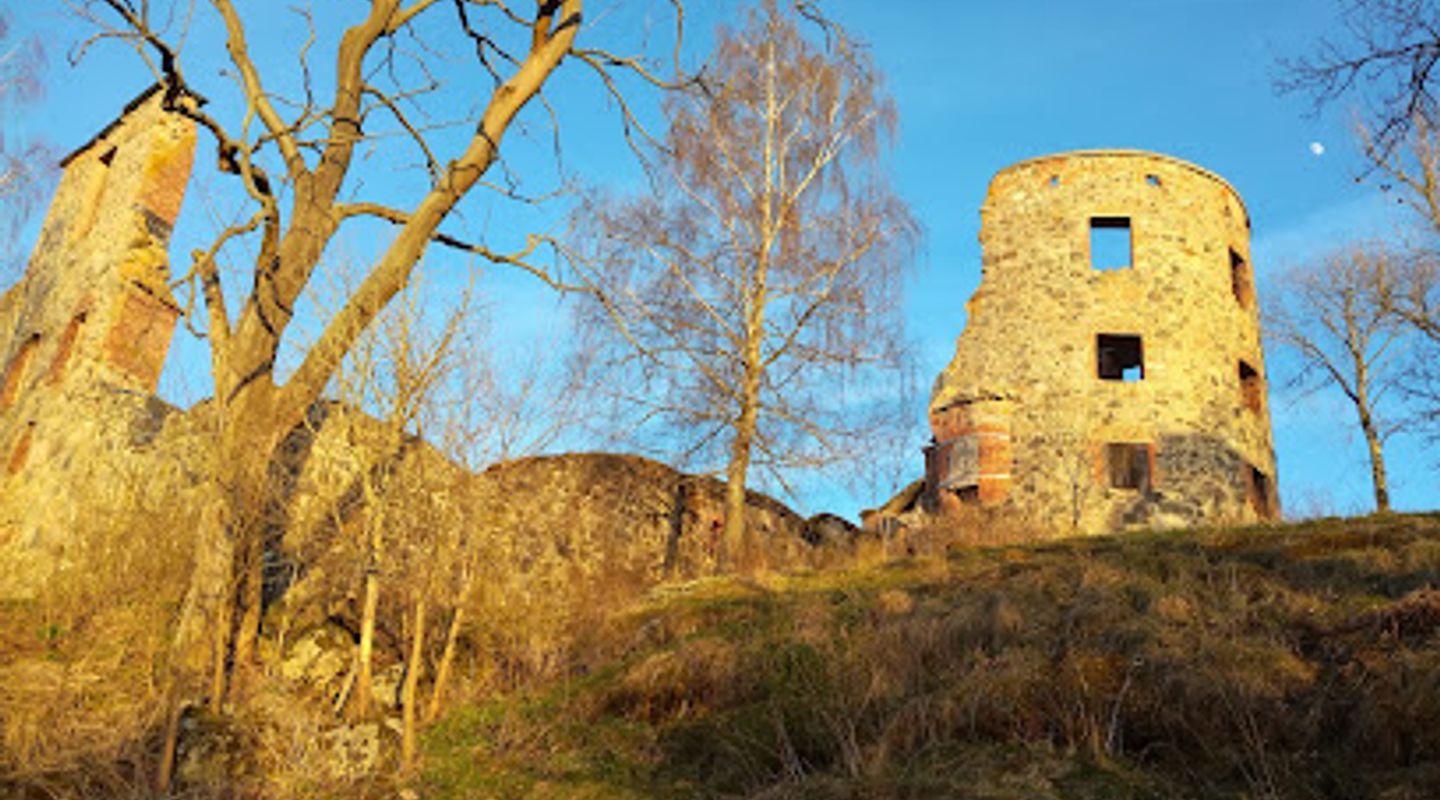
A brief summary of Mörby Castle
Wander the haunting Renaissance ruins of Mörby Castle, where Oxenstierna nobility once reigned amid Uppland's timeless countryside serenity.
Nestled in the serene countryside of Rånäs, the evocative ruins of Mörby Castle stand as a testament to Renaissance grandeur and noble legacy. Originally a 14th-century farmstead transformed into one of Uppland's finest castles in the mid-16th century by Gabriel Kristiernsson Oxenstierna, these weathered stones whisper tales of opulent expansions, financial downfall, and abandonment. Explore the crumbling walls, overgrown courtyards, and atmospheric remnants amid lush landscapes, perfect for history buffs seeking a quiet, introspective wander through Sweden's feudal past.
On-site amenities
 Trash bins
 Information boards
 Seating areas
- Address
- Mörby Gård, 762 96 Rånäs
- Website
Getting there
Car
Bus
Walking
Discover more about Mörby Castle
Renaissance Origins and Noble Ambitions
Mörby began humbly as a farm in the 14th century, its modest structures dotting the rolling Uppland landscape. In the mid-16th century, Gabriel Kristiernsson Oxenstierna, a prominent noble of the influential Oxenstierna family, oversaw its dramatic transformation into a Renaissance castle. This era of expansion elevated Mörby to one of Uppland's most beautiful fortresses, with grand additions reflecting the wealth and status of its owners. The castle's design incorporated elegant proportions and defensive features typical of the period, blending residential comfort with strategic fortification.
Decline and Stripping of Glory
By 1700, the fortunes of Mörby's owners waned, halting further development and initiating a slow decay. In 1728, Arvid Horn acquired the property with intentions to restore it, but the staggering costs proved prohibitive. The castle's valuable copper roof was dismantled and relocated to the nearby Ekebyholm Castle, leaving the structure exposed to the elements. Over time, nature reclaimed the site, with ivy and moss enveloping the once-proud walls, turning the ruin into a picturesque skeleton of its former self.
Oxenstierna Legacy and Family Ties
The Oxenstierna family, renowned statesmen and military leaders, left an indelible mark on Mörby's history. Gabriel Kristiernsson's lineage intertwined with other noble houses, including the Horns, who later owned adjacent estates. This web of aristocratic connections underscores the castle's role in Sweden's feudal power dynamics. Antique engravings, such as those by Erik Dahlberg in Suecia antiqua et hodierna, capture Mörby's majesty in its prime, preserving its architectural splendor for posterity.
Atmospheric Ruins Amid Nature
Today, the ruins sprawl across Mörby Gård in Rånäs, surrounded by tranquil fields and woodlands. The main remnants include fragmented walls, arched doorways, and foundational outlines that hint at the castle's vast footprint. Seasonal changes enhance the site's allure: spring blooms frame the stones in vibrant greens, while autumn fog lends a mystical air. The absence of crowds allows for solitary reflection, with birdsong and rustling leaves providing the soundtrack to exploration.
Cultural Echoes and Local Lore
Mörby's story resonates within Sweden's broader tapestry of castle ruins, many felled by war, economics, or time. Local traditions hint at hauntings, with whispers of medieval spirits lingering among the shadows—tales that add a layer of intrigue without detracting from the site's tangible history. As a free-access historical landmark, it invites visitors to piece together its narrative from the stones themselves, fostering a deep connection to Uppland's past.
Evendo Review Centre
 Google
Guest reviews
Best time to go
Quietest: Jan, Feb & Dec · before 8am or at 8pm
Busy times are Evendo estimates for a typical year, to help you plan. Actual crowds vary with events, school holidays and the weather.
Explore Mörby Castle on the map
A handpicked selection of must-see spots near Mörby Castle, mapped for you.
Get your free copy of our complete guide to Mörby Castle, delivered straight to you.
Everything on this page, from opening hours and how to get there to Eve’s tips and the best time to go, in one PDF you can read offline, print or share.
Already have an account? Sign in
Your Mörby Castle guide is ready.
We'll send it to · Not you? Sign out

Getting your guide ready…
We are putting together a fresh copy of the Mörby Castle guide. This can take up to a minute.
This can take a few moments. If your browser asks, choose Allow so the download can start. You'll find the guide in your Downloads folder.
Nothing happened? Download it again
Sorry, the guide is taking longer than usual. Please try again in a minute, or get it by email instead.
Other nearby places you may find interesting
The closest places of the same kind, if this one is not quite what you had in mind.
-
-
-
-
-


Swipe for more places
More to explore near Mörby Castle

 Best experiences near Mörby Castle
 Best hotels near Mörby Castle
 Best landmarks near Mörby Castle
 Best attractions near Mörby Castle
 Best shops near Mörby Castle
 Best restaurants near Mörby Castle
 Best bars near Mörby Castle
Do you manage this location?
Take control to get all the benefits, like improved information, better appearance, and stronger visibility across AI-powered discovery.
Explore more
Explore more of Södermanland
Discover Södermanland: A serene Swedish province offering rich history, stunning nature, and vibrant cultural experiences just south of Stockholm.
Explore Södermanland
Explore more of Sweden
Discover Sweden's breathtaking landscapes, vibrant cities, and rich cultural heritage. From the Northern Lights to historic castles, experience the essence of Scandinavia.
Explore Sweden