Stora Sundby Castle, Sodermanland Travel Guide
Sweden's enchanting calendar castle by Lake Hjälmaren: towers for seasons, rooms for weeks, windows for days—a romantic blend of medieval might and 19th-century whimsy.
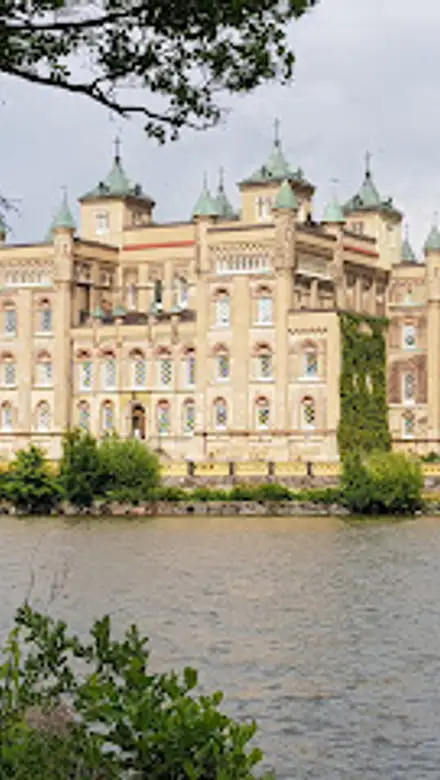
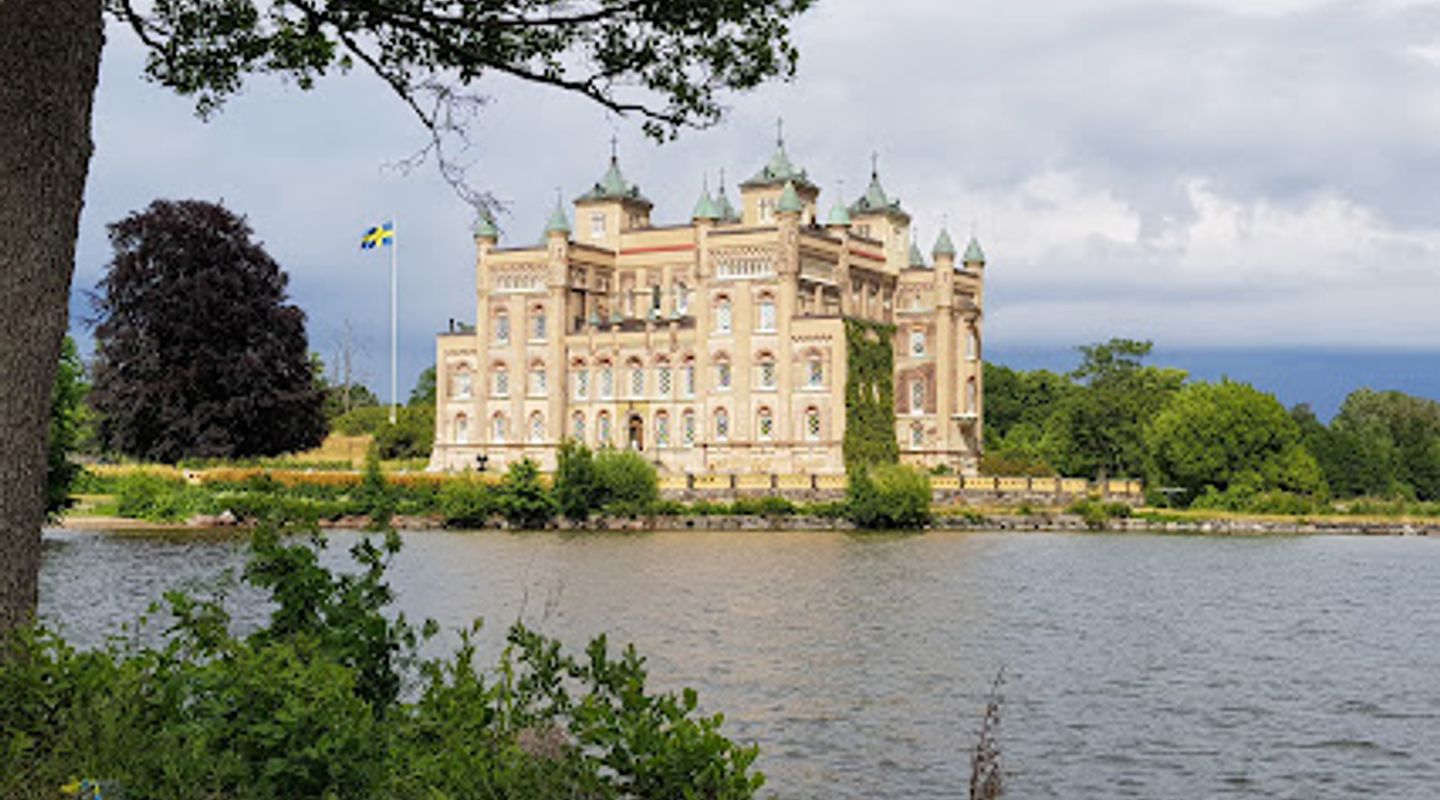
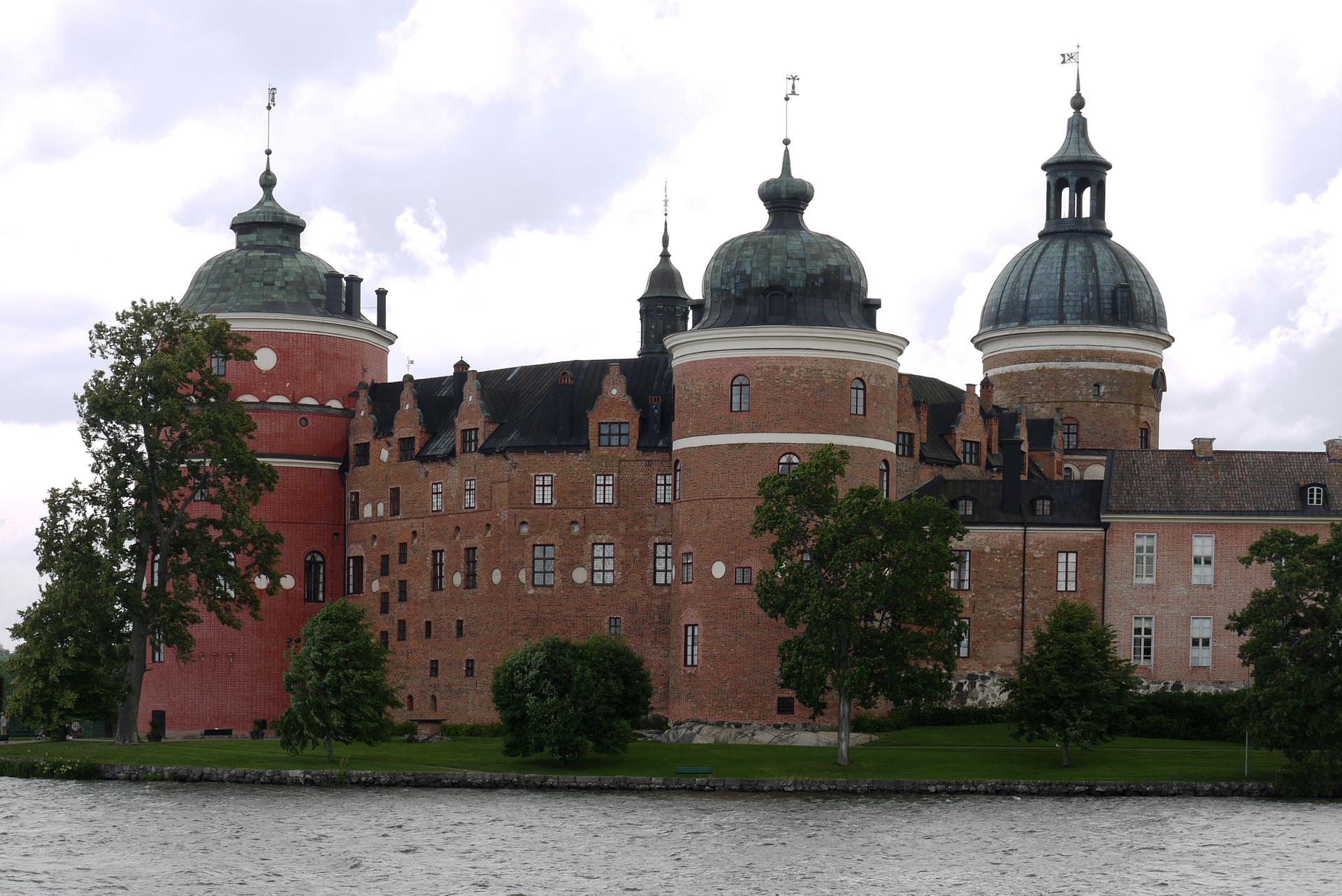
Perched on the shores of Lake Hjälmaren, Stora Sundby Castle is a romantic 19th-century fairytale fortress with medieval roots. Its calendar-inspired architecture features four towers for the seasons, twelve smaller turrets for the months, 52 rooms for the weeks, and 365 windows for the days. Explore the scenic park, rune stone, old ruins, deer enclosure, and café amid lush gardens and wildlife habitats. Privately owned by the Klingspor family since 1888, guided tours are available for groups in summer.
A brief summary to Stora Sundby Castle
- Stora Sundby Gård, Slottet, Stora Sundby, 635 35, SE
- Click to display
- Click to display
- Duration: 1 to 2.5 hours
- Budget
-
 Outdoor
- Mobile reception: 4 out of 5
- Monday 10 am-6 pm
- Tuesday 10 am-6 pm
- Wednesday 10 am-6 pm
- Thursday 10 am-6 pm
- Friday 10 am-6 pm
- Saturday 10 am-6 pm
- Sunday 10 am-6 pm

Know before you go
Hi, I'm Eve. Here are a few practical things to know before exploring Stora Sundby Castle.
- Visit the oak park to see remnants of the 13th-century fort foundations and imagine medieval sieges.
- Stroll the rose gardens in summer for peak blooms and aromatic scents amid the calendar towers.
- Spot deer in the enclosure and listen for birds in the wetlands—bring binoculars for wildlife.
- Book summer group tours in advance to glimpse interiors like the Knight's Hall; no individual entry.
Do you manage this location?
Take control to get all the benefits, like improved information, better appearance, and stronger visibility across AI-powered discovery. Learn more about listing your business on Evendo
Activate your presenceOther nearby places you may find interesting
The closest places of the same kind, if this one is not quite what you had in mind.
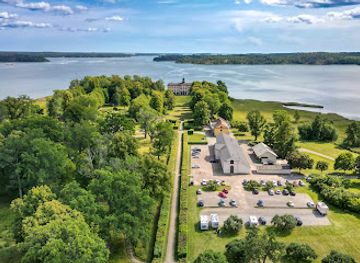
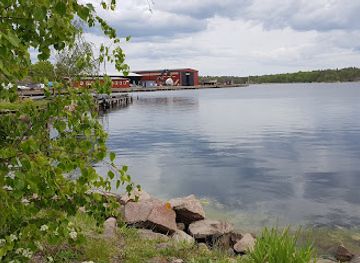
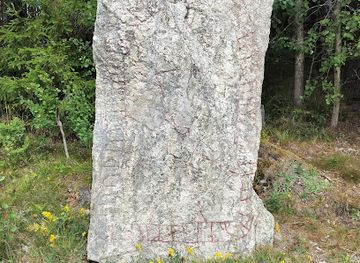
Explore Stora Sundby Castle on the Map
A handpicked selection of must-see spots near Stora Sundby Castle, mapped for you.
Getting There
-
Car
Drive from Eskilstuna center, 27 km away, in 25–35 minutes via Route 53; free parking available at the site, though spaces fill on weekends.
-
Bus
Take Länstrafiken bus 802 from Eskilstuna Bus Station to Stora Sundby stop, 40–50 minutes with hourly service; short 1.2 km walk on flat paths follows, SEK 40–60 one-way.
-
Taxi
Taxi from Eskilstuna train station covers 27 km in 25–30 minutes, SEK 400–550; reliable for groups but book ahead on peak days.
For the on-the-go comforts that matter to you
-
 Drink Options
-
 Food Options
-
 Seating Areas
-
 Trash Bins
-
 Information Boards
Discover more about Stora Sundby Castle
Medieval Origins and Defensive Beginnings
Stora Sundby Castle's story unfolds from the 13th century, when a simple defensive fortification rose strategically at Hjälmaresund on Lake Hjälmaren, Sweden's fourth-largest lake. This early structure, whose foundations remain visible in the adjacent oak park, served as a vital outpost amid power struggles. In 1364, it was besieged by King Albrekt of Mecklenburg during his contest with Magnus Eriksson for the Swedish throne, highlighting its military significance.By the 15th century, the original fort was abandoned, paving the way for a new castle on the current site, beautifully positioned along the lake's edge. Ownership passed through noble hands, including Lars Ulfsson Blå around 1400 and Ydha Johansson Bülow, who briefly gifted it to Julita Abbey before it returned to her family.Sparre Family's Renaissance Legacy
The influential Sparre family shaped the castle profoundly from the late 15th century. Sigge Larsson Sparre initiated the new structure, but his son Lars Siggesson Sparre, Gustav Vasa's riksmarskalk, oversaw major construction from 1546–1584, completing it with three towers as a sturdy stem castle. His son, Erik Larsson Sparre, further developed it into Sundby House, a Renaissance stronghold.The Sparres held the estate for over 300 years, enduring events like the 1600 Linköping Bloodbath, after which it was confiscated by the crown but later restored to Erik's widow, Ebba Brahe. In the 17th century, Axel Sparre enlisted Nicodemus Tessin the Elder and Erik Dahlbergh for Baroque upgrades, including the Knight's Hall between 1660–1670.Romantic Transformation into a Calendar Castle
In 1827, Count Carl de Geer acquired Stora Sundby for his daughter Charlotta and her husband, Baltzar von Platen. Dissatisfied with the old fortress, Carl's wife Ulrika Sofia Sprengtporten, inspired by Sir Walter Scott's Ivanhoe novels, demanded a romantic medieval castle. De Geer commissioned British architect Peter Frederick Robinson, who had designed Scott's Abbotsford, to redesign it in Neo-Gothic Norman style.Master builder Abraham Nyström executed the 16-year project from 1832–1848, cladding the existing walls with pinnacles and towers while preserving interiors. The result is a whimsical 'calendar castle': four grand towers for seasons, twelve small ones for months, 52 rooms for weeks, and 365 windows for days, evoking timeless enchantment by the lake.Estate Life and Klingspor Ownership
The castle remains a private residence, home to the fourth generation of the Klingspor family since 1888, when Louise Silfverschiöld married Count Carl Klingspor. Previously leased to Princess Stephanie von Wedel until 1937, it blends lived-in heritage with careful preservation. Photography inside is prohibited to protect its historic interiors.Parklands, Wildlife, and Natural Harmony
Surrounding the castle, expansive grounds invite exploration: fragrant rose gardens, a well-preserved rune stone, 16th-century ruins, and walking paths through diverse habitats. A deer enclosure houses red deer, while forests teem with moose and boar. Ponds and wetlands foster birdlife, reflecting active conservation efforts for rich flora and fauna. Once, lake waters lapped at the walls before drainage in 1877–1888.












Your all‑in‑one travel companion app
Explore expert travel guides, compare and book tours, experiences, hotels, and more—all from the palm of your hand. Download now for seamless trip planning wherever your wanderlust takes you.


Explore More of Sodermanland
Looking beyond Stora Sundby Castle? Discover Sodermanland for broader travel guides, local hot-spots, and regional highlights.
Explore Sodermanland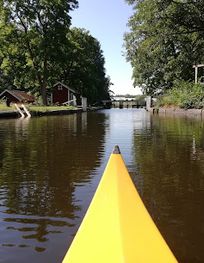
Step into 18th-century Sweden at Konung Karl XI sluss, where royal vision and laborers' sweat forged a canal lifeline for Bergslagen's iron empire—now a serene heritage haven.

Viking runestone with Thor's hammer: Sons honor father Þjóðmundr in pagan defiance near Stenkvista Church, Eskilstuna.