

Södermanlands runinskrifter 111 Travel Guide
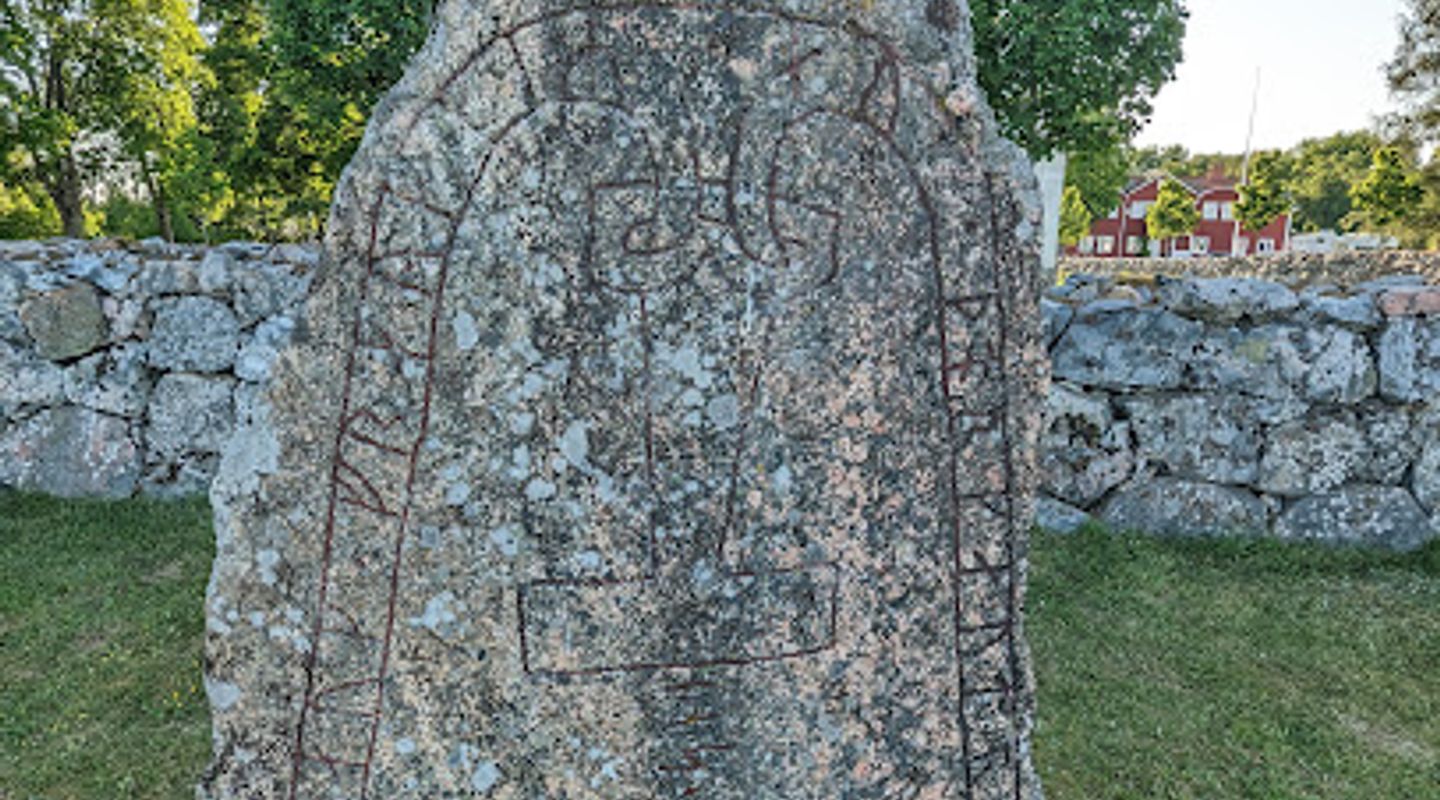
Free Guide: Viking runestone with Thor's hammer: Sons honor father Þjóðmundr in pagan defiance near Stenkvista Church, Eskilstuna.


A brief summary of Södermanlands runinskrifter 111
Viking runestone with Thor's hammer: Sons honor father Þjóðmundr in pagan defiance near Stenkvista Church, Eskilstuna.
The Stenkvista runestone, known as Södermanlands runinskrifter 111 or Sö 111, stands as a powerful Viking Age memorial near Stenkvista Church in Eskilstuna, Sweden. Erected by three sons—Helgi, Freygeirr, and Þorgautr—in honor of their father Þjóðmundr, it features a striking depiction of Thor's hammer, Mjöllnir, symbolizing pagan devotion amid Christianity's rise. Located by the roadside in the churchyard's southwestern corner, this late Viking Age artifact (11th century) showcases runic artistry with dotted word separation and theophoric names invoking Norse gods Freyr and Thor. One of few runestones bearing Thor's hammer, it offers a glimpse into Södermanland's rich runic heritage, blending memorial tradition with mythological symbolism in a serene rural setting.
On-site amenities
 Restrooms
 Seating areas
 Trash bins
 Information boards
Opening hours
- Every dayOpen 24 hours
Opening hours as listed on the venue’s Google Business Profile. Hours can change for services and special events, so check with the venue before you go.
- Address
- Stenkvista Stenkulla 1, 635 19 Eskilstuna
Getting there
Bus
Driving
Cycling
Walking
Discover more about Södermanlands runinskrifter 111
Viking Memorial in Stone
The Stenkvista runestone rises modestly yet imposingly near the roadside, positioned in the southwestern corner of Stenkvista Church's graveyard. Carved in the late Viking Age, likely the 11th century, this boulder bears the designation Sö 111 in the Rundata catalog, part of Södermanlands runinskrifter. Its surface holds a runic inscription raised by three sons: Helgi, Freygeirr, and Þorgautr, commemorating their father Þjóðmundr. The text reads: "Helgi and Freygeirr and Þorgautr raised the rune-decorated landmark in memory of Þjóðmundr, their father." This personal tribute exemplifies the era's custom of erecting runestones to preserve memory and status.
Thor's Hammer Symbolism
Dominating the stone's design is Mjöllnir, Thor's hammer, suspended above the runes. This rare pagan emblem on a runestone signals a deliberate assertion of Norse faith, possibly countering the encroaching Christian cross seen on contemporary monuments. The runemaster artfully placed key runes—þiuþmunt for Þjóðmundr and faþur sin for "their father"—directly beneath the hammer, integrating symbol and text. Comparable Thor's hammer depictions appear on select stones like U 1161 in Altuna and Sö 86 in Åby, highlighting a regional tradition in Sweden and Denmark during Christianity's spread.
Theophoric Names and Mythology
The commemorators' names weave Norse mythology into the narrative. Freygeirr translates to "Freyr's Spear," invoking the fertility god Freyr, while Þorgautr means "Thor-Goth," honoring the thunder god Thor. These theophoric elements—names incorporating divine references—reflect deep cultural reverence for pagan deities. Helgi's name, meaning "holy one," adds a layer of sanctity. Such naming practices on runestones reveal how Viking Age families embedded mythology in identity, bridging personal loss with cosmic forces.
Runic Craftsmanship
The inscription employs Younger Futhark runes with distinctive dots separating words, a stylistic choice enhancing readability. The layout frames the hammer centrally, with runes curving around it, demonstrating the carver's skill in balancing form and function. This runestone tradition peaked in the late 10th to early 11th centuries, when Scandinavia saw thousands of such memorials, though most date to this transformative period. Sö 111's preservation near Stenkvista Church underscores its endurance through centuries of landscape change.
Historical Context of Södermanland Runes
Situated two kilometers east of Skogstorp in Södermanland County, the stone anchors a landscape dotted with ancient markers. Södermanland boasts numerous runinskrifter cataloged in Sveriges runinskrifter volume 3, reflecting the region's role in Viking commemorative culture. As Christianity gained ground, pagan symbols like Mjöllnir persisted, illustrating cultural transition. The stone's proximity to the church today evokes this historical tension, standing as a testament to pre-Christian legacies amid medieval sacred grounds.
Enduring Legacy
Today, Sö 111 invites quiet reflection on Viking artistry and belief. Its weathered surface, etched with runes and myth, connects modern visitors to 11th-century lives. Free to approach at any time, it embodies Sweden's runic heritage, preserved as a fornlämning (ancient monument). The stone's subtle presence by the churchyard path rewards those seeking tangible links to the Norse world.
Evendo Review Centre
 Google
Guest reviews
Best time to go
Quietest: Jan, Feb & Dec · before 7am or from 8pm
Busy times are Evendo estimates for a typical year, to help you plan. Actual crowds vary with events, school holidays and the weather.
Explore Södermanlands runinskrifter 111 on the map
A handpicked selection of must-see spots near Södermanlands runinskrifter 111, mapped for you.
Get your free copy of our complete guide to Södermanlands runinskrifter 111, delivered straight to you.
Everything on this page, from opening hours and how to get there to Eve’s tips and the best time to go, in one PDF you can read offline, print or share.
Already have an account? Sign in
Your Södermanlands runinskrifter 111 guide is ready.
We'll send it to · Not you? Sign out

Getting your guide ready…
We are putting together a fresh copy of the Södermanlands runinskrifter 111 guide. This can take up to a minute.
This can take a few moments. If your browser asks, choose Allow so the download can start. You'll find the guide in your Downloads folder.
Nothing happened? Download it again
Sorry, the guide is taking longer than usual. Please try again in a minute, or get it by email instead.
Other nearby places you may find interesting
The closest places of the same kind, if this one is not quite what you had in mind.
-
-
-
-
-


Swipe for more places
More to explore near Södermanlands runinskrifter 111
-
 Best experiences near Södermanlands runinskrifter 111
-
 Best hotels near Södermanlands runinskrifter 111
-
 Best landmarks near Södermanlands runinskrifter 111
-
 Best attractions near Södermanlands runinskrifter 111
-
 Best shops near Södermanlands runinskrifter 111
-
 Best restaurants near Södermanlands runinskrifter 111
-
 Best bars near Södermanlands runinskrifter 111


Do you manage this location?
Take control to get all the benefits, like improved information, better appearance, and stronger visibility across AI-powered discovery.
Explore more
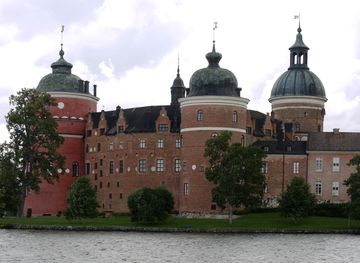
Explore more of Södermanland
Discover Södermanland: A serene Swedish province offering rich history, stunning nature, and vibrant cultural experiences just south of Stockholm.
Explore Södermanland
Explore more of Sweden
Discover Sweden's breathtaking landscapes, vibrant cities, and rich cultural heritage. From the Northern Lights to historic castles, experience the essence of Scandinavia.
Explore Sweden
