Brunkebergstorg, Stockholm Archipelago Travel Guide
A triangular, historically layered square in Norrmalm where Stockholm’s 19th‑century elegance meets 20th‑century civic architecture.
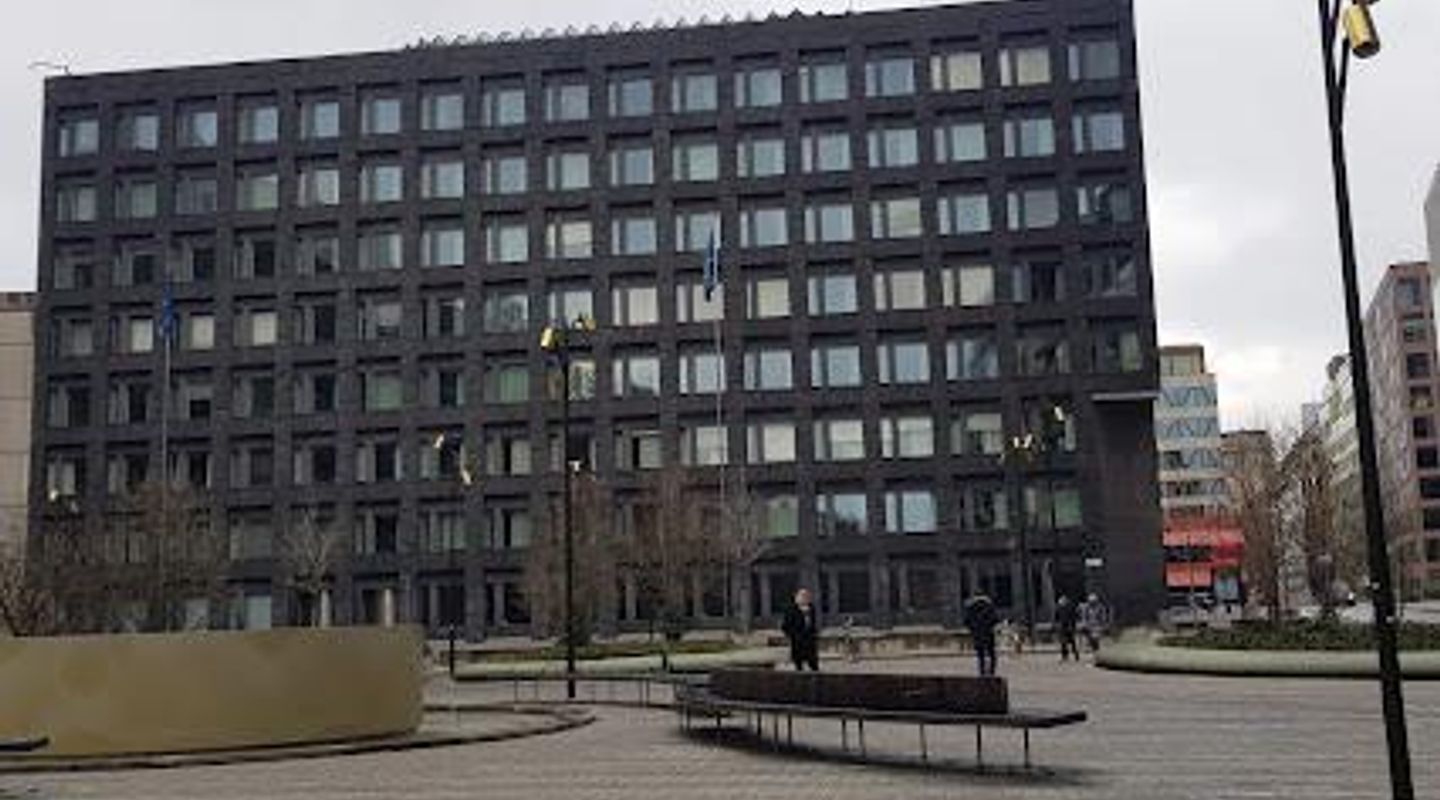
Brunkebergstorg is a historic triangular square in Norrmalm at the heart of central Stockholm (postal code 111 51). Once a 19th-century enclave of elegant townhouses, hotels and arcades, the square today sits amid office buildings and notable landmarks. It bears traces of medieval topography, 19th‑century urban life and 20th‑century redevelopment, and is a compact urban meeting place framed by imposing façades and city-scale perspectives.
A brief summary to Brunkebergstorg
- Stockholm, 111 51, SE
- Duration: 0.25 to 1 hours
- Free
-
 Outdoor
- Mobile reception: 5 out of 5

Know before you go
Hi, I'm Eve. Here are a few practical things to know before exploring Brunkebergstorg.
- Pause to study the façades and building corners—details often reveal windows, plaques and later‑period interventions that tell the square’s story.
- Visit nearby streets for contrasting architecture: small alleys and adjoining blocks preserve older urban grain compared with the larger office buildings around the square.
- Bring a camera for architectural details and the triangular composition; morning light from the east highlights stonework on the square’s eastern side.
Do you manage this location?
Take control to get all the benefits, like improved information, better appearance, and stronger visibility across AI-powered discovery. Learn more about listing your business on Evendo
Activate your presenceOther nearby places you may find interesting
The closest places of the same kind, if this one is not quite what you had in mind.
Explore Brunkebergstorg on the Map
A handpicked selection of must-see spots near Brunkebergstorg, mapped for you.
Unlock the Best of Brunkebergstorg
Buy tickets
-
No tickets available
Book tours with entry


Book tours without entry
-
No tours available
Getting There
-
Metro + short walk
By metro: ride to the central metro hub (T‑Centralen) then walk for approximately 6–9 minutes across city streets; pedestrian routes are on paved urban sidewalks with stairs in places and intermittent step‑free sections, so allow 6–12 minutes depending on mobility needs. No dedicated parking required; metro fares are standard regional tickets costing roughly SEK 30–60 per trip depending on ticket type and concessions.
-
City bus
Frequent city buses serve stops within a 5–10 minute walk; typical surface travel time across central stops is 8–15 minutes from major nearby nodes, with buses running every few minutes in daytime and reduced service evenings. Expect urban curbside stops—accessibility varies by stop and vehicle; single‑ride fares align with regional public‑transport pricing (roughly SEK 30–60).
-
Taxi or ride‑hail
Taxi or ride‑hail: travel time within central Stockholm is typically 5–15 minutes depending on traffic; fares vary by provider and time of day (expect roughly SEK 100–250 for short central trips). Some streets around the square have limited curb space and short loading zones only; drivers may set down passengers a short walk away during busy hours.
For the on-the-go comforts that matter to you
-
 Seating Areas
-
 Information Boards
-
 Trash Bins
Discover more about Brunkebergstorg
Earthen ridge and early uses
The place you stand on occupies a remnant of Brunkebergsåsen, a natural esker that once rose well above the surrounding streets; historically it provided vantage and utility long before the site became a formal square. From the 17th century a watch tower stood nearby to keep an eye out for fires, and the ridge itself has been quarried and reshaped over centuries as Stockholm expanded. That layered geology—sand, gravel and worked stone—still underpins the compact urban character of the square.19th‑century refinement and social life
In the early 1800s Brunkebergstorg was laid out as an open triangular plaza and quickly became lined with handsome stone houses, shops and fashionable hotels. During the 19th century the square hosted elegant residences, retail arcades and entertainment venues; the streets around it were woven into the city’s social life, with hotels and cafés drawing visitors and locals alike. Visual traces of this era survive in surviving façades and the overall street geometry.Technological and civic landmarks
The square has been a backdrop for early modern infrastructure: in the late 19th century a prominent telephone tower and busy telephony installations nearby were a visible sign of Stockholm’s technological leap. Financial institutions later concentrated around the square, and buildings associated with banking and communication gave the area a civic, slightly formal air—an atmosphere still readable in the scale and detailing of many surrounding façades.20th‑century change and renewal
Large‑scale urban renewal in the mid 20th century reshaped the quarter: older blocks were demolished and replaced with larger office buildings, altering the pedestrian feel and opening sightlines toward neighbouring squares. Later regeneration efforts in the 21st century have aimed to refresh the square’s public realm with new housing, cultural spaces and ground‑floor activity, seeking to return Brunkebergstorg to a livelier meeting place without erasing its institutional character.How the square reads today
Today Brunkebergstorg reads as a compact, triangular public platform edged by substantial masonry and later modernist structures. Its scale makes it easy to read on foot: you’ll notice the contrast between older ornamented façades, mid‑century office volumes and contemporary interventions at street level. The square functions as a brief pause in the city — a place to study façades, watch the flow of pedestrians and sense the layered history beneath the paving.Stories, details and small discoveries
Look for small historical markers in the fabric of the buildings and for subtle changes in paving and elevation that hint at earlier street levels and uses. Beneath the surface lie narratives of medieval watch towers, 19th‑century social life, early telephone infrastructure and the ambitious remodelling of Norrmalm in the 20th century. For anyone interested in urban palimpsests, Brunkebergstorg offers a concentrated study in how geology, commerce and municipal planning have shaped a single city square over centuries.












Your all‑in‑one travel companion app
Explore expert travel guides, compare and book tours, experiences, hotels, and more—all from the palm of your hand. Download now for seamless trip planning wherever your wanderlust takes you.


Explore More of Stockholm Archipelago
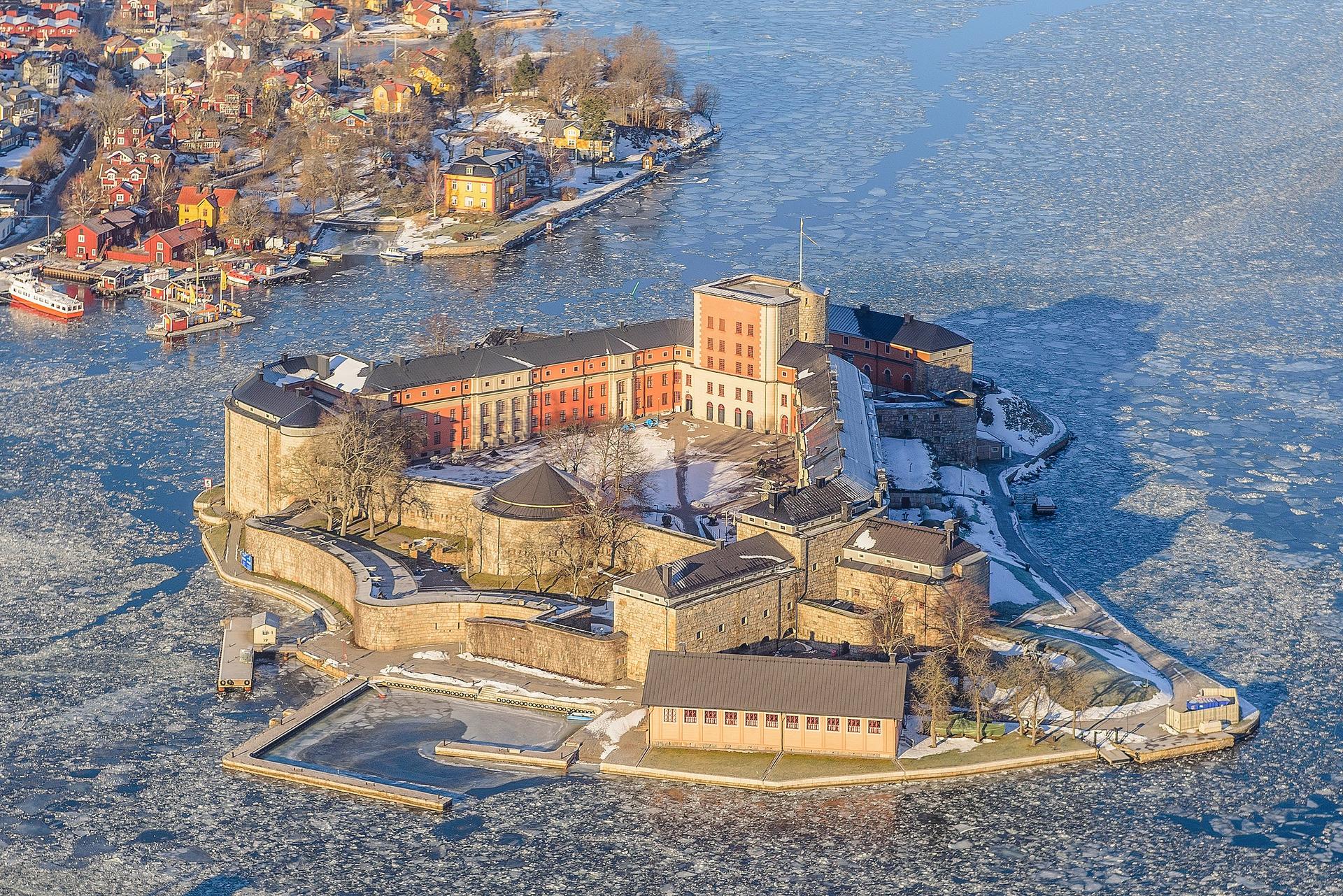
Looking beyond Brunkebergstorg? Discover Stockholm Archipelago for broader travel guides, local hot-spots, and regional highlights.
Explore Stockholm Archipelago