
Korshamn, Stockholm Archipelago Travel Guide
An intimate Stockholm-archipelago reserve where giant glacial potholes and wind-shaped pines meet the open sea.
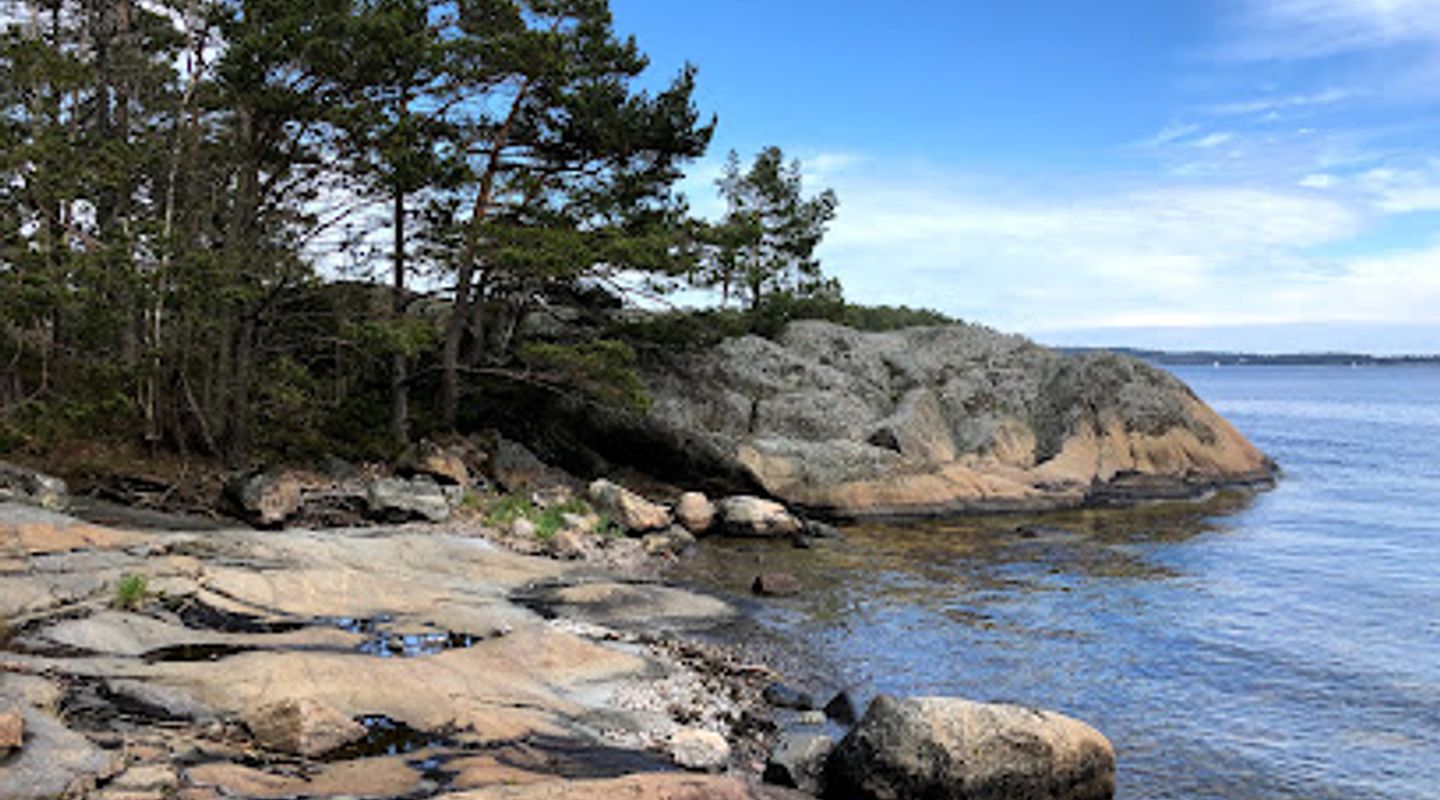
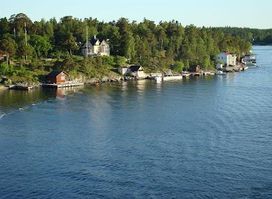
A compact, windswept reserve on the northern tip of Malmaön in Värmdö, Korshamn protects dramatic glacial potholes carved into the granite shoreline and a stand of mixed pine and spruce woodland. At just over a hectare the site is intimate but geologically rich: the largest pothole is about six metres across, and several smaller hollows and shoreline formations trace the action of meltwater torrents at the end of the last Ice Age. Sturdy rock, coastal pines and salt-lashed air give the place a timeless, elemental feel.
A brief summary to Korshamn
- Unnamed Road, Värmdö, 139 60, SE
- Click to display
- Duration: 0.5 to 2 hours
- Free
-
 Outdoor
- Mobile reception: 3 out of 5

Know before you go
Hi, I'm Eve. Here are a few practical things to know before exploring Korshamn.
- Wear shoes with good grip; exposed granite and sea-splashed rock can be slippery, especially after rain or tide surge.
- Stay on durable ground and avoid climbing into or chipping the glacial potholes — the formations are protected and fragile.
- Bring binoculars for seabirds and a small field guide for lichens if you enjoy natural-history details.
- Respect the reserve’s rules: no fires, no removal of wood or stones, and keep dogs under control during nesting season.
Do you manage this location?
Take control to get all the benefits, like improved information, better appearance, and stronger visibility across AI-powered discovery. Learn more about listing your business on Evendo
Activate your presenceOther nearby places you may find interesting
The closest places of the same kind, if this one is not quite what you had in mind.
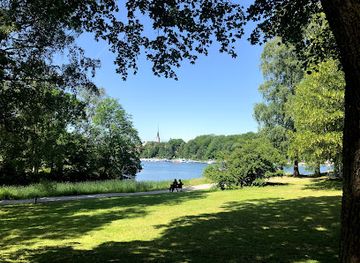
Explore Korshamn on the Map
A handpicked selection of must-see spots near Korshamn, mapped for you.
Getting There
-
Drive + short walk
Private car to the Malma parking area followed by a footpath approach: typical drive time from central Värmdö towns 15–30 minutes, from central Stockholm around 45–70 minutes depending on traffic; parking is limited and seasonal crowds may fill spaces, so allow extra time. No paid tolls; parking is on unsurfaced ground and can be muddy after rain; final approach requires a firm, unpaved 1–3 km walk over natural trail (uneven terrain).
-
Bus + hike
Regional bus service to Malma Kvarn bus stop then a walk: bus travel time from Stockholm Slussen area typically 50–80 minutes depending on service and time of day; the walking portion from the nearest stop is approximately 3–4 km on mixed forest path and minor country roads, taking about 40–70 minutes on foot. Services run at limited frequency outside peak commuting hours; plan connections and bring water for the walk.
-
Bike + trail
Cycle to Malma and lock at the designated parking area, then continue on foot for the final, protected section: cycling times from nearby villages commonly 15–40 minutes; terrain includes rural roads and a nature trail that is uneven and may be unsuitable for road bikes. Secure your bicycle at the parking area before entering the reserve; some stretches are sandy or rooty and not suitable for all riders.
For the on-the-go comforts that matter to you
-
 Information Boards
-
 Seating Areas
-
 Trash Bins
Discover more about Korshamn
Where the ice still left its mark
Korshamn sits at the exposed northern point of Malmaön, a small promontory in the Stockholm archipelago whose bedrock bears clear evidence of the last deglaciation. Melting ice sent powerful whirlpools of sand, gravel and stones across the bedrock; those vortices ground and hollowed the granite to produce the site’s most striking features — a cluster of jättetrutar (glacial potholes), the largest of which reaches roughly six metres in diameter. These rounded hollows, some set back among trees and some perched at the waterline, are both scientific curiosities and starkly beautiful landscape elements.A small reserve with layered habitats
Although the protected area covers only about 1.3 hectares, Korshamn combines exposed coastal rock, narrow strips of beach and a compact stand of pine and spruce forest. The trees are wind-formed and salt-pruned close to the shoreline; farther inland the woodland acquires a slightly denser, lichen-flecked character. Dead wood is present and contributes to local biodiversity, and the understory supports typical archipelago plants adapted to thin soils and salt spray. The reserve’s scale means contrasts are immediate: in a short loop you move from bright, wind-scoured stone to shaded trunks and back to open sea air.What to notice: rock, texture and sound
Korshamn rewards close observation. The glacial potholes show smooth, bowl-like walls and differing diameters where pebbles once spun; some contain small pools at high tide, reflecting sky and lichen. The granite surfaces are patterned by pockets of orange and grey lichen and streaks from rain and salt spray. Sound is an important component of the place: wind over the water, the tentative creak of pine needles and the distant, intermittent call of seabirds combine into a pared-back coastal soundscape.Human traces and conservation history
The reserve was set aside in the early 1960s to protect its geological formations and the immediate natural environment. The area beyond Korshamn has seen intermittent human use — shoreline cottages and maritime traffic in the wider archipelago — but the reserve itself remains intentionally small and lightly managed so its rock features and woodland can persist undisturbed. Management focuses on preserving the fixed natural objects and forbidding actions that would damage rock faces, trees or nesting birds.Seasonal character and wildlife hints
Korshamn’s appearance shifts with the seasons. In spring the light is cool and keen, with migrating birds visible offshore; summer brings warmer hues on exposed rock and the scent of pine resin; autumn deepens needle colour and sharpens contrasts; and winter turns the reserve austere, with ice and snow accentuating hollows in the stone. Birdlife is typical of sheltered archipelago shores — passerines and gulls — while small invertebrates, lichens and mosses colonise microhabitats on the granite.How the site feels underfoot
Expect a compact, tactile landscape: polished rock that can be slippery when wet, scattered coarse sand and patches of moss and lichen beneath trees. The reserve invites slow walking and pauses for close inspection rather than long hikes; the scale makes every geological detail accessible and encourages visitors to think in terms of deep time — the energy of glacial meltwater frozen into stone forms that have survived for millennia.












Your all‑in‑one travel companion app
Explore expert travel guides, compare and book tours, experiences, hotels, and more—all from the palm of your hand. Download now for seamless trip planning wherever your wanderlust takes you.


Explore More of Stockholm Archipelago
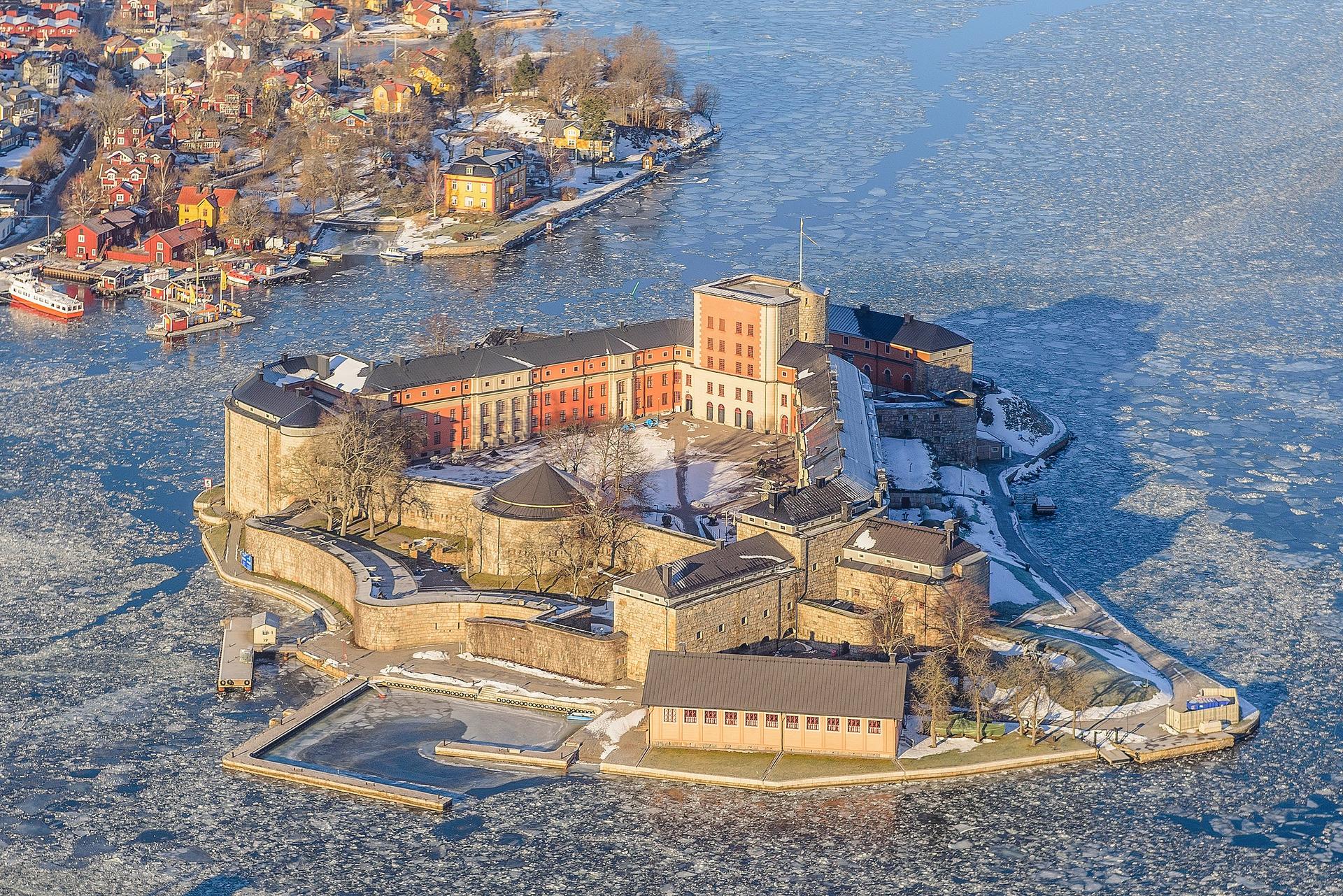
Looking beyond Korshamn? Discover Stockholm Archipelago for broader travel guides, local hot-spots, and regional highlights.
Explore Stockholm Archipelago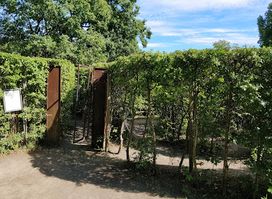
A compact, clipped-hedge labyrinth tucked into Rosendals Trädgård — a short, sensory pause of green geometry on Djurgården.
Discover 30,000 islands of pristine Baltic wilderness, from fortress-crowned Vaxholm to the epic Archipelago Trail—Sweden's ultimate nature escape.
