Siarö Fort, Stockholm Archipelago Travel Guide
A compact, rock-cut coastal fortress turned museum, inn and harbour — rugged military history softened by pine-scented sea air and swimming coves.
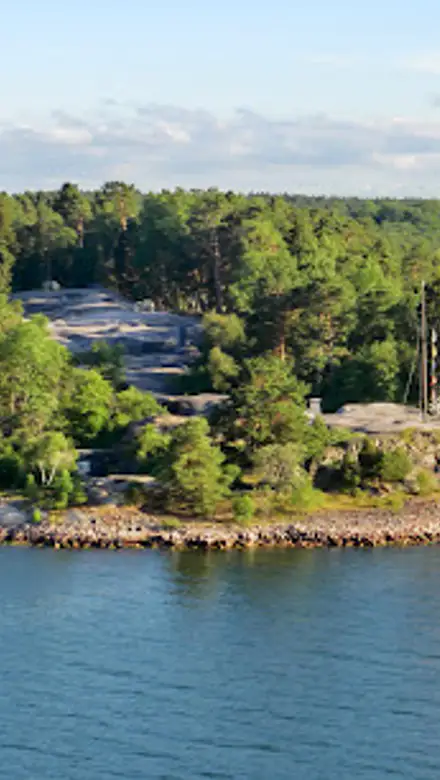
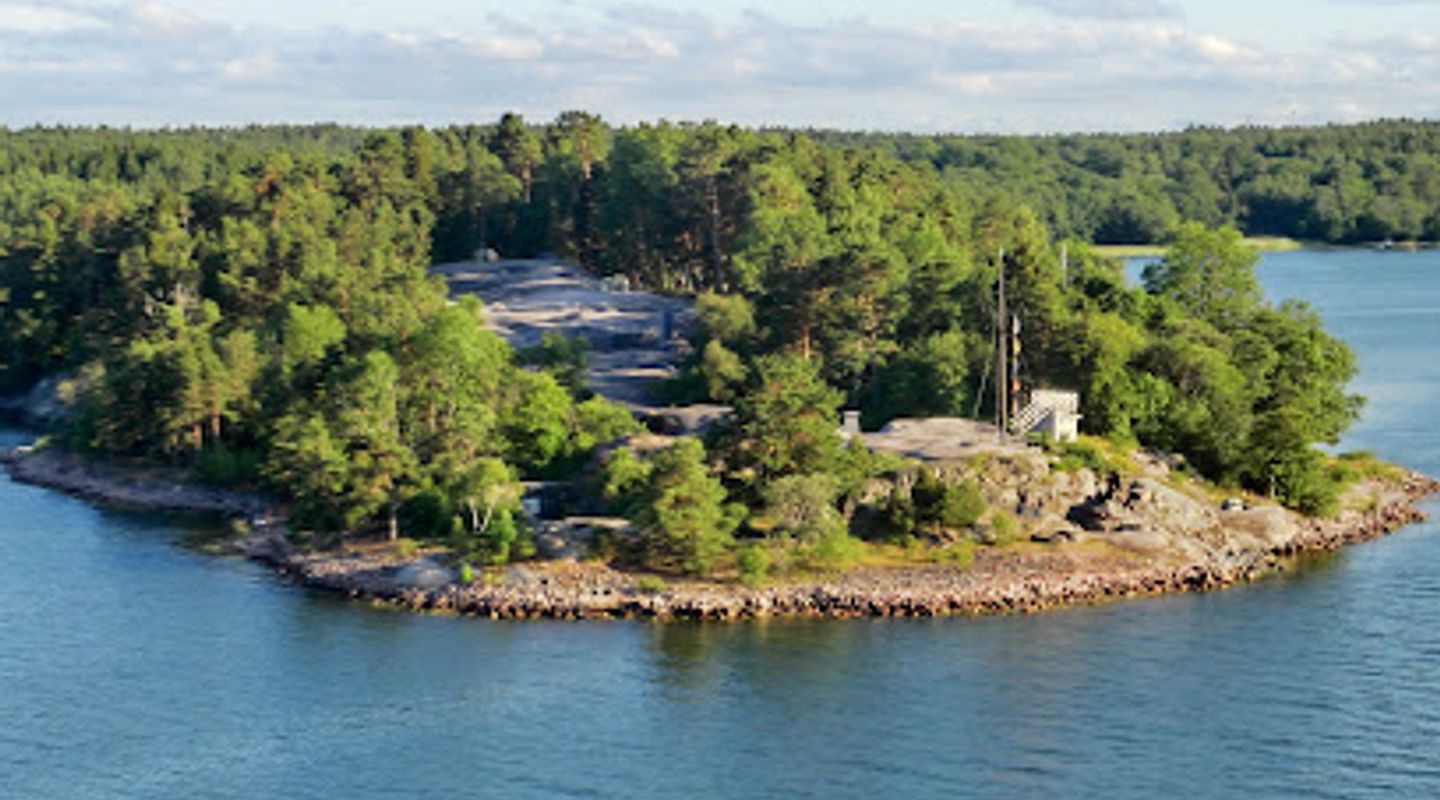
Siarö Fort is a compact, early 20th-century coastal fortress built into the granite of Kyrkogårdsön in Stockholm’s archipelago, now restored and open as a museum, guesthouse and seaside restaurant. The site blends military history, rugged shoreline for swimming, a guest harbour and simple lodging in rooms that face pine-clad rock and sea. Seasonal opening and boat-access characterise the experience.
A brief summary to Siarö Fort
- Kyrkogårdsön, Ljusterö, 184 95, SE
- Click to display
- Click to display
- Duration: 0.5 to 4 hours
- Mid ranged
-
 Mixed
Mixed
- Mobile reception: 3 out of 5

Know before you go
Hi, I'm Eve. Here are a few practical things to know before exploring Siarö Fort.
- Bring weatherproof layers and sturdy shoes for uneven rock paths; surfaces can be slippery after rain.
- If arriving by private boat use the guest harbour; overnight moorings are limited so reserve in season where possible.
- Visit early in the day for quieter exploration of exhibition rooms and best light on the cliffs for photos.
- Check seasonal opening dates before planning; the fort operates with a summer-focused schedule and some facilities close outside peak months.
Do you manage this location?
Take control to get all the benefits, like improved information, better appearance, and stronger visibility across AI-powered discovery. Learn more about listing your business on Evendo
Activate your presenceOther nearby places you may find interesting
The closest places of the same kind, if this one is not quite what you had in mind.
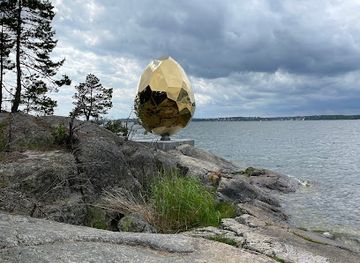
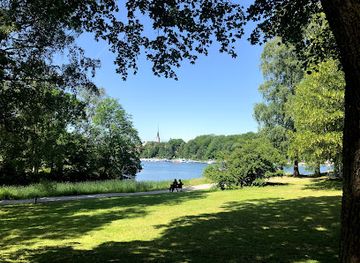
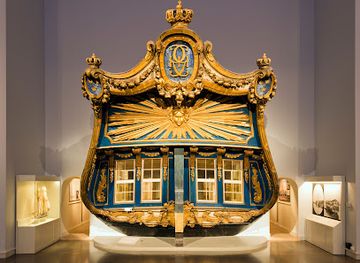
Explore Siarö Fort on the Map
A handpicked selection of must-see spots near Siarö Fort, mapped for you.
Unlock the Best of Siarö Fort
Buy tickets
-
No tickets available
Book tours with entry

Book tours without entry
-
No tours available
Getting There
-
Scheduled passenger ferry / archipelago boat
Regular archipelago ferry services connect nearby islands and mainland points during the warmer months; typical travel times from Vaxholm or central embarkation points are about 30–60 minutes depending on route and service; timetables and seasonal frequency vary so check the provider’s schedule; single-journey fares are generally between 120–240 SEK per person depending on distance and ticket type.
-
Private boat
Visitors with private boats can use the site’s guest harbour and day-berths; approach times depend on departure point but expect 20–90 minutes from nearby marinas; overnight moorings are limited in high season and a fee is charged (typically modest, paid on-site or via booking); navigate local waters carefully — rock shallows and narrow channels require attention.
-
Organised charter or shuttle from local ferry terminals
Some operators and the site itself run booked shuttle transfers from regional ferry terminals during peak season; travel times are commonly 10–30 minutes from the nearest terminal; bookings are required in advance; prices vary by operator but typically range from 200–600 SEK per person for return shuttles depending on group size and pickup point.
For the on-the-go comforts that matter to you
-
 Restrooms
-
 Drink Options
-
 Food Options
-
 Seating Areas
-
 Sheltered Areas
-
 Trash Bins
-
 Information Boards
-
 Visitor Center
Discover more about Siarö Fort
Origins carved in granite
Siarö Fort began life as a coastal defence installation in the early 1900s, excavated and set into the island’s granite to guard the furrowed waterways of the archipelago. Concrete casemates, gun positions and subterranean passages were integrated with the existing rock, leaving an austere ensemble of military engineering tucked into the shoreline. The arrangement reflects period thinking about concealment and layered defence — structures that are compact and deliberately low to the horizon, visible only at close range.The fort’s living rooms: museum, inn and harbour
Today the fort’s spaces are repurposed for peaceful uses: a museum occupies rescued chambers and exhibits trace the fort’s construction and role; a small guesthouse offers modest rooms and communal spaces; and a working guest harbour and day-jetty welcome private boats. The built fabric is a mix of exposed concrete, rough stone and weathered metal doors; inside, displays, signage and preserved fittings sit alongside comfortable dining rooms and simple guest accommodation that foregrounds sea views and pine-scented evenings.Landscape and shoreline character
Kyrkogårdsön is small and rocky, with abrupt cliffs, sheltered coves and shallow beaches that invite short swims and cliff jumps on warm days. The island’s vegetation is classically archipelagic: windswept pines, low juniper and patches of heather and lichen-scarred rock. Paths are informal; the mood is one of compact coastal wilderness framed by the low-slung forms of the fort. Light at dawn and dusk picks out the same horizontal lines that informed the original military silhouettes, but now softens them into places for lingering rather than lookout.What you’ll encounter on site
Explore narrow galleries and exhibition rooms where original fittings, photographs and interpretation panels explain construction techniques and the fort’s role in regional defence. The restaurant and café serve archipelago-style food, often emphasising local seafood and seasonal produce, while the guest harbour and bathing spots make the location popular for boat-based day visits and short stays. Facilities are modest but practical: a reception, dining area, sauna at times, and harbourside moorings for visiting vessels.Atmosphere and seasonal rhythm
The site moves with the seasons. Summer brings open doors, staffed reception and mealtime service; shoulder seasons may see reduced services and quieter compound spaces. Weather shapes the experience strongly: bright, windless days turn the sea into a sheet of glass against distant islets; cool, blustery days emphasise the fort’s sheltering qualities. The place reads as both a preserved military artifact and a working archipelago retreat — austere architecture softened by salt air and maritime activity.Heritage value and visitor perspective
Siarö Fort is a concise example of coastal fortification adapted for contemporary use. Its value lies in the integrity of its physical form, the contrast of human-made concrete against raw rock, and the layering of uses — interpretive museum rooms, hospitality, and marine services — that allow the site to function as both an educational resource and a low-key seaside refuge. For visitors, the combination of subterranean history, waterside calm and simple comforts makes the island distinct within the Stockholm archipelago.












Your all‑in‑one travel companion app
Explore expert travel guides, compare and book tours, experiences, hotels, and more—all from the palm of your hand. Download now for seamless trip planning wherever your wanderlust takes you.


Explore More of Stockholm Archipelago
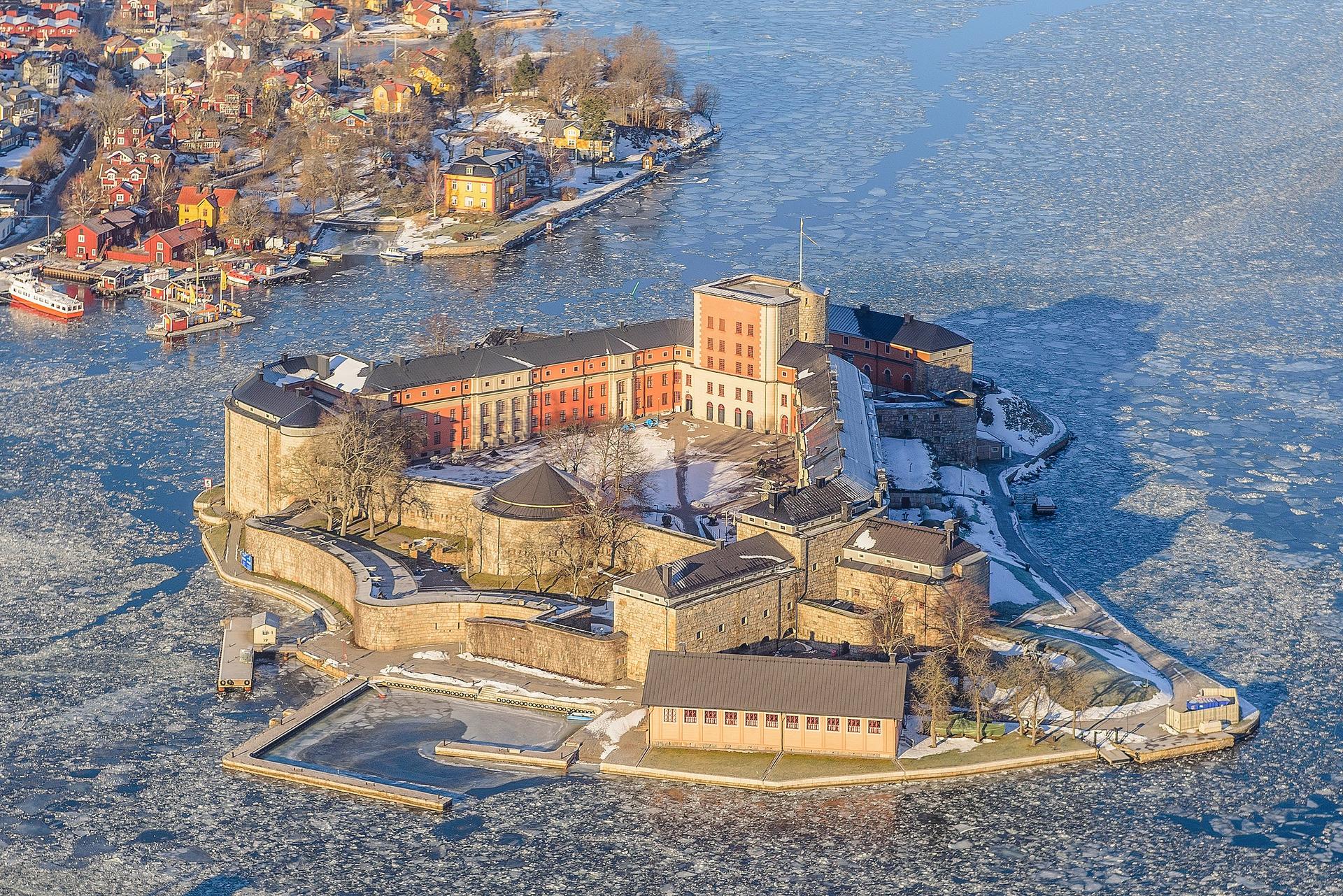
Looking beyond Siarö Fort? Discover Stockholm Archipelago for broader travel guides, local hot-spots, and regional highlights.
Explore Stockholm Archipelago
Discover 170 years of Swedish porcelain mastery at Gustavsberg's harbor museum, home to 45,000+ objects from iconic factory designs to rare prototypes.

A late‑18th‑century manor set on parkland by the Stockholm archipelago, combining historic rooms, mature trees and calm coastal panoramas.