
Skansen, Stockholm Archipelago Travel Guide
Step into Sweden's living history at the world's first open-air museum, where 150+ relocated buildings, Nordic wildlife, and vibrant traditions unfold across a scenic island park.
Skansen, the world's oldest open-air museum founded in 1891, transports visitors to Sweden's past with over 150 historic buildings relocated from across the country. Wander through farmsteads, manor houses, and workshops where costumed interpreters demonstrate traditional crafts. Nordic wildlife roams enclosures, while gardens and the Baltic Sea Science Center add natural wonder. Seasonal events like Christmas markets and Midsummer dances bring Swedish traditions alive in this expansive island park.
A brief summary to Skansen
- Djurgårdsslätten 49-51, Stockholm, 115 21, SE
- Click to display
- Click to display
- Duration: 2 to 5 hours
- Mid ranged
-
 Outdoor
- Mobile reception: 5 out of 5
- Monday 10 am-6 pm
- Tuesday 10 am-6 pm
- Wednesday 10 am-6 pm
- Thursday 10 am-6 pm
- Friday 10 am-6 pm
- Saturday 10 am-6 pm
- Sunday 10 am-6 pm

Know before you go
Hi, I'm Eve. Here are a few practical things to know before exploring Skansen.
- Book tickets online for the lowest prices; children 0-15 enter free but require advance digital tickets.
- Visit during weekdays or shoulder seasons to avoid peak crowds and enjoy quieter interactions with interpreters.
- Wear comfortable shoes for the hilly terrain; the funicular helps but much of the park involves walking.
- Time your visit for animal talks or craft demos, typically held daily at scheduled intervals.
- Cashless site—use cards for shops, cafes, and most market stalls.
Do you manage this location?
Take control to get all the benefits, like improved information, better appearance, and stronger visibility across AI-powered discovery. Learn more about listing your business on Evendo
Activate your presenceOther nearby places you may find interesting
The closest places of the same kind, if this one is not quite what you had in mind.
Explore Skansen on the Map
A handpicked selection of must-see spots near Skansen, mapped for you.
Unlock the Best of Skansen
Buy tickets
-
No tickets available
Book tours with entry


Getting There
-
Tram
Take tram 7 from central Stockholm stations like T-Centralen to Skansen stop, 15-20 minutes, frequent service every 10 minutes, single ticket 40 SEK.
-
Bus
Bus 44 from Karlaplan or Strandvägen reaches Djurgården entrance in 10-15 minutes, runs every 15-20 minutes, 40 SEK fare, limited space for strollers.
-
Ferry
Djurgården ferry from Nybrokajen or Slussen operates seasonally May-September, 10-minute crossing, every 20-30 minutes, 50 SEK round-trip.
-
Walking
Pedestrian path from Strandvägen waterfront covers 2 km in 25-35 minutes along flat waterfront trails, fully accessible but exposed to weather.
For the on-the-go comforts that matter to you
-
 Restrooms
-
 Drink Options
-
 Food Options
-
 Seating Areas
-
 Sheltered Areas
-
 Picnic Areas
-
 Trash Bins
-
 Information Boards
-
 Visitor Center
Discover more about Skansen
Origins of a Living Museum
Skansen opened its gates in 1891, founded by Artur Hazelius as the world's first open-air museum. Hazelius aimed to preserve Sweden's rural heritage amid rapid industrialization, collecting buildings from farms, villages, and towns nationwide. Over 150 structures now stand here, meticulously relocated and restored to reflect life from the 14th to 19th centuries. Stroll past timber-framed cottages, windmills, and ironworks, each telling a story of regional diversity and bygone eras.Historic Buildings and Daily Life
Explore clusters of homes from Sweden's provinces, furnished with period artifacts like carved wooden furniture, spinning wheels, and clay pottery. In summer, artisans in traditional garb bake bread in open hearths, weave textiles, and blow glass, recreating the rhythms of pre-industrial society. Winter transforms the site with snow-dusted roofs and candlelit interiors, evoking cozy family gatherings around crackling fires. These vignettes offer an immersive glimpse into how Swedes lived, worked, and celebrated across centuries.Wildlife and Natural Wonders
Skansen's zoo houses Nordic species like moose, wolves, lynx, and brown bears in naturalistic habitats mimicking Swedish forests and mountains. Farm animals including heritage breeds of sheep, cows, and horses graze pastures, highlighting rural traditions. The Baltic Sea Science Center introduces marine life from nearby waters through interactive aquariums and touch pools, educating on conservation efforts for this vital ecosystem. Paths wind through manicured gardens blooming with native perennials and wildflowers.Traditions and Seasonal Magic
Skansen pulses with Sweden's cultural heartbeat through year-round festivities. Midsummer sees maypole dances and fiddlers; Walpurgis Night features bonfires and choral singing. Advent weekends host bustling Christmas markets with handmade crafts, gingerbread, and glögg mulled wine amid twinkling lights. New Year's Eve culminates in live music and midnight countdowns broadcast nationwide. These events, started by Hazelius, cement Skansen's role in shaping modern Swedish customs.Island Setting and Modern Touches
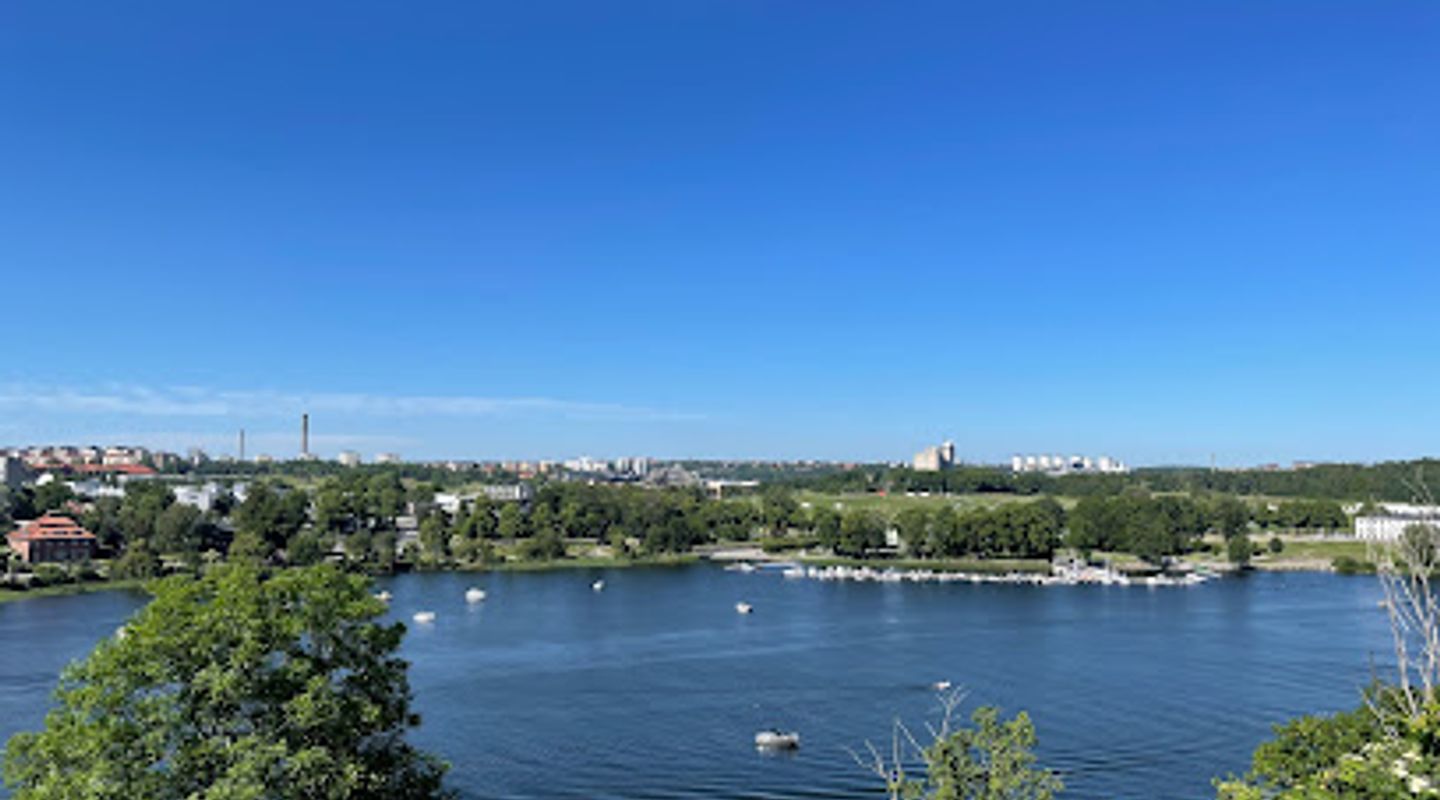
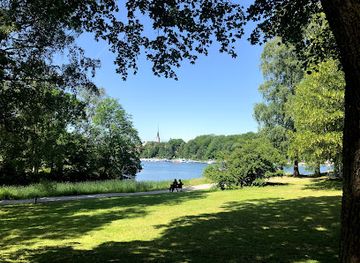
Perched on Djurgården island, Skansen spans 75 acres with sweeping views over Stockholm's waterways. A funicular railway ascends steep slopes, easing exploration of its hilly terrain. Contemporary additions like the science center blend seamlessly with historic cores, ensuring relevance for new generations. Whether picnicking amid orchards or attending folk dances at Solliden stage, the site fosters a profound connection to Sweden's enduring spirit.












Your all‑in‑one travel companion app
Explore expert travel guides, compare and book tours, experiences, hotels, and more—all from the palm of your hand. Download now for seamless trip planning wherever your wanderlust takes you.


Explore More of Stockholm Archipelago
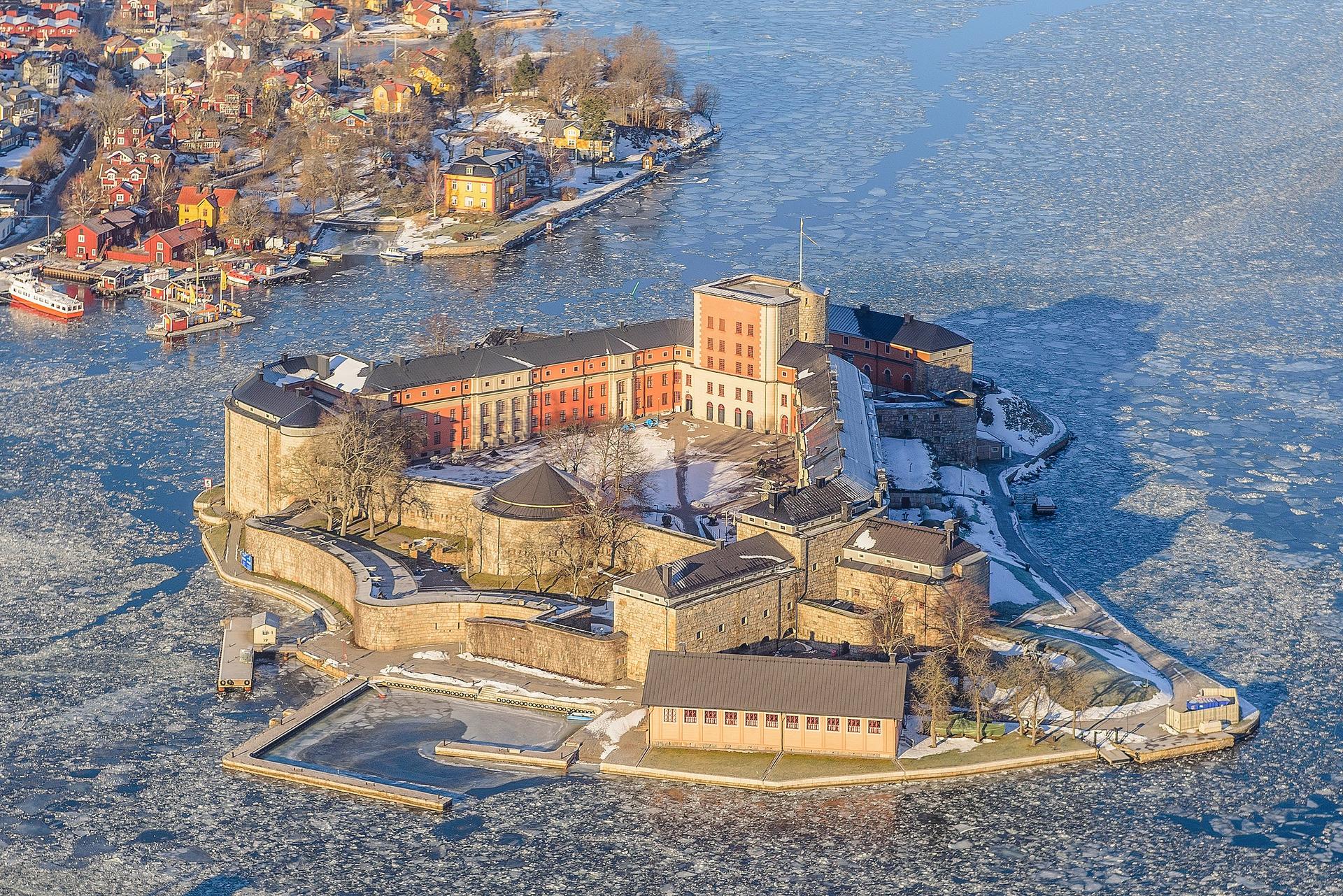
Looking beyond Skansen? Discover Stockholm Archipelago for broader travel guides, local hot-spots, and regional highlights.
Explore Stockholm Archipelago
A compact, atmospheric Forest Finn farmstead at Skansen — hand-hewn logs, thatch roofs and a smoke sauna that bring frontier domestic life to the present.

A compact cluster of timber houses from Dalarna recreated at Skansen — tactile rural craft, simple interiors and the feel of 19th‑century farm life.
