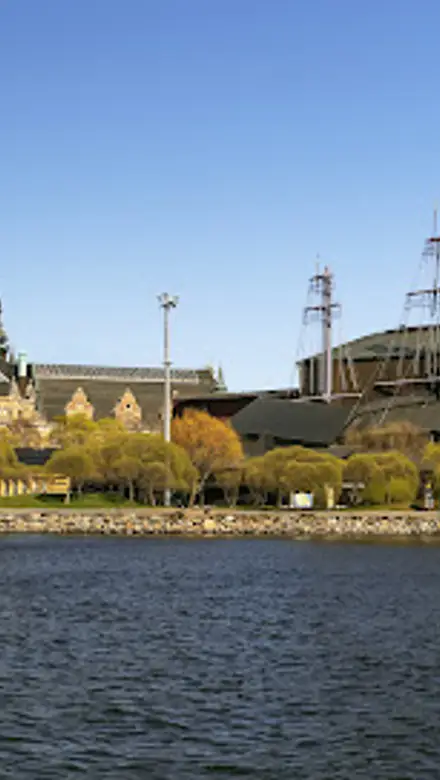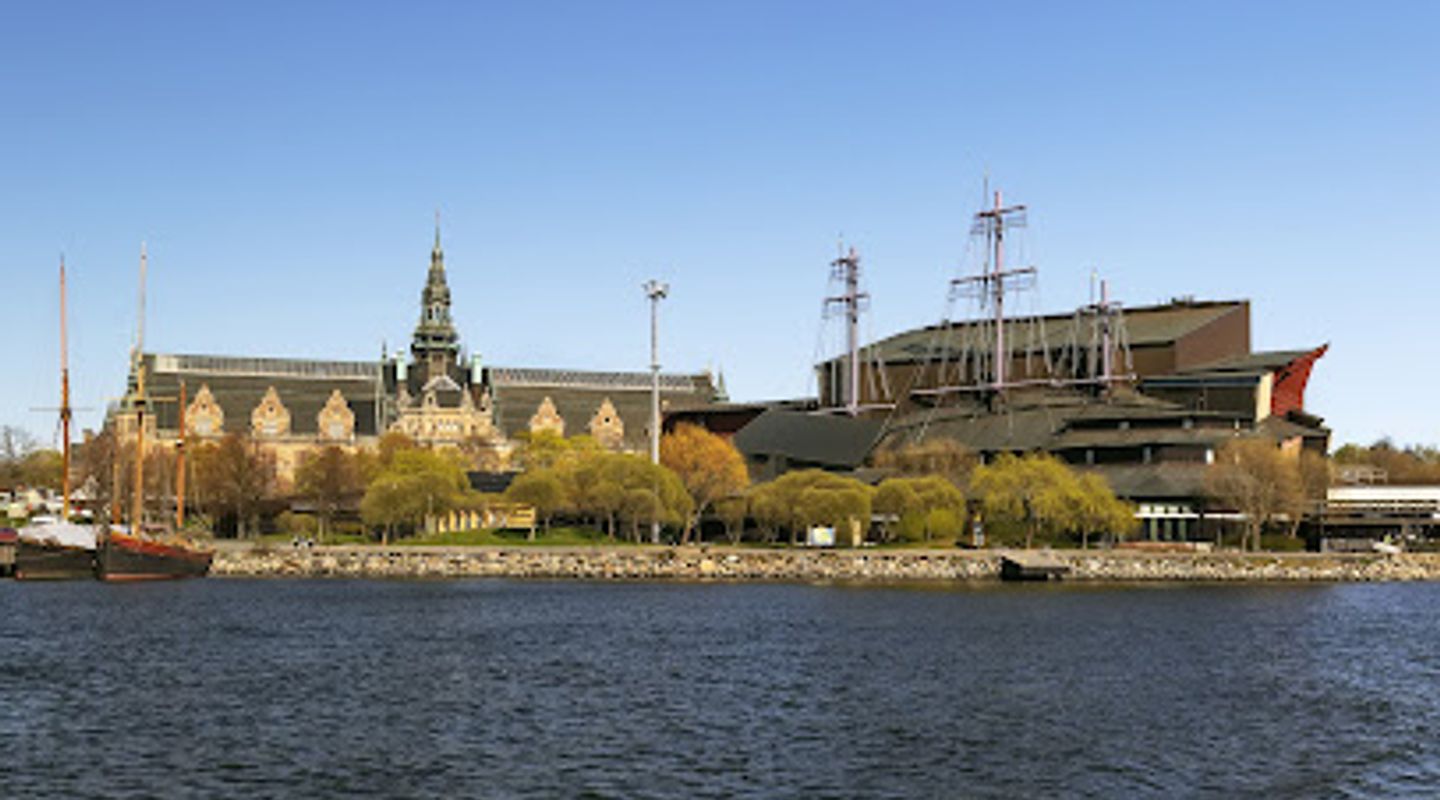
Vasa Museum, Stockholm Archipelago Travel Guide
Home to Vasa — a 17th-century warship salvaged from the seabed, displayed in a purpose-built hall that combines spectacle, archaeology and conservation.
The Vasa Museum on Djurgården houses the 17th-century warship Vasa — the world’s only almost fully preserved ship from the early 1600s — set inside a purpose-built hall with multi-level viewing galleries, contextual exhibitions and conserved artefacts from the wreck and salvage. The site blends maritime archaeology, ornate Baroque carvings and conservation science for an immersive museum experience in central Stockholm.
A brief summary to Vasa Museum
- Galärvarvsvägen 14, Stockholm, 115 21, SE
- Click to display
- Click to display
- Duration: 1 to 2.5 hours
- Mid ranged
-
 Indoor
- Mobile reception: 4 out of 5
- Monday 10 am-5 pm
- Tuesday 10 am-5 pm
- Wednesday 10 am-8 pm
- Thursday 10 am-5 pm
- Friday 10 am-5 pm
- Saturday 10 am-5 pm
- Sunday 10 am-5 pm

Know before you go
Hi, I'm Eve. Here are a few practical things to know before exploring Vasa Museum.
- Allow at least 1.5–2 hours to see the ship and the main exhibitions; shorter visits rush the galleries and conservation displays.
- Audio guides and short films provide useful background; check exhibit labels for dates and conservation notes to deepen the visit.
- Visit upper viewing levels for the best overall perspective of the hull and lower levels to inspect carvings and recovered artefacts closely.
Do you manage this location?
Take control to get all the benefits, like improved information, better appearance, and stronger visibility across AI-powered discovery. Learn more about listing your business on Evendo
Activate your presenceOther nearby places you may find interesting
The closest places of the same kind, if this one is not quite what you had in mind.
Explore Vasa Museum on the Map
A handpicked selection of must-see spots near Vasa Museum, mapped for you.
Unlock the Best of Vasa Museum
Book tours with entry


Getting There
-
Public ferry and tram
Take the Djurgården ferry or the Djurgården tram from central Stockholm; typical travel time from central terminals is 10–25 minutes depending on departure point and service frequency. Ferries operate frequently in daytime hours with variable seasonal schedules; tram services run regularly but may be busier in summer. Tickets are paid with local public-transport cards or apps; expect fares in the range of SEK 40–70 per adult for single journeys depending on ticket type.
-
Bus
Use city bus routes serving Djurgården with a journey time typically 15–30 minutes from central Stockholm terminals, subject to traffic and seasonal congestion. Services run at regular intervals but can be less frequent in early morning or late evening; single-ride fares are aligned with local public-transport pricing (approximately SEK 40–70 per adult).
-
Taxi or rideshare
A taxi or rideshare from central Stockholm takes about 10–20 minutes depending on traffic; note higher fares during peak hours and major events. Expect a typical fare range of SEK 120–300 for the trip; accessibility varies by vehicle — request a wheelchair‑accessible vehicle if required.
-
Cycling and walking
From nearby waterfront promenades and Djurgården parks, walking is feasible as a pleasant 20–45 minute urban stroll over flat to gently undulating paths; cycling takes 8–20 minutes depending on start point. Paths are shared with park users, and surfaces vary from paved promenades to compacted gravel, so allow extra time for a relaxed pace and for busy summer conditions.
For the on-the-go comforts that matter to you
-
 Restrooms
-
 Drink Options
-
 Food Options
-
 Seating Areas
-
 Information Boards
-
 Visitor Center
Discover more about Vasa Museum
What you are looking at
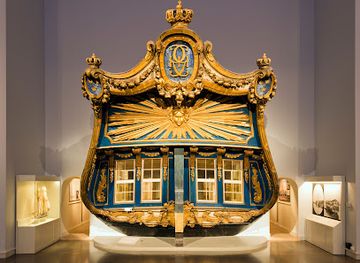
The Vasa is a towering, three-masted Swedish warship that sank on her maiden voyage in 1628 and was recovered largely intact in the 20th century. Encased within a purpose-built museum shell, the hull fills the central hall so that you can walk around and above it on multiple viewing levels; the ship’s richly carved stern and ornate figurework are preserved as tangible testimony to 17th-century royal ambition and shipbuilding craft.How the museum is organised
The museum surrounds the ship with thematic galleries that place the Vasa in context: panels, dioramas and displays explain naval tactics, the social life of sailors, artefacts retrieved from the wreck and the painstaking conservation techniques used to stabilise centuries of seawater damage. Documentary film and short guided segments are woven into the route to help visitors situate the vessel in Sweden’s imperial era and global trade networks of the time.The conservation story and sensory details
Conservation is central here: the museum’s climate management, timber treatments and visible workshop areas illustrate long-term preservation work. Inside the hall the air feels controlled and slightly cool; wood, tar and aged rope scents are suggested even if muted by museum climate systems. Lighting is arranged to reveal the ship’s silhouette and carvings while protecting fragile surfaces, so shadows fall across planks and ornamentation, amplifying the ship’s scale and the sense of time held within the timber.Objects, human stories and archaeology
Surrounding exhibitions display everyday objects salvaged from the wreck — clothing fragments, tools, coins and personal items — which reconnect the vessel to the lives of the people aboard. Mannequins, reconstructions and explanatory panels describe crew ranks, diet and the hazards of 17th-century seafaring; these details turn the ship into a lived environment rather than a static relic.Architectural and island setting
The museum’s architecture is deliberately simple outside and expansive inside, giving the ship room to breathe. Located on the island of Djurgården, the building sits near parks and other cultural institutions; from the galleries you sometimes glimpse verdant treetops and harbour light through high windows, anchoring the ship within Stockholm’s maritime landscape and reminding you that the Vasa’s story belongs both to museum display and to the surrounding sea.What the experience emphasises
A visit is a blend of spectacle and study: the first impression is the ship’s scale and decorative detail, then attention shifts to the micro — conservation labels, tool marks and curated artefacts. The route is layered so you can move from panoramic views to close-up inspection. The museum also emphasises ongoing research, with rotating displays and workshop areas that demonstrate how the Vasa continues to teach conservators and historians about early modern shipbuilding and material culture.












Your all‑in‑one travel companion app
Explore expert travel guides, compare and book tours, experiences, hotels, and more—all from the palm of your hand. Download now for seamless trip planning wherever your wanderlust takes you.


Explore More of Stockholm Archipelago

Looking beyond Vasa Museum? Discover Stockholm Archipelago for broader travel guides, local hot-spots, and regional highlights.
Explore Stockholm Archipelago
A calm, century-old Stockholm kunsthalle on Djurgården combining Carl Bergsten’s 1916 architecture with contemporary gallery spaces and rotating exhibitions.
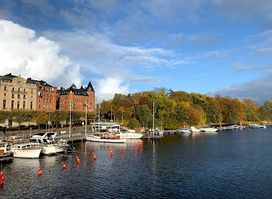
Dive into history at Stockholm's preserved WWII submarine escape tank—a compact harborside museum revealing the secrets of underwater survival training.