Royal Swedish Opera, Stockholm Travel Guide
Sweden’s national opera and ballet stage—historic gilding, royal rooms and a living repertory on Gustav Adolfs torg.
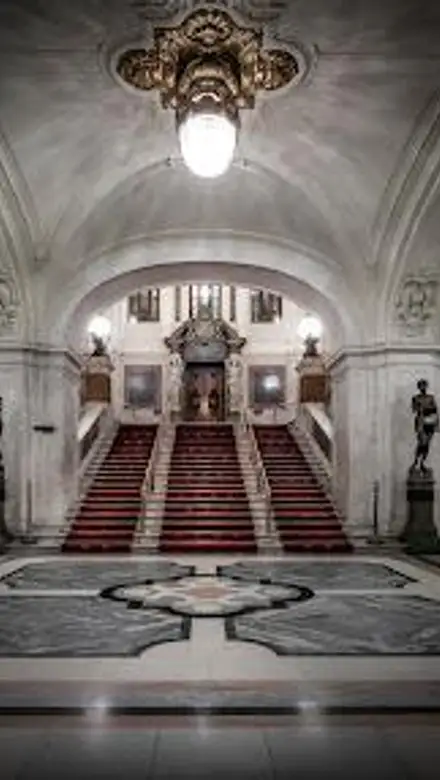
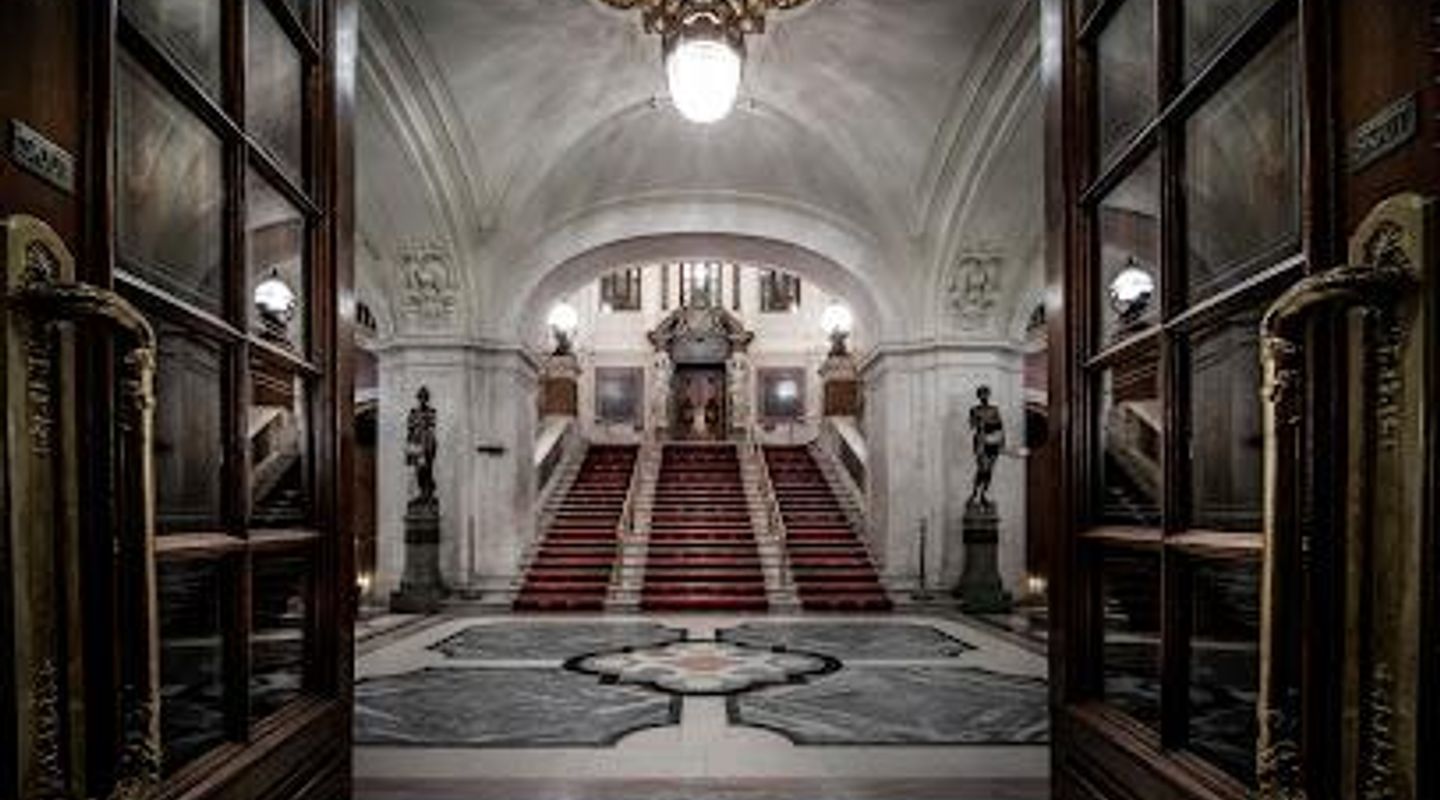
The Royal Swedish Opera, standing on Gustav Adolfs torg in central Stockholm, is Sweden’s national stage for opera and ballet, founded by King Gustav III in 1773 and housed in the current neo‑Renaissance/neo‑Baroque building opened in 1898. The grand auditorium, gilded foyers and royal rooms recall a long history of court ceremonies, premieres and state occasions while the company presents a year‑round programme of opera, ballet and youth projects in a historic yet living venue.
A brief summary to Royal Swedish Opera
- Gustav Adolfs torg 2, Stockholm, 111 52, SE
- Click to display
- Click to display
- Duration: 1 to 3 hours
- Mid ranged
-
 Indoor
- Mobile reception: 5 out of 5

Know before you go
Hi, I'm Eve. Here are a few practical things to know before exploring Royal Swedish Opera.
- Check the season programme in advance—matinees and lunchtime recitals in the Golden Foyer are shorter ways to experience the house.
- Arrive early to linger in the grand foyers and view the Royal Rooms when they are open to the public.
- If you’re interested in architecture or archives, inquire about guided tours and any temporary exhibitions in the lobby.
Do you manage this location?
Take control to get all the benefits, like improved information, better appearance, and stronger visibility across AI-powered discovery. Learn more about listing your business on Evendo
Activate your presenceOther nearby places you may find interesting
The closest places of the same kind, if this one is not quite what you had in mind.


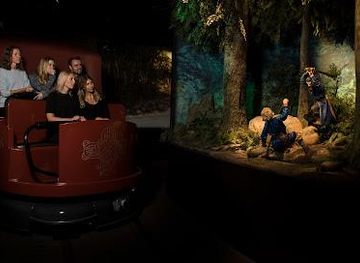
Explore Royal Swedish Opera on the Map
A handpicked selection of must-see spots near Royal Swedish Opera, mapped for you.
Unlock the Best of Royal Swedish Opera
Buy tickets
-
No tickets available
Book tours with entry


Getting There
-
Tram & Metro
Take the city tram or metro to the central Stockholm hub (typical trip 10–25 minutes from most central districts); services run frequently but may be less frequent late at night—single‑ride fares in Stockholm are charged per journey and typically cost around SEK 36–48 per adult depending on ticket type.
-
Taxi / Rideshare
Taxi or rideshare from central Stockholm locations typically takes 5–15 minutes depending on traffic; fares usually range from SEK 100–250 inside central zones and may be higher during peak hours or events—note variable waiting times and possible surcharge for large events.
-
Walking
A walk from nearby central locations such as the Old Town or the Royal Palace is commonly 10–25 minutes on paved city streets with flat terrain; the approach is straightforward but expect crowds on event nights and limited sheltered waiting spaces directly outside the building.
For the on-the-go comforts that matter to you
-
 Restrooms
-
 Drink Options
-
 Food Options
-
 Seating Areas
-
 Information Boards
Discover more about Royal Swedish Opera
Foundations of a national stage
The Royal Swedish Opera traces its institutional origins to King Gustav III’s initiative in the 1770s to create a domestic opera company and secure a theatrical home for Swedish and European repertoire. The company’s first performances in 1773 predate the later purpose‑built houses on this site, and the institution that grew from royal patronage eventually became the official national stage for both opera and ballet in Sweden.Architecture and the present building
The present Opera building, completed in the 1890s to designs by Axel Anderberg, replaced the earlier Gustavian theatre on the same plot and blends neo‑Renaissance façades with richly decorated interior volumes in a neo‑Baroque spirit. The exterior’s rhythm of columns and sculptural detail frames a grand staircase and a sequence of foyers; inside, gilded plasterwork, high ceilings and a horseshoe auditorium shape the theatrical experience and recall the turn‑of‑the‑century taste for monumental civic theatres.Royal rooms and ceremonial spaces
Set apart from the public circulation are the Royal Rooms and the historic royal box, a reminder of how the opera house functioned as a courtly stage as well as a civic theatre. These formal spaces—stately foyers, dedicated reception rooms and a specially appointed royal enclosure—reflect the building’s dual identity as both a national cultural institution and a setting for state occasions and official receptions.Programming, company and artistic life
The Royal Swedish Opera houses both an opera company and a ballet company, presenting a season that mixes canonical works, contemporary commissions and dance productions. Alongside mainstage programming there are often daytime concerts and educational activities aimed at young audiences; the company’s long archive and collections document centuries of productions, designs and personnel that have shaped Sweden’s performing‑arts heritage.Material history and conservation
Over its life the building has undergone several rounds of renovation and repair to preserve decorative surfaces, update stage technology and maintain acoustics and audience comfort. The rich material fabric—gilding, historic seating rhythms and original decorative schemes—requires ongoing conservation, and parts of the house, including the Golden Foyer, have been carefully restored to retain their late‑19th‑century character.Sense of place and visitor experience
Approaching from Gustav Adolfs torg you sense the Opera’s civic scale: a compact urban presence set near the palace and parliamentary buildings. Inside, the foyer’s hush and the auditorium’s warm tones combine visual theatre with acoustic intimacy; whether you’re drawn by ballet’s line or opera’s vocal drama, the house presents performances in a setting that bridges royal history with living artistic practice.












Your all‑in‑one travel companion app
Explore expert travel guides, compare and book tours, experiences, hotels, and more—all from the palm of your hand. Download now for seamless trip planning wherever your wanderlust takes you.


Explore More of Stockholm
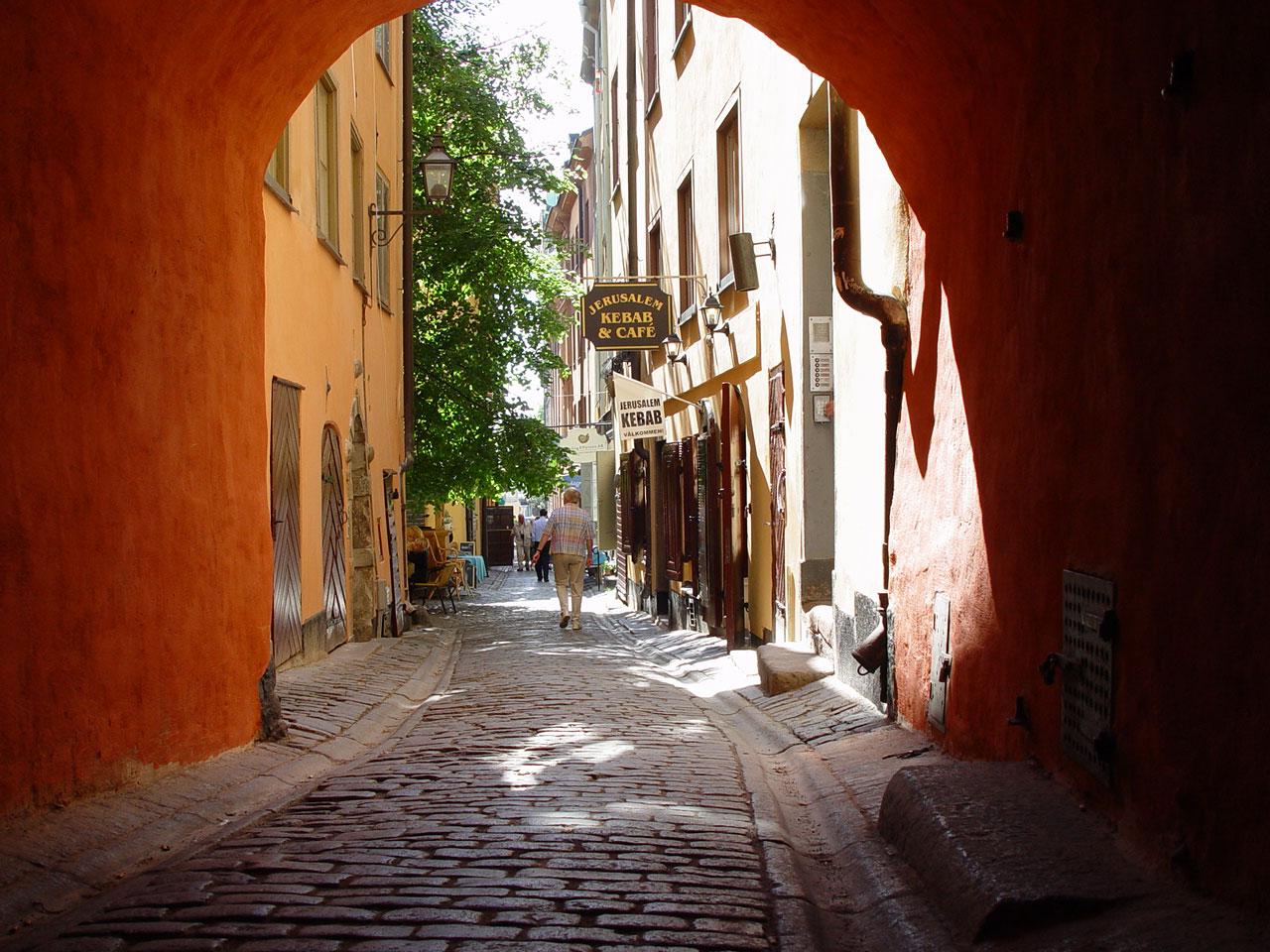
Looking beyond Royal Swedish Opera? Discover Stockholm for broader travel guides, local hot-spots, and regional highlights.
Explore Stockholm
Bronze tribute to Charles XI amid Gamla Stan's medieval charm, evoking Sweden's imperial triumphs and reforms near the Royal Palace.

An intimate, archaeology-led look at medieval Stockholm — objects, reconstructions and walks that bring the city’s buried past to life.