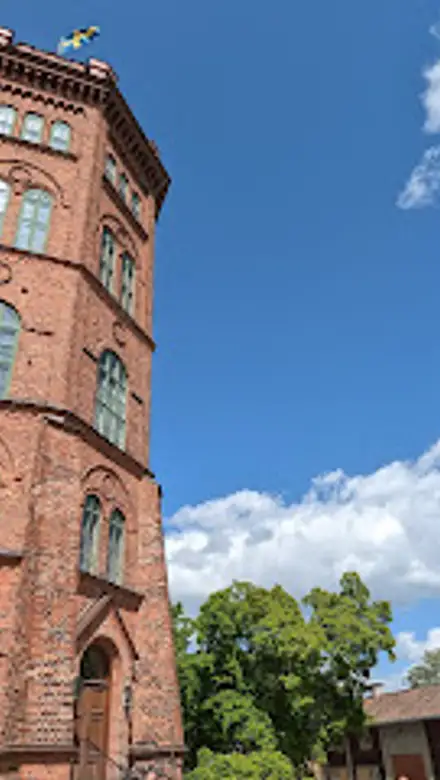
Skansen, Stockholm Travel Guide
Free Guide: The world’s oldest open‑air museum — living Swedish history, crafts and Nordic wildlife in one parkland setting overlooking Stockholm.


A brief summary of Skansen
The world’s oldest open‑air museum — living Swedish history, crafts and Nordic wildlife in one parkland setting overlooking Stockholm.
Skansen is the world’s oldest open‑air museum and a living slice of Sweden on Djurgården, combining historic buildings, folk craft demonstrations, Nordic wildlife enclosures and seasonal festivals across parkland that overlooks the city and harbour. Founded in 1891, Skansen spans centuries of rural and urban life in compact neighbourhoods, gardens and farmsteads—a cultural zoo where architecture and nature meet in one immersive experience.
On-site amenities
 Restrooms
 Drink options
 Food options
 Seating areas
 Trash bins
 Information boards
 Visitor centre
Opening hours
- Every day10 am–6 pm
Opening hours as listed on the venue’s Google Business Profile. Hours can change for services and special events, so check with the venue before you go.
- Address
- Djurgårdsslätten 49-51, 115 21 Stockholm
- Phone
- Website
Getting there
Tram and light‑rail
Bus from inner city
Ferry service (seasonal)
Taxi or rideshare
Discover more about Skansen
Origins and purpose of a national tapestry
Skansen was founded in 1891 as an ambitious cultural project to preserve Swedish vernacular buildings, crafts and seasonal traditions that were vanishing under industrialisation. The park was conceived as a living museum: entire farmhouses, cottages, tools and interiors moved or reconstructed to represent different regions and eras of Sweden. The result is not a tidy, chronological museum but a stitched landscape in which architecture, everyday objects and seasonal ritual form a continuous narrative about how Swedes lived, worked and celebrated from the 17th century through the 20th.
How the grounds are arranged and what you’ll encounter
The site unfolds across gentle slopes and gardens, with clusters of buildings arranged to evoke regional identities rather than a single timeline. You’ll move between timber farmsteads and town houses, passing workshops where traditional crafts such as smithing, weaving and baking are demonstrated. Interspersed are curated gardens, allotments and heritage-plantings that show historical cultivation methods. Small squares and churchyards anchor the scenes; each building contains period furnishings and interpretive displays that explain domestic life, work patterns and local costume.
Wildlife, the children’s zoo and the Baltic Sea exhibits
Skansen blends human history with nature: enclosures hold Nordic species and heritage farm animals, kept with attention to animal welfare and educational context. A children’s zoo offers close-up encounters with domesticated breeds while the Baltic Sea Science Center explores marine life and conservation in hands-on displays. The park’s mix of living animals and historical environments gives visitors layered perspectives on how people and nature have coexisted in the Nordic landscape.
Seasonal rhythms, festivals and living customs
Seasonality is woven into Skansen’s identity. The park stages traditional celebrations across the year—Midsummer maypoles and folk dancing, autumn harvest events, the autumnal craft demonstrations, and a much‑loved Christmas market where stalls, lights and period decorations create a historic festive atmosphere. Many houses and farmsteads alter their programmes with the seasons, offering specific demonstrations, songs and culinary traditions that mirror Sweden’s rural calendar.
Architectural highlights and craftsmanship
Skansen’s architectural collection spans modest peasant cottages to urban townhouses and functional outbuildings. Interiors preserve household objects, textiles and tools; workshops display techniques such as leatherwork, woodcarving and metalsmithing. The authenticity lies in the details: hand‑wrought nails, tiled stoves, painted panelling and patched textiles that reveal daily life. Craftspeople and interpreters—often volunteers or specialists—bring those details to life through demonstrations rather than static displays.
Ambience and visitor experience
The park feels both museum and public garden: pathways slope between sunlit squares and shaded lanes, viewpoints frame the city skyline and harbour, and green spaces invite picnics and pauses. Soundscapes vary with season—children’s laughter near the petting areas, the clack of looms and occasional music from folk groups. Skansen is structured for self‑paced exploration, with wayfinding and interpretive boards but plenty of quiet corners for reflection, sketching or photography.
Evendo Review Centre
 Google
Guest reviews
Best time to go
Quietest: Jan, Feb & Mar · before 8am or from 8pm
Busy times are Evendo estimates for a typical year, to help you plan. Actual crowds vary with events, school holidays and the weather.
Explore Skansen on the map
A handpicked selection of must-see spots near Skansen, mapped for you.
Get your free copy of our complete guide to Skansen, delivered straight to you.
Everything on this page, from opening hours and how to get there to Eve’s tips and the best time to go, in one PDF you can read offline, print or share.
Already have an account? Sign in
Your Skansen guide is ready.
We'll send it to · Not you? Sign out

Getting your guide ready…
We are putting together a fresh copy of the Skansen guide. This can take up to a minute.
This can take a few moments. If your browser asks, choose Allow so the download can start. You'll find the guide in your Downloads folder.
Nothing happened? Download it again
Sorry, the guide is taking longer than usual. Please try again in a minute, or get it by email instead.
Unlock the best of Skansen
Skip-the-line tickets, guided tours with entry, and walking tours of the area, booked in a few clicks.
 Tour with entry
Entrance Ticket to Skansen Open-Air Museum in Stockholm
from $24.12 Tour with entry
Stockholm Pass: Save up to 50% - Includes Vasa Museum
from $90.42 Tour with entry
Djurgården Walking Tour, Skansen and Vasa Museum Stockholm
from $320.33 Tour with entry
Vasa Museum & Skansen Stockholm Tour with Fast-Track Ticket
from $397.88



Other nearby places you may find interesting
The closest places of the same kind, if this one is not quite what you had in mind.
-
-
-
-
-


Swipe for more places
More to explore near Skansen

 Best experiences near Skansen
 Best hotels near Skansen
 Best landmarks near Skansen
 Best attractions near Skansen
 Best shops near Skansen
 Best restaurants near Skansen
 Best bars near Skansen
Do you manage this location?
Take control to get all the benefits, like improved information, better appearance, and stronger visibility across AI-powered discovery.
Explore more

Explore more of Stockholm
Discover Stockholm: A captivating blend of history, culture, and natural beauty spread across 14 picturesque islands in Sweden's stunning capital city.
Explore Stockholm
Explore more of Sweden
Discover Sweden's breathtaking landscapes, vibrant cities, and rich cultural heritage. From the Northern Lights to historic castles, experience the essence of Scandinavia.
Explore Sweden