

Brunkeberg Tunnel, Stockholm Travel Guide
Free Guide: Step into Stockholm's 1886 engineering marvel: a 231m glacial esker tunnel linking neighborhoods with echoes of royal openings and clever rock-splitting feats.


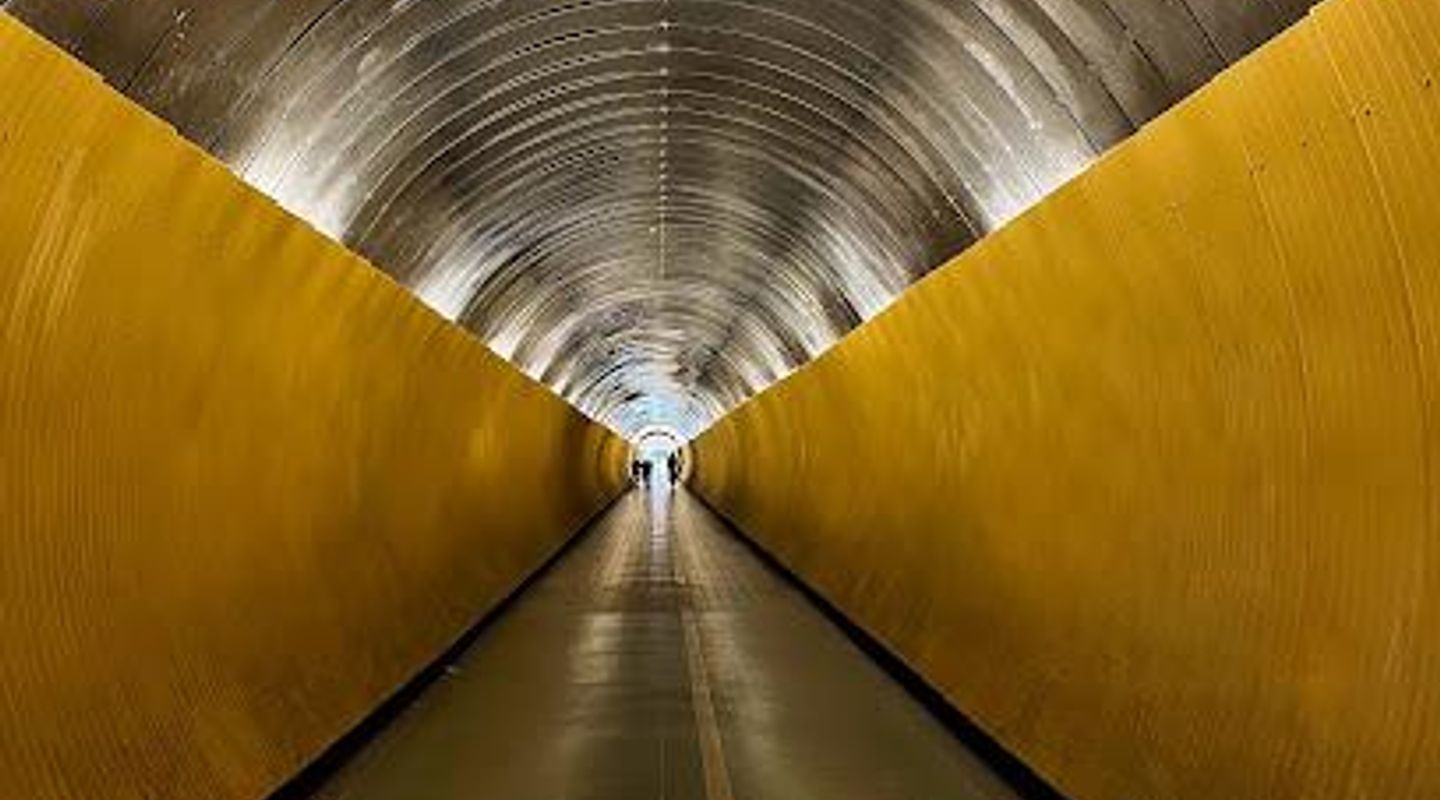
A brief summary of Brunkeberg Tunnel
Step into Stockholm's 1886 engineering marvel: a 231m glacial esker tunnel linking neighborhoods with echoes of royal openings and clever rock-splitting feats.
The Brunkeberg Tunnel is a historic 231-meter pedestrian and cyclist passageway carved through Stockholm's Brunkeberg Ridge, linking Norrmalm and Östermalm. Opened in 1886 by King Oscar II after overcoming major engineering hurdles like freezing unstable soil and splitting fractured rock, it offered a shortcut that locals initially shunned due to a two-öre toll. Now toll-free and open daily from 6am to 10pm, this utilitarian tunnel reveals the city's innovative past amid its modern bustle.
On-site amenities
 Drinking water
Opening hours
- Every day6 am–10 pm
Opening hours as listed on the venue’s Google Business Profile. Hours can change for services and special events, so check with the venue before you go.
- Address
- Brunkebergstunneln, 111 38 Stockholm
- Phone
- Website
Getting there
Subway
Walking
Bus
Bicycle
Discover more about Brunkeberg Tunnel
Engineering Triumph Over Ancient Geology
The Brunkeberg Tunnel slices through Brunkebergsåsen, an esker—a serpentine ridge of glacial gravel deposited during the Ice Age. This natural barrier has divided Norrmalm and Östermalm neighborhoods since Stockholm's founding, forcing detours along the waterfront or steep climbs. By the mid-19th century, as the city expanded, planners eyed a subterranean solution. The 1863 General Plan by Wallström and Rudberg first proposed it to ease traffic flow, marking a shift toward comprehensive urban infrastructure.Construction began in 1884 under engineer Knut Lindmark, confronting wildly different subsurface conditions. Eastward, waterlogged sand threatened collapse; workers imported an English freezing machine to chill the ground to -20°C, creating a solid wall for safe digging. Westward, fractured bedrock resisted blasting, so crews drilled holes, wedged in wood, and soaked them to swell and crack the stone precisely.
Royal Inauguration and Rocky Reception
King Oscar II cut the ribbon on June 9, 1886, ushering in a 231-meter passage measuring 4 meters wide and 3.9 meters high—built for horse carts but soon repurposed for feet and bikes. A two-öre toll greeted users, deemed steep by Stockholmers accustomed to free ridge scrambling. The private company bankrupted swiftly, prompting the city to buy and abolish fees, ensuring its survival.Ventilation shortages later barred cars, especially after 1911's Kungsgatan boulevard tunneled nearby. Periodic renovations have preserved its function, transforming a commercial flop into enduring civic utility.
Daily Pulse Beneath the City
Today, the tunnel hums with commuters dodging surface crowds, its bare rock walls echoing footsteps and bicycle whirs. Faded plaques nod to its origins, while modern lighting cuts the dimness. It embodies Stockholm's layered history: glacial forces, medieval growth, industrial ambition—all compressed into a cool, straightforward traverse.Positioned centrally, it shortcuts from David Bagares gata near Sveavägen to Tunnelgatan by Birger Jarlsgatan, integral to the pedestrian grid amid skyscrapers and shops.
Lasting Echoes of Innovation
Brunkeberg Tunnel stands as a quiet testament to 19th-century grit, where ingenuity tamed nature's obstacles. Its story mirrors Stockholm's evolution from rugged outpost to sleek metropolis, with the ridge's remnants shaping streets above. Free and reliable, it invites a moment's pause amid the rush, connecting not just districts but eras.
Evendo Review Centre
 Google
Guest reviews
Best time to go
Quietest: Jan, Feb & Mar · before 7am or from 9pm
Busy times are Evendo estimates for a typical year, to help you plan. Actual crowds vary with events, school holidays and the weather.
Explore Brunkeberg Tunnel on the map
A handpicked selection of must-see spots near Brunkeberg Tunnel, mapped for you.
Get your free copy of our complete guide to Brunkeberg Tunnel, delivered straight to you.
Everything on this page, from opening hours and how to get there to Eve’s tips and the best time to go, in one PDF you can read offline, print or share.
Already have an account? Sign in
Your Brunkeberg Tunnel guide is ready.
We'll send it to · Not you? Sign out

Getting your guide ready…
We are putting together a fresh copy of the Brunkeberg Tunnel guide. This can take up to a minute.
This can take a few moments. If your browser asks, choose Allow so the download can start. You'll find the guide in your Downloads folder.
Nothing happened? Download it again
Sorry, the guide is taking longer than usual. Please try again in a minute, or get it by email instead.
Other nearby places you may find interesting
The closest places of the same kind, if this one is not quite what you had in mind.
-
-
-
-
-


Swipe for more places
More to explore near Brunkeberg Tunnel

 Best experiences near Brunkeberg Tunnel
 Best hotels near Brunkeberg Tunnel
 Best landmarks near Brunkeberg Tunnel
 Best attractions near Brunkeberg Tunnel
 Best shops near Brunkeberg Tunnel
 Best restaurants near Brunkeberg Tunnel
 Best bars near Brunkeberg Tunnel
Do you manage this location?
Take control to get all the benefits, like improved information, better appearance, and stronger visibility across AI-powered discovery.
Explore more

Explore more of Stockholm
Discover Stockholm: A captivating blend of history, culture, and natural beauty spread across 14 picturesque islands in Sweden's stunning capital city.
Explore Stockholm
Explore more of Sweden
Discover Sweden's breathtaking landscapes, vibrant cities, and rich cultural heritage. From the Northern Lights to historic castles, experience the essence of Scandinavia.
Explore Sweden
