Riddarholmen, Stockholm Travel Guide
A compact, royal-packed islet beside Gamla Stan — cobbled courts, palaces and the medieval royal burial church on a photogenic Stockholm waterfront.
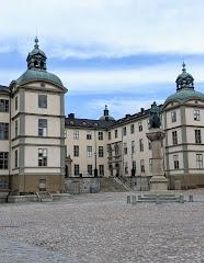
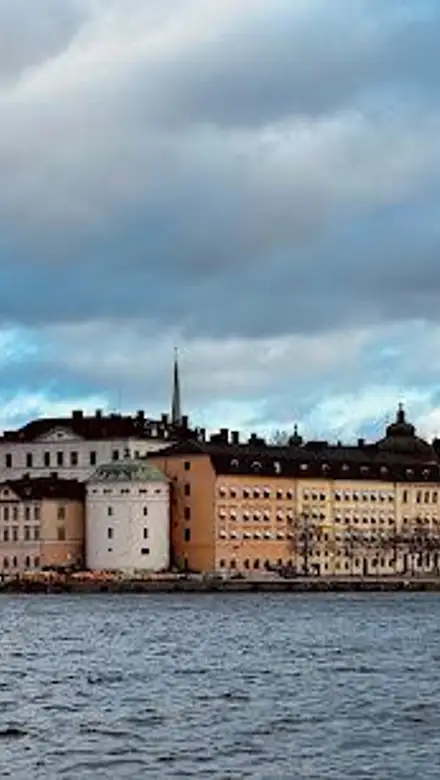
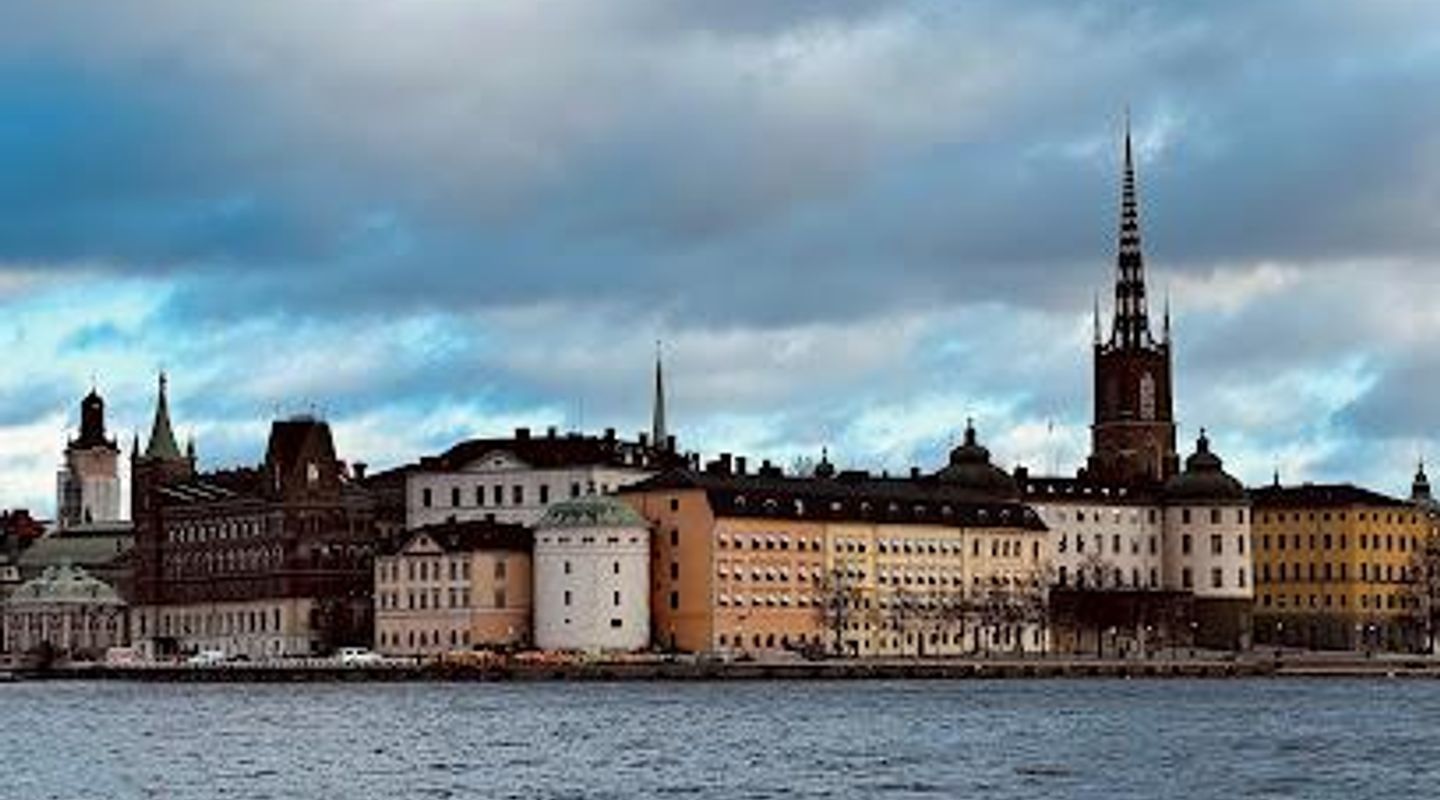
Riddarholmen is a compact, history-soaked islet beside Gamla Stan in central Stockholm, defined by 17th-century noble palaces, the medieval Riddarholmskyrkan royal burial church and a photogenic waterfront facing Riddarfjärden. Quiet cobbled courtyards, the Norstedt printing-house spire and statuary around Birger Jarls torg give the islet a concentrated, museum-like atmosphere that rewards a slow, observant visit.
A brief summary to Riddarholmen
- Stockholm, SE
- Duration: 0.5 to 2 hours
- Free
-
 Outdoor
- Mobile reception: 4 out of 5

Know before you go
Hi, I'm Eve. Here are a few practical things to know before exploring Riddarholmen.
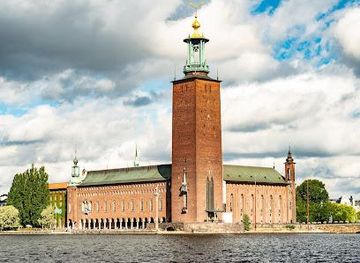
- Visit at golden hour for the best waterfront light; the western quays frame City Hall and reflect warm tones on the water.
- Respect that Riddarholmskyrkan is a historic burial site and not an active parish church; check seasonal opening times for interior access.
- Wear sensible shoes—cobblestones and small, uneven squares reward careful steps rather than fast running.
Do you manage this location?
Take control to get all the benefits, like improved information, better appearance, and stronger visibility across AI-powered discovery. Learn more about listing your business on Evendo
Activate your presenceOther nearby places you may find interesting
The closest places of the same kind, if this one is not quite what you had in mind.


Explore Riddarholmen on the Map
A handpicked selection of must-see spots near Riddarholmen, mapped for you.
Unlock the Best of Riddarholmen
Buy tickets
-
No tickets available
Book tours with entry


Getting There
-
Public tram and pedestrian approach
Tram to the central stop near Norrmalmstorg or a nearby central tram hub, followed by a 6–12 minute walk across pedestrian bridges and cobbled streets to the islet; expect cobblestone surfaces and a short flight of steps in places; typical tram frequency is every 5–15 minutes and single-ride fares in local currency are around 40–55 SEK per adult.
-
Metro plus short walk
Metro to Gamla Stan station, then a 6–10 minute walk across historic streets and a small bridge to Riddarholmen; station access includes escalators and lifts at some entrances but cobbles mean limited wheelchair ease once on the island; a single metro ticket costs approximately 40–55 SEK.
-
Boat/archipelago ferry drop
Sightseeing boats and some local ferries call at nearby quays on the inner-city waterways with journeys typically lasting 10–25 minutes from central piers; service frequency and schedules vary by operator and season, tickets generally cost 120–220 SEK depending on route and provider; pier access is level but gangways can be narrow in busy conditions.
For the on-the-go comforts that matter to you
-
 Seating Areas
-
 Information Boards
-
 Trash Bins
Discover more about Riddarholmen
An urban islet where Stockholm’s past sits close to the water
Riddarholmen is a narrow island tucked against the western edge of Gamla Stan whose compact footprint concentrates layers of Stockholm history into a few streets and harbours. Once named for goat pastures and later home to a Franciscan monastery, the islet is now dominated by elegant 17th-century palaces, stone quays and the distinctive silhouette of the Norstedt printing-house tower that punctuates the city skyline.The church that became a royal necropolis
Riddarholmskyrkan, the medieval church on the islet, is Sweden’s principal royal burial church and the oldest surviving abbey building in the capital. Its brick Gothic volume has been extended over centuries by burial chapels in successive architectural styles; the cast-iron spire rebuilt after an 1835 lightning strike is now a familiar landmark. Inside and around the church you’ll find commemorative tombs, coats of arms and sculpted memorials that map dynasties and royal funerary traditions.Palaces, façades and civic afterlives
The palaces that line Riddarholmen’s small squares and quays read as a chapter in aristocratic Stockholm: Wrangel Palace, Stenbock and other mansions display façades, courtyards and portal details dating from the 1600s onward. Over time many of these grand houses adopted administrative and institutional roles; their stately shells and carefully restored details now offer a sense of layered civic reuse rather than private residence.Waterfront views and photographic vantage points
The western and southern edges of the island open onto Riddarfjärden with broad, camera-friendly views that frame Stockholm City Hall and the rippling water. The quays are popular with broadcasters and photographers for good reason: the low sun in morning or late afternoon gilds the façades and creates long reflections across the bay, while gulls and small boats add motion to the composed scene.Street-level character: cobbles, courtyards and public statuary
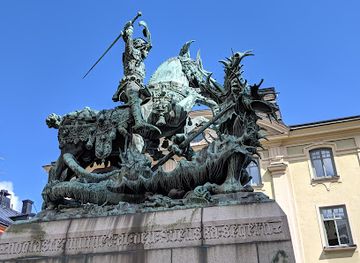
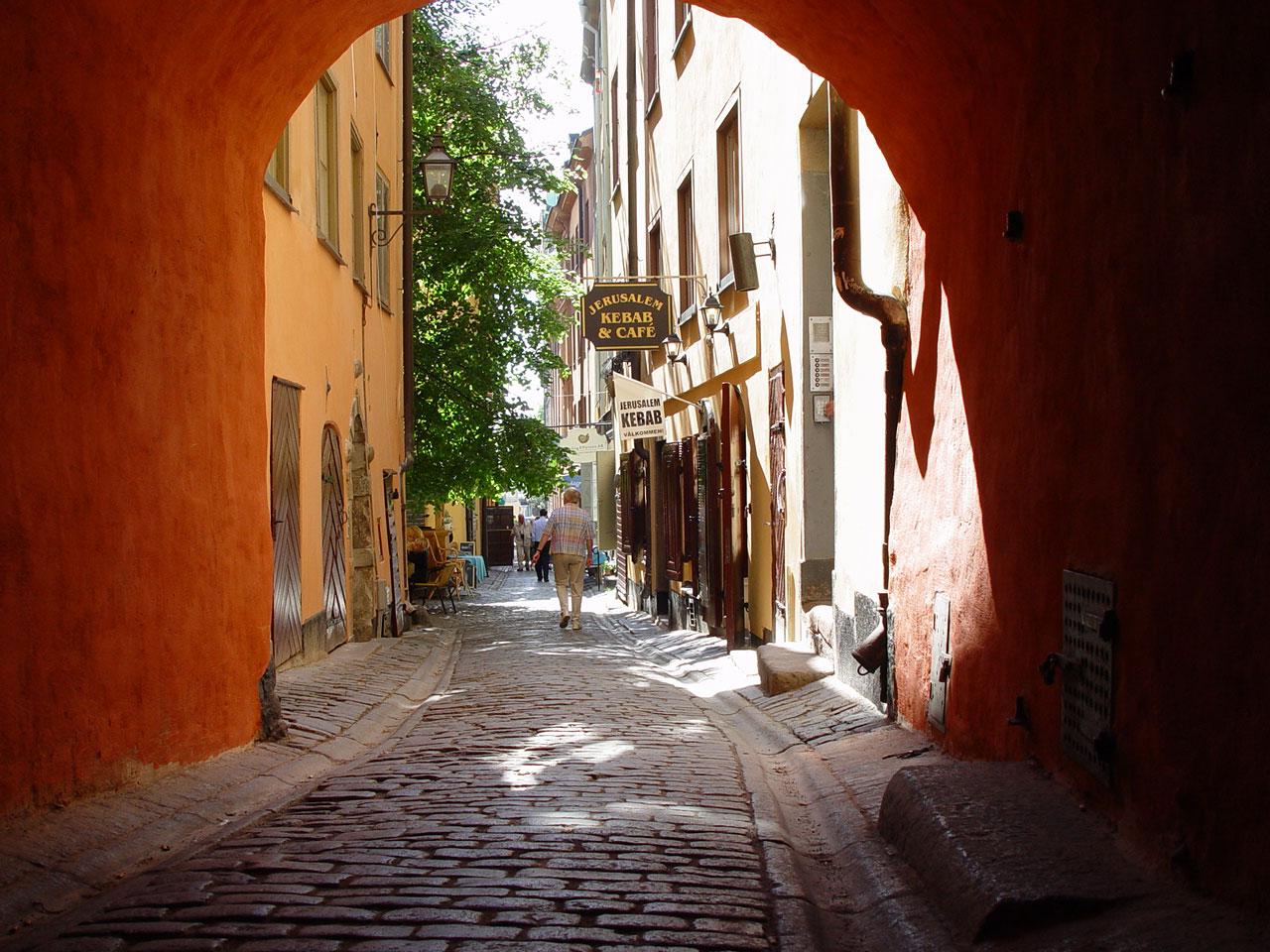
At ground level the islet feels intimate—cobbled lanes, small squares and a handful of public sculptures (notably the statue of Birger Jarl) punctuate the urban fabric. The stone courtyards reveal architectural details such as rusticated portals, wrought-iron accents and discreet coats of arms. The presence of a major road viaduct nearby gives one edge of the island a surprisingly modern, slightly isolated feel that contrasts with the carefully preserved historic blocks.How Riddarholmen reads today: compact, quiet, resonant
Riddarholmen is best approached as a short, contemplative stop in a central Stockholm itinerary rather than a long excursion: its scale makes every detail reachable on foot, and its concentration of royal tombs, palaces and waterfront outlooks rewards curiosity. The islet epitomises how Stockholm layers medieval, baroque and modern elements in a small urban parcel, offering both architectural highlights and calm places to pause by the water.












Your all‑in‑one travel companion app
Explore expert travel guides, compare and book tours, experiences, hotels, and more—all from the palm of your hand. Download now for seamless trip planning wherever your wanderlust takes you.


Explore More of Stockholm
Looking beyond Riddarholmen? Discover Stockholm for broader travel guides, local hot-spots, and regional highlights.
Explore Stockholm