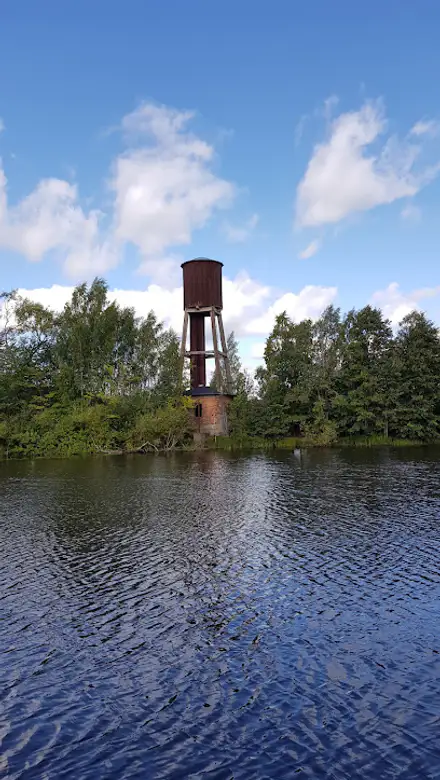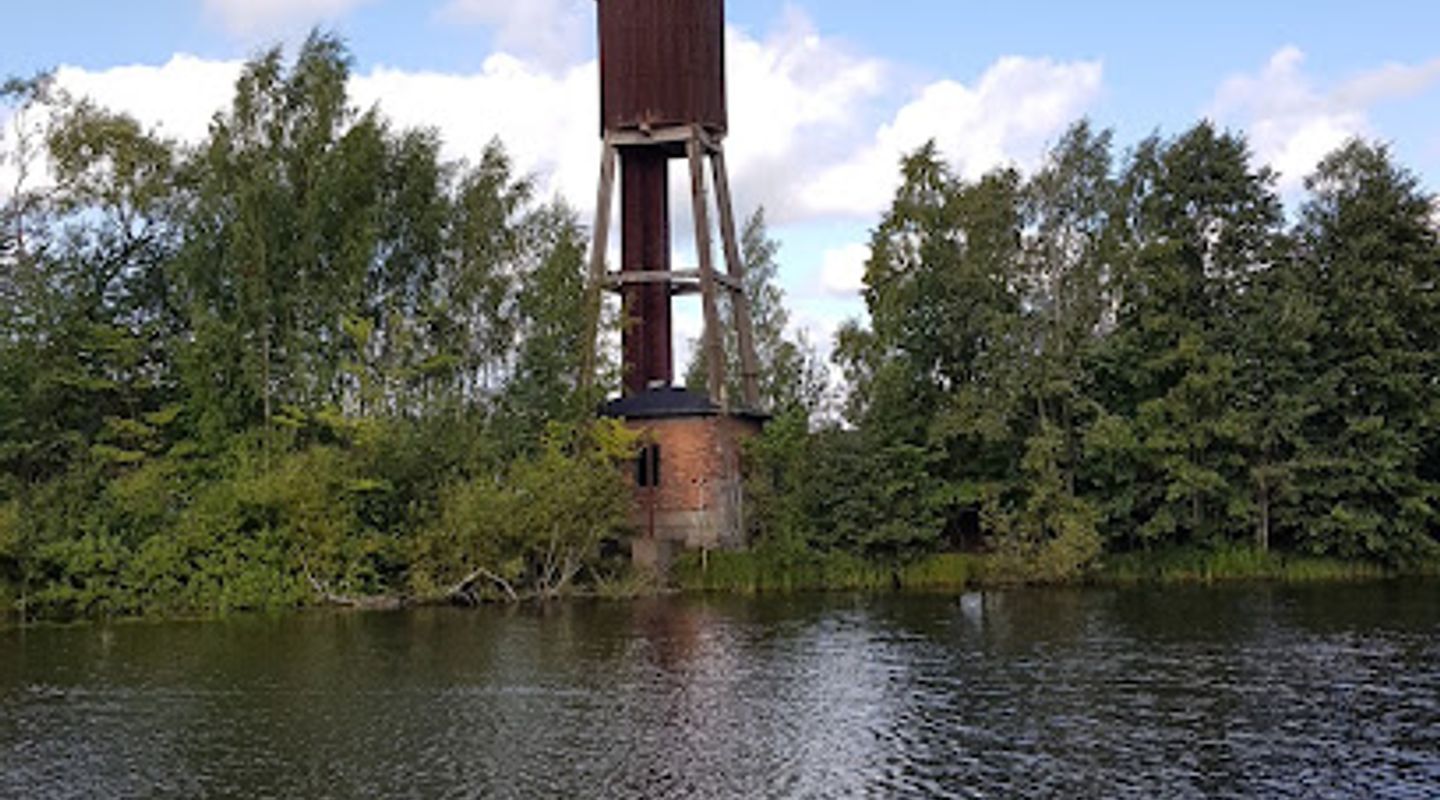
Forsbacka Bruk, Svealand Travel Guide
Step into Sweden's iron heart: preserved 1800s industrimiljö, elegant herrgård park, lakeside paddling, and hearty eats in Gävleborg's living history village.
Forsbacka Bruk is a remarkably preserved 19th-century ironworks village in Gävleborg, Sweden, offering a vivid glimpse into Sweden's industrial past. Wander preserved buildings, explore the English park at Forsbacka Herrgård, enjoy café fare, paddling on Lake Storsjön, and guided tours amid historic machinery and worker homes. Family-friendly with dining, events, and nature trails year-round.
A brief summary to Forsbacka Bruk
- Stentorpsvägen 9, Forsbacka, 818 41, SE
- Click to display
- Click to display
- Duration: 1.5 to 4 hours
- Budget
-
 Outdoor
- Mobile reception: 4 out of 5

Know before you go
Hi, I'm Eve. Here are a few practical things to know before exploring Forsbacka Bruk.
- Join a guided tour to hear tales of iron barons and workers; schedules vary seasonally.
- Play traditional kubb in the 1900s wooden skittle alley by the lake for authentic bruk recreation.
- Visit Café Labbis for fika amid industrial relics; try house-made ice cream.
- Paddle Lake Storsjön at dawn for serene reflections of bruk buildings.
- Explore the English park in autumn when foliage frames the orangerie beautifully.
Do you manage this location?
Take control to get all the benefits, like improved information, better appearance, and stronger visibility across AI-powered discovery. Learn more about listing your business on Evendo
Activate your presenceOther nearby places you may find interesting
The closest places of the same kind, if this one is not quite what you had in mind.
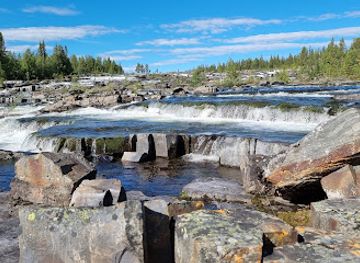

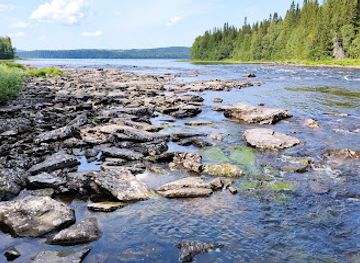
Explore Forsbacka Bruk on the Map
A handpicked selection of must-see spots near Forsbacka Bruk, mapped for you.
Getting There
-
Bus
Bus 67 from Gävle Centralstation to Forsbacka Bruk stop, 25-35 minutes, every 30-60 minutes weekdays, SEK 40-60 adult single ticket.
-
Car
Drive from Gävle via Road 272, 20-25 minutes, free parking at site; limited winter spots due to snow.
-
Bicycle
Cycle from Gävle center along Hovsvägen bike path, 45-60 minutes, flat terrain suitable year-round except heavy snow.
-
Taxi
Taxi from Gävle or Sandviken, 20-30 minutes, SEK 400-600 depending on group size and time.
For the on-the-go comforts that matter to you
-
 Restrooms
-
 Drink Options
-
 Food Options
-
 Seating Areas
-
 Sheltered Areas
-
 Trash Bins
-
 Information Boards
Discover more about Forsbacka Bruk
Origins in Iron and Water
Nestled at the outlet of Lake Storsjön into Gavleån, Forsbacka Bruk harnessed abundant waterpower for iron production as early as the late 1500s. The first documented evidence appears then, with a spire supplied to Gävle Slottskyrkan. By 1651, Queen Christina granted a privilege letter allowing a hammer with two hearths, owned by local merchants. This strategic location, midway between Gävle harbor and iron sources, fueled rapid growth into a complete ironworks processing ore to finished products.Over centuries, ownership shifted among prominent families like Linroth, Behm, and Rydbeck, each expanding operations. A blast furnace was added in the 1700s to secure pig iron supply, marking Forsbacka's rise as a key player in Gästrikland's iron industry.Herrgård's Elegant Legacy
In 1777, Johan Magnus af Nordin, who unified ownership, commissioned Forsbacka Herrgård, a rococo masterpiece that became a model for regional estates. The park, laid out contemporaneously, evolved from strict rococo to English landscape style by the 1790s, featuring an orangerie likely designed by Olof Forsgren around 1800—later repurposed as chapel and school.Early 1800s renovations shifted to late Gustavian style: a lower hipped roof replaced the mansard, facades smoothed with minimal sandstone accents. Interiors, boasting high-quality joinery, doors, stoves, and decorations from 1805-1807, survive largely intact. A 1913 restoration revived rococo elements, including the northern pelaraltan. Converted to apartments in 1992, the exteriors remain unchanged.Industrial Zenith and Innovation
Forsbacka peaked as a modern mega-industry in the 1800s, employing nearly 1,000 by the 1940s. The 1880s saw it as a leading Bessemer works; expansions included rolling mills, a Martin furnace, and a 1908-1909 gas power plant. Acquisitions like Karsmansbo hytta ensured pig iron, while steam power supplanted water. Production ceased gradually: blast furnaces in 1953, last rolling mill in 1981.King Gustav III visited in 1792 during Gävle Riksdag, overnighting at the herrgård, underscoring its prominence. The bruk's krönt B stamp evokes Albrekt Behm's era.Preserved Milieu and Modern Life
When Kinnevik closed operations in the 1980s, the entire site was preserved as an industrial monument under a foundation. Today, the 1800s industrimiljö stands intact: wander brick buildings, peer into 1920s worker homes, play in a wooden skittle alley from 1900 by the water.The site buzzes with guided tours revealing history, art exhibitions, live music, and seasonal events. Forsbacka Herrgård's park invites tranquil strolls amid mature trees and paths.Culinary and Recreational Haven
Dining weaves into the heritage: Forsbacka Wärdshus offers classics in historic surrounds, Restaurang Robin Hood hearty Swedish dishes, Storsjökrogen lakeside lunches. Café Labbis serves coffee and ice cream; a creperie adds whimsy. Rent canoes for Storsjön paddling, or relax in the campground. All year accessible, with facilities for allergies, pets, and wheelchairs.












Your all‑in‑one travel companion app
Explore expert travel guides, compare and book tours, experiences, hotels, and more—all from the palm of your hand. Download now for seamless trip planning wherever your wanderlust takes you.


Explore More of Svealand
Looking beyond Forsbacka Bruk? Discover Svealand for broader travel guides, local hot-spots, and regional highlights.
Explore Svealand
A well-preserved cluster of timber farmsteads in Österfärnebo — centuries of rural life, cottage craft and quiet landscape preserved by the local heritage association.
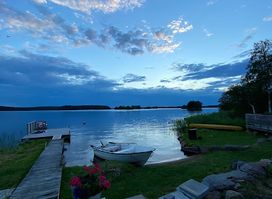
A small, peaceful lakeside isle at Forsbacka — rustic sauna, calm swims and quiet views across Storsjön.