Old Uppsala Archaeological Park, Svealand Travel Guide
Uncover Scandinavia's pagan heart at the Royal Mounds of Old Uppsala—ancient tombs, sacrifice sites, and Viking power center amid timeless Swedish fields.
Old Uppsala Archaeological Park preserves Scandinavia's most significant ancient site, featuring three monumental Royal Mounds from the 6th century, remnants of a powerful political and religious center during the Vendel and Viking periods. Explore vast burial grounds, temple ruins, and execution sites amid serene fields, evoking the myths of Norse gods and kings. Adjacent Gamla Uppsala Museum offers artifacts, interactive exhibits, and guided tours to deepen the historical narrative. Free outdoor access year-round, with museum entry at 150 SEK for adults.
A brief summary to Old Uppsala Archaeological Park
- Disavägen, Uppsala, 754 40, SE
- Duration: 1.5 to 3.5 hours
- Budget
-
 Outdoor
- Mobile reception: 5 out of 5

Know before you go
Hi, I'm Eve. Here are a few practical things to know before exploring Old Uppsala Archaeological Park.
- Join a guided tour at Gamla Uppsala Museum (weekends in English) for expert insights into the site's myths and excavations—included with entry.
- Visit in summer for extended museum hours and events like living history reenactments; combine with Disagården for a full day.
- Bring binoculars to scan the horizon from mound tops—the flat terrain reveals distant views on clear days.
- Explore early morning or late afternoon to avoid crowds and catch dramatic light over the ancient landscape.
Do you manage this location?
Take control to get all the benefits, like improved information, better appearance, and stronger visibility across AI-powered discovery. Learn more about listing your business on Evendo
Activate your presenceOther nearby places you may find interesting
The closest places of the same kind, if this one is not quite what you had in mind.

Explore Old Uppsala Archaeological Park on the Map
A handpicked selection of must-see spots near Old Uppsala Archaeological Park, mapped for you.
Getting There
-
Bus
Bus #2 from Uppsala Central Station reaches the site in 15-20 minutes, running every 15-30 minutes daily; 40-50 SEK per ticket depending on zones, buy via app.
-
Car
Drive 4-5 km north from central Uppsala in 10-15 minutes; free parking 100m from mounds, accessible spots 20m from museum, limited spaces on weekends.
-
Bicycle
Cycle dedicated paths from Uppsala center in 20-25 minutes; bike racks at museum and church, flat terrain suitable year-round.
-
Walking
Walk from central Uppsala along Fyris River paths in 45-60 minutes; mostly flat with some gravel sections, scenic but exposed to weather.
For the on-the-go comforts that matter to you
-
 Restrooms
-
 Drink Options
-
 Food Options
-
 Seating Areas
-
 Trash Bins
-
 Information Boards
-
 Visitor Center
Discover more about Old Uppsala Archaeological Park
Royal Mounds: Tombs of Ancient Kings
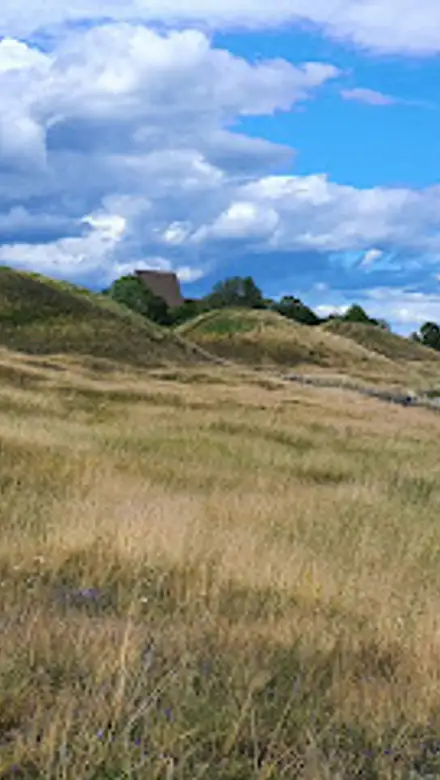
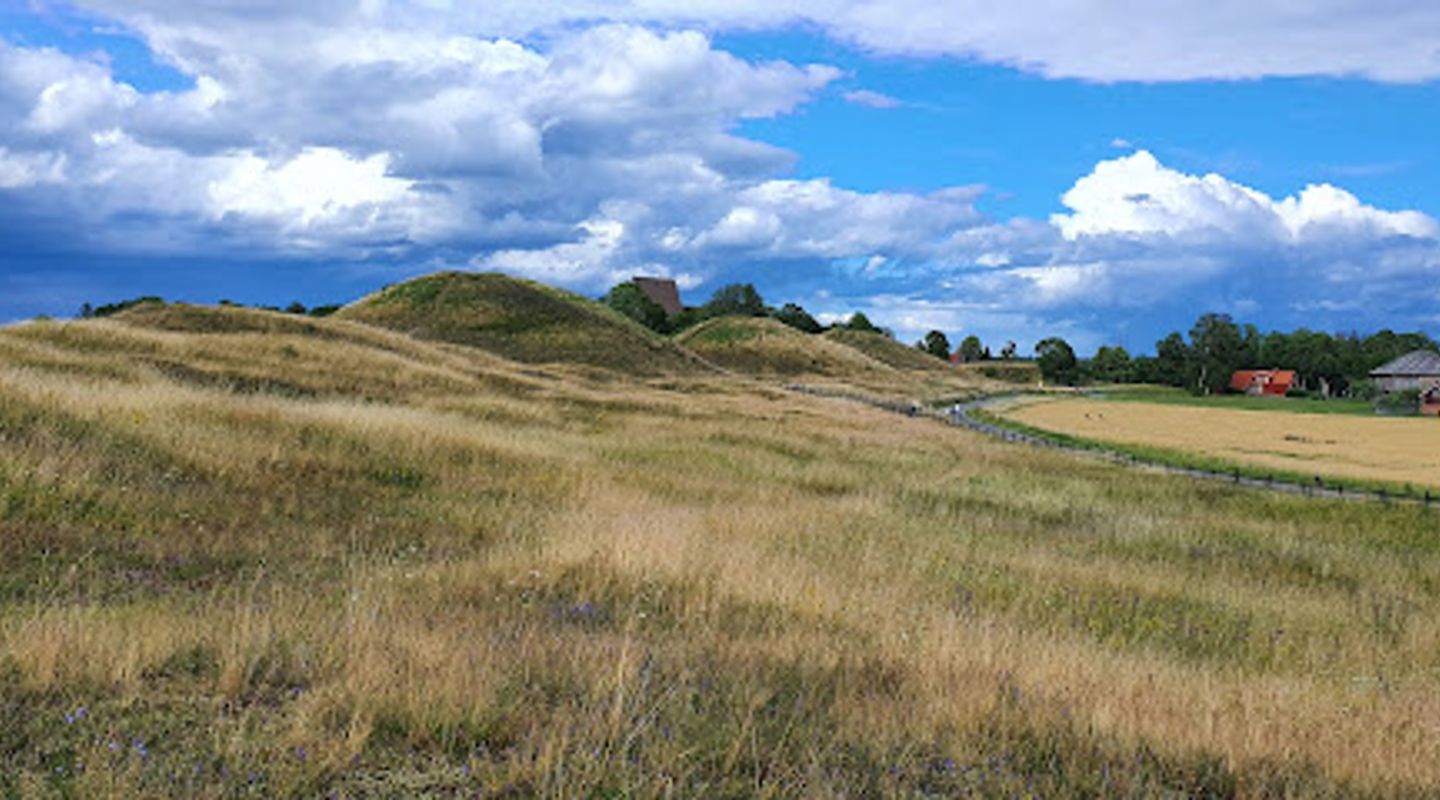
The three massive Royal Mounds dominate the landscape of Old Uppsala, erected between 500 and 550 AD during the Vendel period as burial sites for the era's elite rulers. Standing up to 20 meters high and 60 meters wide, these grass-covered hills served as eternal monuments to power and prestige. Excavations have revealed cremated remains, gold ornaments, weapons, and ship fragments, hinting at the wealth and rituals of those interred within.Surrounding the main trio are about 300 smaller mounds and terraces, forming one of Europe's largest ancient burial complexes. This necropolis reflects a society transitioning from tribal structures to centralized authority, with the mounds aligned precisely to mark sacred ground.Center of Pagan Worship and Sacrifice
Old Uppsala was the heart of pre-Christian Scandinavia, renowned as a cult site where massive blóts—sacrificial feasts—honored gods like Odin, Thor, and Freyr every nine years. Medieval chronicler Adam of Bremen described a golden temple here adorned with divine statues, surrounded by sacred groves where human and animal sacrifices occurred, their blood flowing in rituals to ensure prosperity and victory.Archaeological evidence supports these accounts: postholes indicate a large wooden temple, while nearby flat areas bore witness to executions by hanging on sacred trees. The site's spiritual aura lingers in the open fields, where wind whispers through the grass as if echoing ancient chants.Transition to Christianity
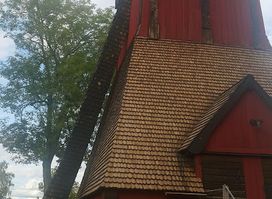
By the 11th century, Christianity supplanted pagan rites, leading to the destruction of the temple and construction of Gamla Uppsala Church on its foundations around 1160. Built from stone quarried locally, the church incorporates elements of the old temple, symbolizing the faith's triumph. Its Romanesque architecture features a sturdy tower and interior murals depicting biblical scenes.The churchyard holds runestones and graves from both eras, bridging the pagan-Christian divide. Today, it stands as a quiet sentinel amid the mounds, hosting occasional services that connect modern Swedes to their layered past.Archaeological Legacy and Modern Insights
Systematic digs since the 19th century have unearthed treasures like the Vendel helmets—ornate iron masks rivaling Sutton Hoo finds—displayed in nearby museums. These artifacts illuminate trade networks spanning Byzantium to Britain, with silver coins and glass beads attesting to Uppsala's role as a cosmopolitan hub.The park's open design invites walkers to trace ancient paths, pondering how this once-thriving center influenced Viking expansion. Information boards along trails provide context on findings, from boat graves to ritual wells.Disagården: Echoes of Rural Life
Nearby Disagården open-air museum relocates 19th-century Uppland farm buildings, offering a contrast to the Iron Age drama. Wander timber cabins, barns, and gardens to experience peasant life with peat hearths, woven textiles, and iron forges. Seasonal events recreate Midsummer dances and harvests, blending history with living tradition.More to explore near Old Uppsala Archaeological Park
-

Best experiences near Old Uppsala Archaeological Park
-

Best hotels near Old Uppsala Archaeological Park
-

Best landmarks near Old Uppsala Archaeological Park
-

Best shops near Old Uppsala Archaeological Park
-

Best restaurants near Old Uppsala Archaeological Park
-

Best bars near Old Uppsala Archaeological Park







Your all‑in‑one travel companion app
Explore expert travel guides, compare and book tours, experiences, hotels, and more—all from the palm of your hand. Download now for seamless trip planning wherever your wanderlust takes you.


Explore More of Svealand
Looking beyond Old Uppsala Archaeological Park? Discover Svealand for broader travel guides, local hot-spots, and regional highlights.
Explore Svealand