

Vadstena Castle Travel Guide
Free Guide: A white‑stone Renaissance fortress on Lake Vättern — defence, royal life and lakeside atmosphere preserved under one roof.


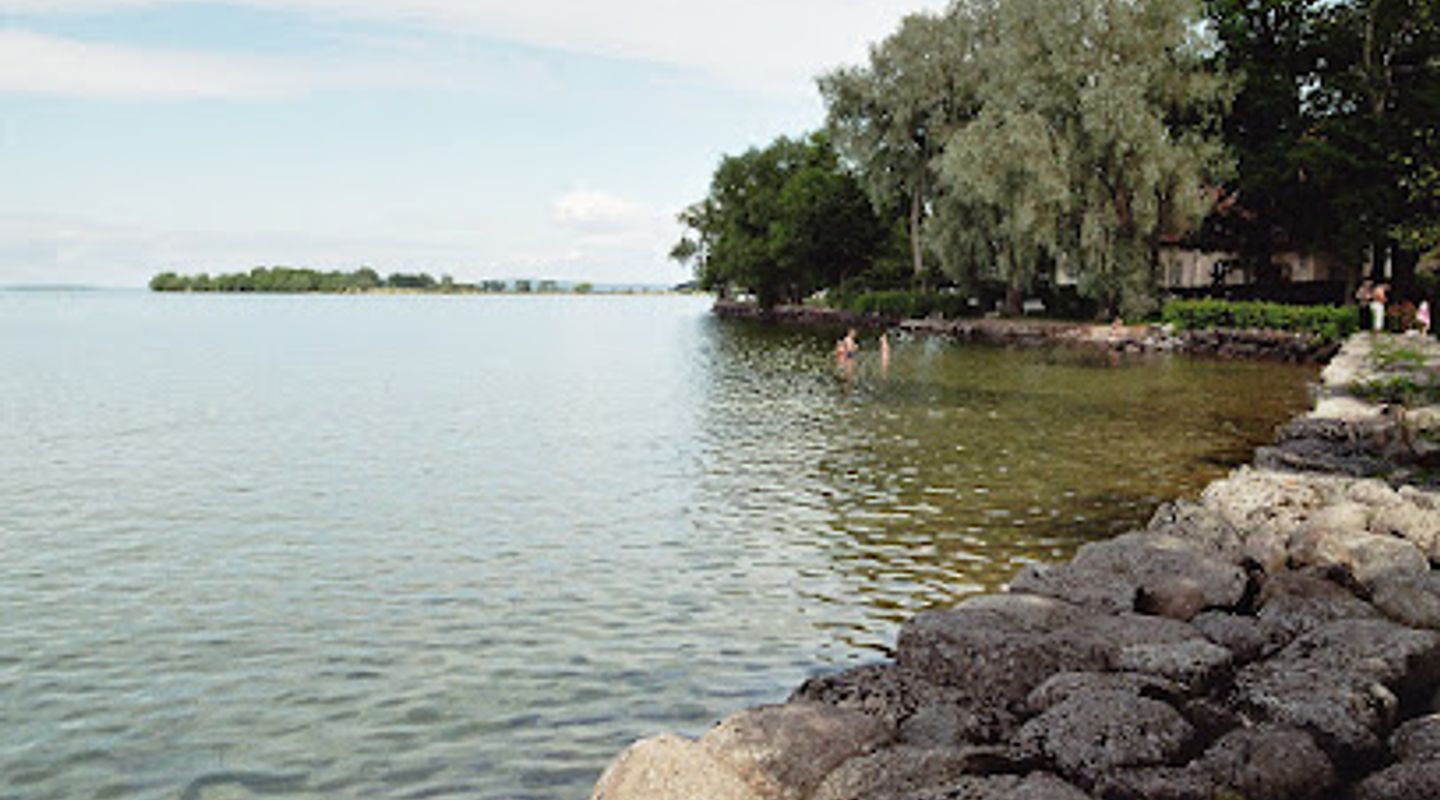
A brief summary of Vadstena Castle
A white‑stone Renaissance fortress on Lake Vättern — defence, royal life and lakeside atmosphere preserved under one roof.
Vadstena Castle is Sweden’s best-preserved Renaissance fortress, set beside Lake Vättern in the small market town of Vadstena. Built in the 16th century for royal defence and later enlarged into a palace, the castle today contains museum displays, furnished period rooms, gun turrets and a moat that frames its white stone facades. The site blends fortified architecture with lakeside calm and regular guided tours and exhibitions that bring its royal and military history to life.
On-site amenities
 Restrooms
 Drink options
 Food options
 Seating areas
 Information boards
Opening hours
- Every day12 pm–4 pm
Opening hours as listed on the venue’s Google Business Profile. Hours can change for services and special events, so check with the venue before you go.
- Address
- Hamngatan 4, 592 30 Vadstena
- Phone
- Website
Getting there
Regional bus
Train + walk
Car
Discover more about Vadstena Castle
From Fortress to Renaissance Palace
Vadstena Castle began as a mid-16th-century defensive enterprise and evolved into an imposing Renaissance residence. Construction was initiated under Gustav Vasa to secure the kingdom’s southern approaches, and later programmes transformed the fortress into a grand palace with three preserved original floors. The fabric of the building—thick defensive walls, round turrets and formal living quarters—still shows the dual purpose that shaped its layout and decorative choices.
The Castle’s Rooms and Collections
Inside the castle you move between functional ground-floor spaces and an upper, furnished floor that preserves inventories and interiors from the 16th to the 18th centuries. The lower levels house interpretive displays about the site’s shifting role—military stronghold, royal residence and administrative centre—along with tangible traces such as a preserved kitchen chute and gun-turret passages. Period furnishings, carved woodwork and painted details give a clear sense of how court life and practical defence coexisted here.
Water and Defence: Moat, Harbour and Landscape
The castle’s moat, which connects visually to the broad sweep of Lake Vättern, is central to its character. Approaches across water and the castle’s lakeside siting are part of its defensive logic as well as its scenic appeal. From many vantage points the white-stone silhouette reads as a coastal fortress; the proximity of the guest harbour and the reflections on calm water amplify the feeling of arriving at a place that was both strategic and prestigious.
Guided Tours, Dramatised Walks and Seasonal Rhythm
Interpretation at the castle ranges from self-guided displays to scheduled guided tours and seasonal dramatized programmes that emphasise the Renaissance period and the castle’s story. In warmer months the site typically extends opening hours and runs extra tours; at other times of year access may be more limited and specific floors or rooms open according to programming. Exhibitions change periodically, using the castle’s long interiors to stage historical narratives and temporary displays.
Architectural Details and Visitor Experience
Look closely at the masonry, the tower crowns and the arrangement of defensive apertures: these elements speak of the practical demands of 16th-century defence alongside Renaissance taste for proportion and interior comfort. The top, furnished floor provides elevated sightlines into the Great Hall of State and toward the abbey church nearby, while narrow staircases and turret passages recall the building’s fortress origins. The overall effect is one of layered history—fortified, renovated and curated for modern visitors.
Setting in Vadstena’s Historic Townscape
Vadstena Castle sits within a compact town of cobbled streets, wooden houses and ecclesiastical buildings that together form a coherent medieval-to-early-modern environment. The castle is part of a wider sequence of historic sites—abbey precincts, parish buildings and harbourfront—that together reflect Vadstena’s role as a pilgrimage centre and regional seat of power. Whether encountered from the water, the moat-side walk or the nearby quay, the castle reads as the focal point of a small city shaped by history and by the presence of Lake Vättern.
Evendo Review Centre
 Google
Guest reviews
Best time to go
Quietest: Jan, Feb & Mar · before 7am or from 8pm
Busy times are Evendo estimates for a typical year, to help you plan. Actual crowds vary with events, school holidays and the weather.
Explore Vadstena Castle on the map
A handpicked selection of must-see spots near Vadstena Castle, mapped for you.
Get your free copy of our complete guide to Vadstena Castle, delivered straight to you.
Everything on this page, from opening hours and how to get there to Eve’s tips and the best time to go, in one PDF you can read offline, print or share.
Already have an account? Sign in
Your Vadstena Castle guide is ready.
We'll send it to · Not you? Sign out

Getting your guide ready…
We are putting together a fresh copy of the Vadstena Castle guide. This can take up to a minute.
This can take a few moments. If your browser asks, choose Allow so the download can start. You'll find the guide in your Downloads folder.
Nothing happened? Download it again
Sorry, the guide is taking longer than usual. Please try again in a minute, or get it by email instead.
Other nearby places you may find interesting
The closest places of the same kind, if this one is not quite what you had in mind.
-
-
-
-
-


Swipe for more places
More to explore near Vadstena Castle

 Best experiences near Vadstena Castle
 Best hotels near Vadstena Castle
 Best landmarks near Vadstena Castle
 Best attractions near Vadstena Castle
 Best shops near Vadstena Castle
 Best restaurants near Vadstena Castle
 Best bars near Vadstena Castle
Do you manage this location?
Take control to get all the benefits, like improved information, better appearance, and stronger visibility across AI-powered discovery.
Explore more

Explore more of Svealand
Experience the essence of Sweden in Svealand: a region of historic cities, stunning archipelagos, and rich cultural heritage perfect for every traveler.
Explore Svealand
Explore more of Sweden
Discover Sweden's breathtaking landscapes, vibrant cities, and rich cultural heritage. From the Northern Lights to historic castles, experience the essence of Scandinavia.
Explore Sweden
