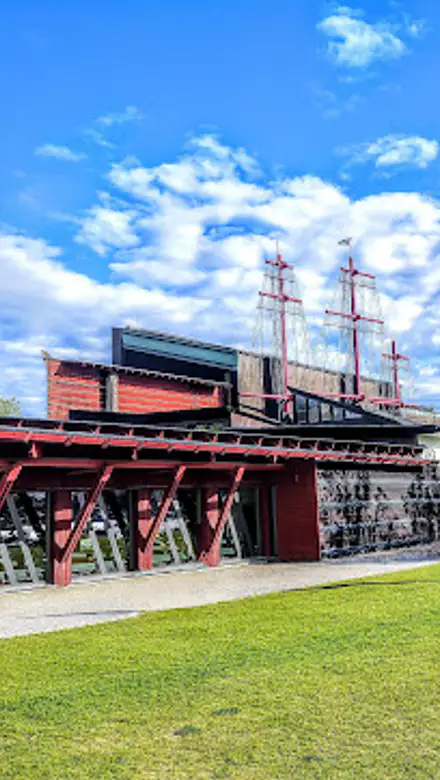
Vasa Museum Travel Guide
Free Guide: Step aboard the ghostly galleon that sank in glory—Vasa Museum unveils a 17th-century warship preserved against all odds after 333 years submerged.


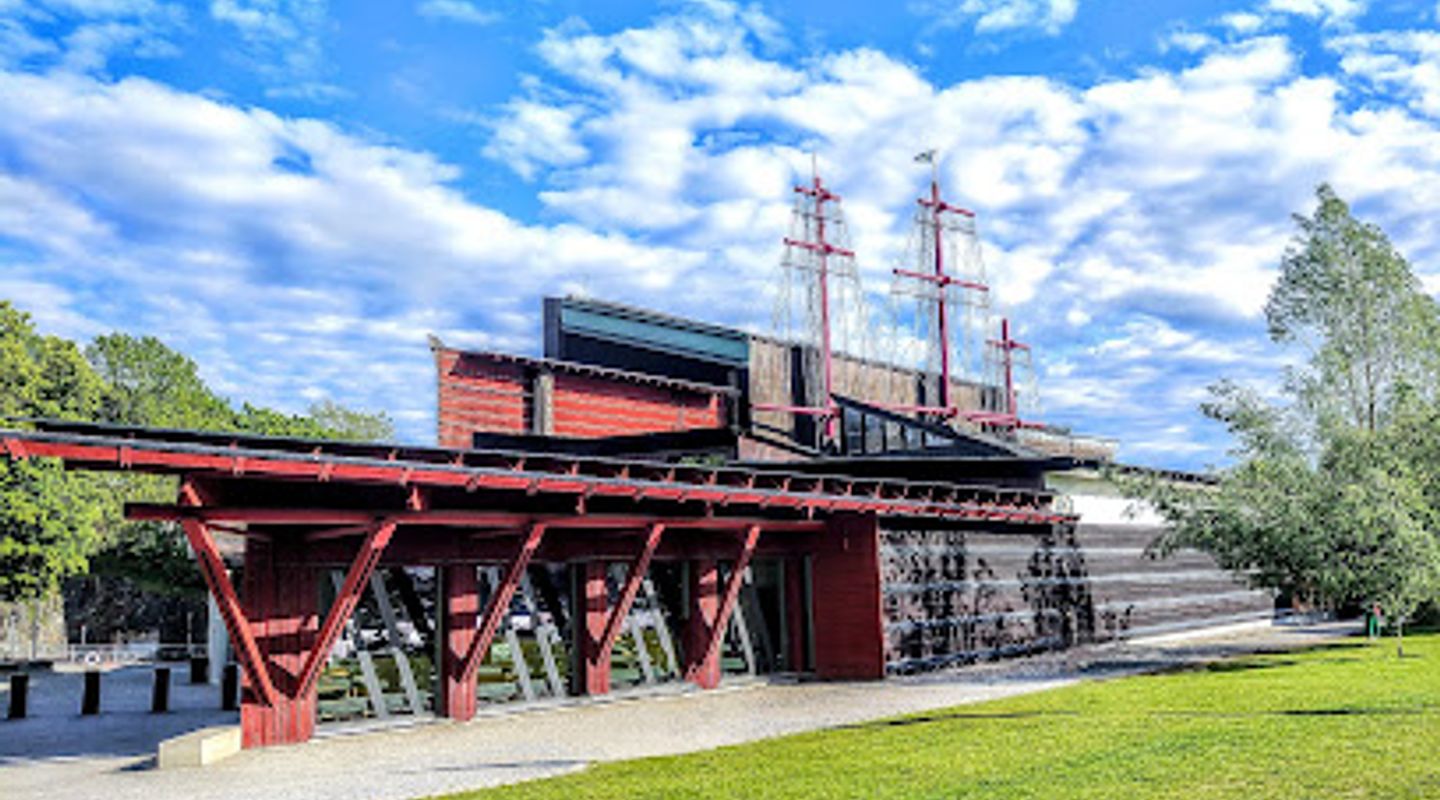
A brief summary of Vasa Museum
Step aboard the ghostly galleon that sank in glory—Vasa Museum unveils a 17th-century warship preserved against all odds after 333 years submerged.
The Vasa Museum in Stockholm houses the remarkably preserved 17th-century warship Vasa, which sank on its maiden voyage in 1628 and was salvaged after 333 years underwater. This iconic vessel, displayed in a vast purpose-built hall, dominates the space with its towering masts, intricate carvings, and over 90% original structure. Surrounding exhibitions explore the ship's construction, the lives of its crew, maritime archaeology, and the era's naval ambitions. Visitors can view the ship from six levels, watch a film on its history, and join guided tours included in admission. Free for under-18s, the museum offers audio guides, a shop, restaurant, and full accessibility with lifts. A must for history enthusiasts, it reveals Sweden's golden age of power and the dramatic tale of hubris on the high seas.
On-site amenities
 Restrooms
 Drink options
 Food options
 Seating areas
 Sheltered areas
 Trash bins
 Information boards
 Visitor centre
Opening hours
- Every day8:30 am–6 pm
Opening hours as listed on the venue’s Google Business Profile. Hours can change for services and special events, so check with the venue before you go.
- Address
- Galärvarvsvägen 14, 115 21 Stockholm
- Phone
- Website
Getting there
Public Ferry
Tram
Bus
Walking
Discover more about Vasa Museum
Spectacular Salvage from Stockholm's Depths
The Vasa warship entered history—and infamy—on August 10, 1628, when it capsized and sank in Stockholm harbor just minutes into its maiden voyage, claiming over 30 lives. Commissioned by King Gustav II Adolf as a symbol of Sweden's rising naval might, the 69-meter-long galleon was extravagantly decorated with over 700 carved oak figures, many gilded and painted in vibrant Renaissance splendor. Remarkably preserved by the cold, brackish waters of the Baltic Sea, Vasa lay undisturbed until its salvage in 1961, emerging nearly intact after 333 years on the seabed. Today, housed in a dedicated museum on Djurgården island since 1990, it stands as the world's only preserved 17th-century ship, offering an unparalleled window into early modern shipbuilding.
Architectural Marvel and Artistic Masterpiece
Dominating the museum's cavernous atrium, Vasa towers three stories high, its hull encrusted with barnacles long removed to reveal original timbers darkened by centuries underwater. Multi-level walkways allow close inspection of its elaborate sterncastle, adorned with mythical beasts, biblical scenes, and royal emblems symbolizing power. The ship's ten sail-equipped masts, though unrestored, hint at its intended 1,500-square-meter sail area, capable of powering 64 cannons. Preservation techniques, including climate-controlled air at 18-20°C and 50% humidity, protect its fragile wooden fabric from decay. Over 25,000 artifacts recovered from the wreck—tools, personal items, clothing, and even half-eaten food—provide tactile connections to the 150 souls aboard.
Life Aboard and the Human Story
Exhibitions immerse visitors in the daily realities of Vasa's crew, from the captain's quarters to the cramped gun decks. Skeletal remains of 15-30 victims, analyzed through osteological studies, reveal stories of scurvy, childhood malnutrition, and battle scars among sailors as young as 12. Interactive displays reconstruct the chaotic maiden voyage: overloaded with heavy artillery and top-heavy due to a last-minute addition of an extra gun deck, Vasa heeled fatally in a gentle breeze. Multimedia films dramatize the sinking, while models demonstrate stability flaws rooted in ambitious design over engineering prudence.
Broader Context of Sweden's Naval Ambitions
Vasa embodied Sweden's transformation into a Baltic superpower during the Thirty Years' War. Built at the royal dockyards using Dutch-inspired techniques but scaled to unprecedented size, it reflected King Gustav's drive for dominance. The museum contextualizes this through displays on 17th-century warfare, trade routes, and shipyard labor involving thousands of workers. Temporary exhibits often delve into related wrecks or conservation science, underscoring Vasa's role in advancing maritime archaeology globally.
Modern Visitor Experience and Legacy
Six viewing decks circle the ship, enabling perspectives from keel to rigging. Free guided tours (25 minutes) and downloadable audio guides in multiple languages enhance understanding. The on-site restaurant serves Swedish fare amid waterfront views, while the shop stocks ship replicas, books, and educational toys. Fully accessible with elevators, ramps, and adapted restrooms, the museum welcomes all ages, recommending 1.5-2 hours to absorb its depths. As Scandinavia's most visited museum, Vasa endures as a testament to human ingenuity, folly, and the sea's unforgiving embrace.
Evendo Review Centre
 Google
Guest reviews
Best time to go
Quietest: Jan, Feb & Mar · before 9am or from 7pm
Busy times are Evendo estimates for a typical year, to help you plan. Actual crowds vary with events, school holidays and the weather.
Explore Vasa Museum on the map
A handpicked selection of must-see spots near Vasa Museum, mapped for you.
Get your free copy of our complete guide to Vasa Museum, delivered straight to you.
Everything on this page, from opening hours and how to get there to Eve’s tips and the best time to go, in one PDF you can read offline, print or share.
Already have an account? Sign in
Your Vasa Museum guide is ready.
We'll send it to · Not you? Sign out

Getting your guide ready…
We are putting together a fresh copy of the Vasa Museum guide. This can take up to a minute.
This can take a few moments. If your browser asks, choose Allow so the download can start. You'll find the guide in your Downloads folder.
Nothing happened? Download it again
Sorry, the guide is taking longer than usual. Please try again in a minute, or get it by email instead.
Unlock the best of Vasa Museum
Skip-the-line tickets, guided tours with entry, and walking tours of the area, booked in a few clicks.





Other nearby places you may find interesting
The closest places of the same kind, if this one is not quite what you had in mind.
-
-
-
-
-


Swipe for more places
More to explore near Vasa Museum

 Best experiences near Vasa Museum
 Best hotels near Vasa Museum
 Best landmarks near Vasa Museum
 Best attractions near Vasa Museum
 Best shops near Vasa Museum
 Best restaurants near Vasa Museum
 Best bars near Vasa Museum
Do you manage this location?
Take control to get all the benefits, like improved information, better appearance, and stronger visibility across AI-powered discovery.
Explore more

Explore more of Svealand
Experience the essence of Sweden in Svealand: a region of historic cities, stunning archipelagos, and rich cultural heritage perfect for every traveler.
Explore Svealand
Explore more of Sweden
Discover Sweden's breathtaking landscapes, vibrant cities, and rich cultural heritage. From the Northern Lights to historic castles, experience the essence of Scandinavia.
Explore Sweden