Vreta kloster Travel Guide
Free Guide: A serene medieval abbey ensemble — royal graves, a Romanesque–Gothic church and evocative convent ruins set in Östergötland’s open farmland.


A brief summary of Vreta kloster
A serene medieval abbey ensemble — royal graves, a Romanesque–Gothic church and evocative convent ruins set in Östergötland’s open farmland.
Vreta kloster is a medieval abbey site and parish church in Ljungsbro, Östergötland, that traces its origins to the early 1100s and is considered Sweden’s earliest known nunnery. The surviving Romanesque-Gothic church, adjacent convent ruins and park-like grounds offer a concentrated historical ensemble — royal burials, monastic masonry and layered restorations — set beside a quiet rural village and canal landscape.
On-site amenities
 Restrooms
 Seating areas
 Information boards
 Visitor centre
Opening hours
- Mon9:30 am–11:30 am, 1 pm–3 pm
- Tue9:30 am–11:30 am, 1 pm–3 pm
- WedClosed
- Thu9:30 am–11:30 am, 1 pm–3 pm
- FriClosed
- SatClosed
- SunClosed
Opening hours as listed on the venue’s Google Business Profile. Hours can change for services and special events, so check with the venue before you go.
- Address
- Löjtnantsgatan 1, 590 70 Ljungsbro
- Phone
Getting there
By regional bus from Linköping
By car from Linköping
By bicycle
Discover more about Vreta kloster
Origins and royal foundation
Vreta kloster began as a royal foundation in the early 12th century and grew into Sweden’s earliest documented nunnery. Founded under royal patronage, the complex originally followed Benedictine practice before transitioning to the Cistercian order; its foundation established Vreta as an important centre for female religious life and elite education in medieval Sweden.
Architectural fabric and the surviving church
The principal visible monument today is the parish church, where masonry spans Romanesque solidity and later Gothic modifications. Thick stone walls, narrow arched openings and carved grave markers give a palpable sense of continuity with the Middle Ages. Inside, funerary monuments and medieval masonry fragments attest to the abbey’s long use as a burial place for nobles and royalty.
Convent ruins and the monastic precinct
Beyond the church lie the low-lying remains of the convent and domestic buildings: foundation stones, lengths of wall, and turf-covered outlines that suggest cloister ranges and service spaces. These ruins read best in calm light — they reveal the footprint of a self-contained community and encourage close inspection of mortar, reused stone and subtle changes in level that mark former rooms.
Landscape and setting by the canal and farmland
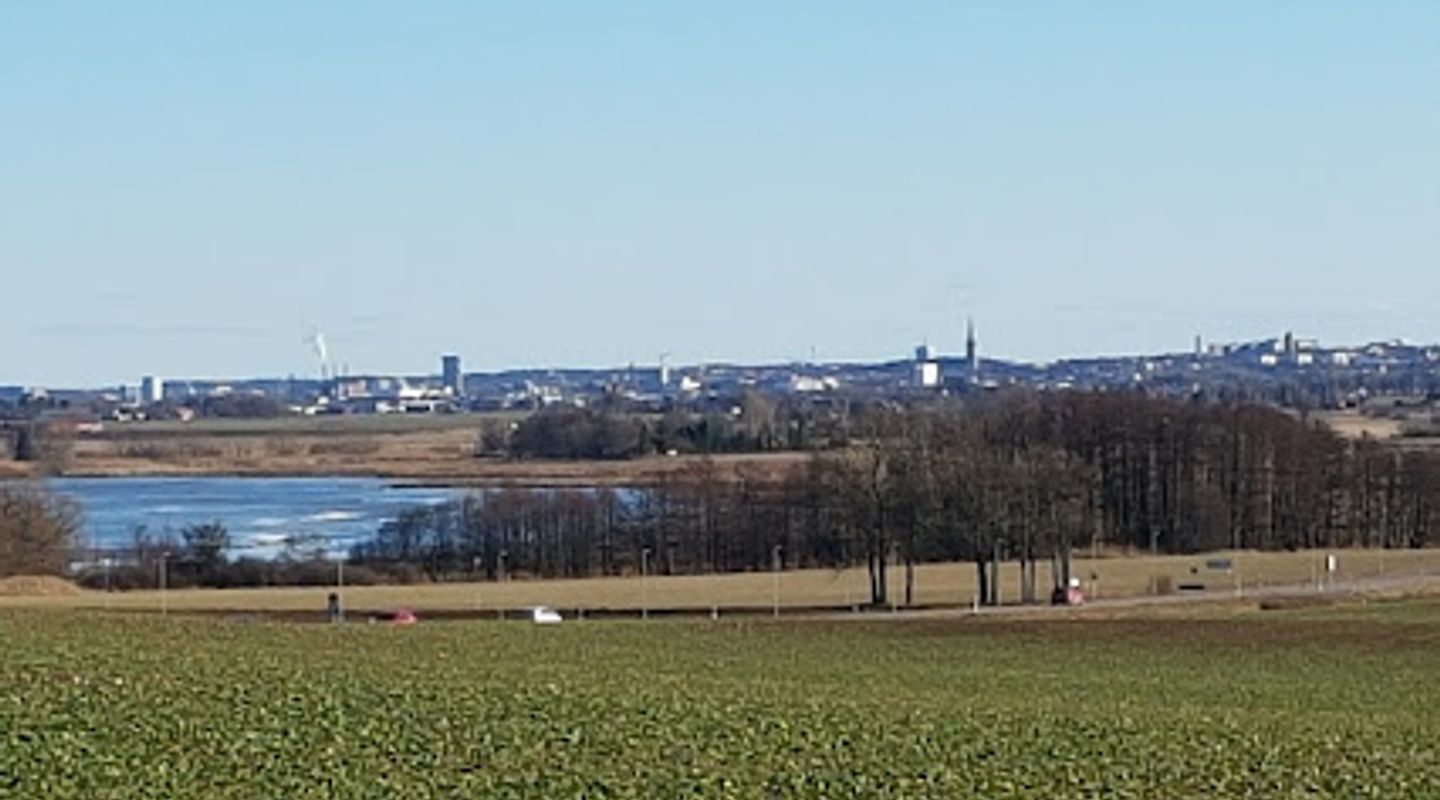
Vreta sits in a gentle agricultural landscape with open fields, old lanes and the nearby channelled waterways of the Göta region. The setting is rural rather than urban; from the churchyard you can sense the sweep of cultivated land and the low hum of modern life beyond, a contrast that heightens the site’s quiet historic presence.
Lives, education and memorable episodes
Historically the abbey doubled as a school for daughters of the nobility and a religious retirement house, linking its domestic life with regional politics. The site’s chronicles include episodes of noble births, royal burials and dramatic medieval incidents that passed into local lore; these human stories remain inscribed in the stonework and the recorded lists of abbesses and patrons.
Visitor experience and conservation note
Today the church functions as a living parish space and the ruined precinct is preserved as an open archaeological ensemble. The atmosphere is contemplative: visitors move between sheltered interior spaces and exposed foundations, reading interpretive panels or following a short guided commentary when available. Conservation efforts have stabilised the ruins while retaining the worn textures and historic patina that connect the modern visitor to a thousand years of history.
Evendo Review Centre
 Google
Guest reviews
Best time to go
Quietest: Jan, Feb & Dec · before 7am
Busy times are Evendo estimates for a typical year, to help you plan. Actual crowds vary with events, school holidays and the weather.
Explore Vreta kloster on the map
A handpicked selection of must-see spots near Vreta kloster, mapped for you.
Get your free copy of our complete guide to Vreta kloster, delivered straight to you.
Everything on this page, from opening hours and how to get there to Eve’s tips and the best time to go, in one PDF you can read offline, print or share.
Already have an account? Sign in
Your Vreta kloster guide is ready.
We'll send it to · Not you? Sign out

Getting your guide ready…
We are putting together a fresh copy of the Vreta kloster guide. This can take up to a minute.
This can take a few moments. If your browser asks, choose Allow so the download can start. You'll find the guide in your Downloads folder.
Nothing happened? Download it again
Sorry, the guide is taking longer than usual. Please try again in a minute, or get it by email instead.
Other nearby places you may find interesting
The closest places of the same kind, if this one is not quite what you had in mind.
-
-
-
-
-


Swipe for more places
More to explore near Vreta kloster

 Best experiences near Vreta kloster
 Best hotels near Vreta kloster
 Best landmarks near Vreta kloster
 Best attractions near Vreta kloster
 Best shops near Vreta kloster
 Best restaurants near Vreta kloster
 Best bars near Vreta kloster
Do you manage this location?
Take control to get all the benefits, like improved information, better appearance, and stronger visibility across AI-powered discovery.
Explore more

Explore more of Svealand
Experience the essence of Sweden in Svealand: a region of historic cities, stunning archipelagos, and rich cultural heritage perfect for every traveler.
Explore Svealand
Explore more of Sweden
Discover Sweden's breathtaking landscapes, vibrant cities, and rich cultural heritage. From the Northern Lights to historic castles, experience the essence of Scandinavia.
Explore Sweden