Drottningholm Palace, Svealand Travel Guide
Sweden's Versailles: UNESCO-listed royal residence with baroque gardens, Chinese Pavilion, and intact 18th-century theatre on Lake Mälaren.
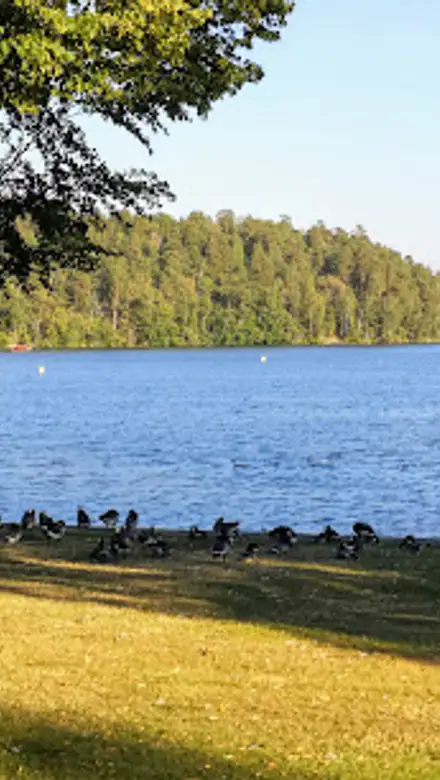
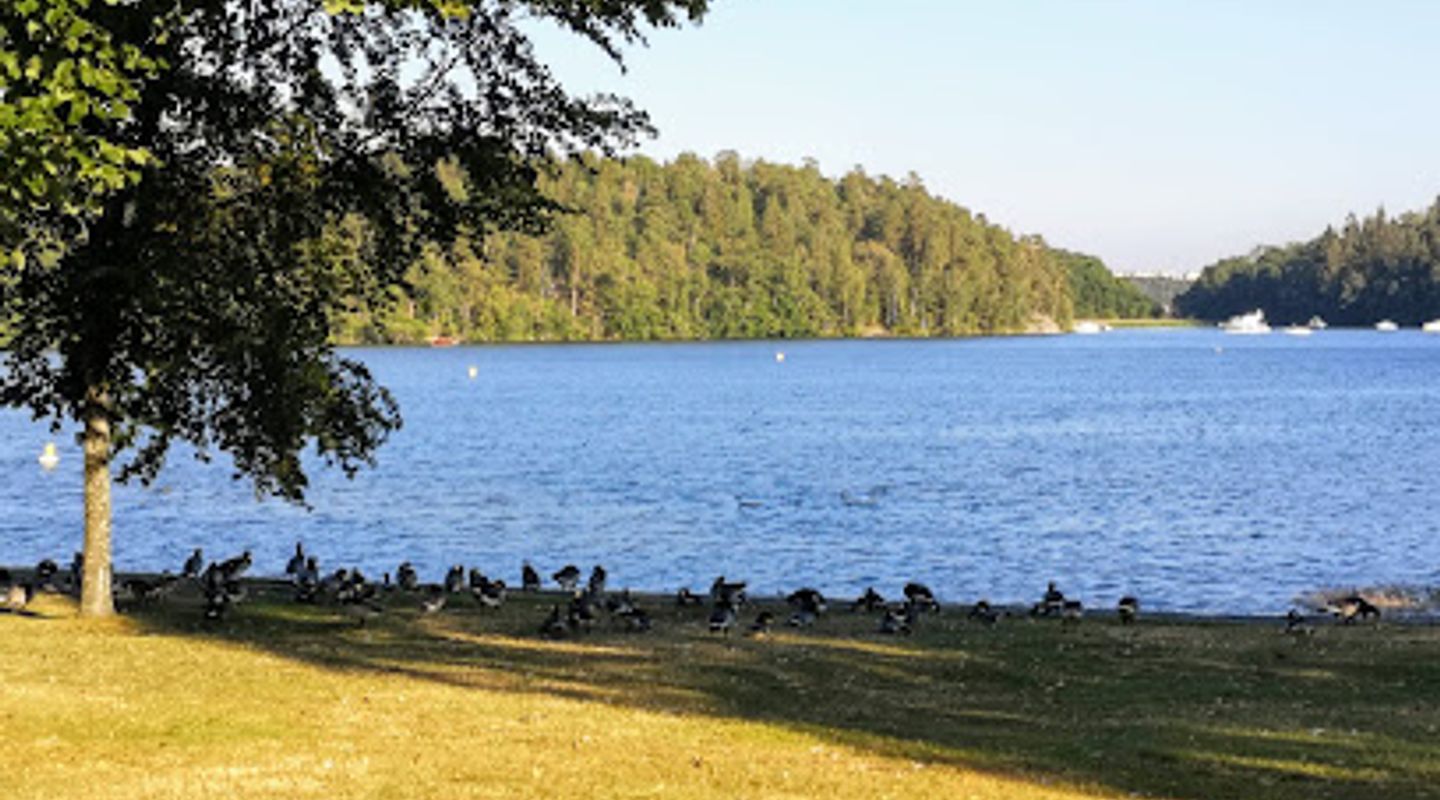
Drottningholm Palace, a UNESCO World Heritage site and the Swedish royal family's residence, showcases 17th-century grandeur with opulent interiors, baroque gardens, the exotic Chinese Pavilion, and the historic Court Theatre. Built by Queen Hedvig Eleonora, it blends French influences with Swedish elegance on Lake Mälaren's shores, offering a serene escape just outside Stockholm.
A brief summary to Drottningholm Palace
- Drottningholm Palace, Drottningholm, 178 93, SE
- Click to display
- Click to display
- Duration: 1.5 to 4 hours
- Mid ranged
-
 Outdoor
- Mobile reception: 4 out of 5
- Monday 10 am-5 pm
- Tuesday 10 am-5 pm
- Wednesday 10 am-5 pm
- Thursday 10 am-5 pm
- Friday 10 am-5 pm
- Saturday 10 am-5 pm
- Sunday 10 am-5 pm

Know before you go
Hi, I'm Eve. Here are a few practical things to know before exploring Drottningholm Palace.
- Visit the palace interiors with a guided tour for deeper insights into royal history; self-guided options available via app.
- Allow extra time for the Chinese Pavilion and Court Theatre, each requiring separate tickets during peak season.
- Gardens are free and open year-round; fountains operate May-September for full baroque effect.
- Check seasonal closures, especially December, as the palace may shut for royal events.
- Combine with nearby Court Theatre performances for an immersive 18th-century experience.
Do you manage this location?
Take control to get all the benefits, like improved information, better appearance, and stronger visibility across AI-powered discovery. Learn more about listing your business on Evendo
Activate your presenceOther nearby places you may find interesting
The closest places of the same kind, if this one is not quite what you had in mind.

Explore Drottningholm Palace on the Map
A handpicked selection of must-see spots near Drottningholm Palace, mapped for you.
Unlock the Best of Drottningholm Palace
Buy tickets
-
No tickets available
Book tours with entry


Getting There
-
Boat
Strömma boats depart hourly from Stockholm City Hall harbor to Drottningholm jetty, 45-60 minutes, SEK 200-300 round-trip adult fare; seasonal May-September with high summer frequency, weather-dependent.
-
Public Bus
Bus 176 or 177 from Brommaplan metro station (red line from central Stockholm) reaches the palace in 30-45 minutes, SEK 40 single ticket; frequent services every 10-20 minutes, limited evening hours.
-
Taxi
Taxis from Stockholm center take 25-40 minutes depending on traffic, SEK 500-700 one-way; available 24/7 but surge pricing during peaks, suitable for groups.
-
Cycling
Rent bikes in Stockholm and follow designated paths along Lake Mälaren, 60-90 minutes moderate ride; flat terrain mostly paved, bike racks on-site, daylight recommended.
For the on-the-go comforts that matter to you
-
 Restrooms
-
 Drink Options
-
 Food Options
-
 Seating Areas
-
 Sheltered Areas
-
 Trash Bins
-
 Information Boards
-
 Visitor Center
Discover more about Drottningholm Palace
Origins in Royal Ambition
Commissioned by Queen Hedvig Eleonora in the late 17th century, Drottningholm Palace rose from the designs of architect Nicodemus Tessin the Elder, drawing inspiration from French prototypes like Versailles. Constructed between 1662 and 1703, it symbolized Sweden's rising power during the Baroque era. The name 'Drottningholm'—Queen's Islet—reflects its island setting on Lake Mälaren, where the queen sought a private retreat amid political turmoil.A devastating fire in 1697 nearly destroyed the structure, but Tessin the Younger led a meticulous reconstruction, preserving its ornate character while enhancing its splendor.Baroque Splendor of the Interiors
Step inside to discover state rooms adorned with frescoes, gilded stuccowork, and tapestries depicting royal triumphs. The State Bedchamber evokes the era's grandeur, where monarchs held court. Queen Lovisa Ulrika later infused Rococo elegance, commissioning delicate furnishings and porcelain collections that whisper of Enlightenment refinement.The southern wing remains private quarters for King Carl XVI Gustaf and Queen Silvia, a living testament to its ongoing royal legacy. Public areas, however, reveal layers of history through preserved chambers, including Karl X Gustav's Gallery with its illusionistic paintings.Orchestrated Harmony of the Gardens
The palace park, a masterpiece of French formal design by Frederik Magnus Piper, unfolds in precise parterres, cascading fountains, and tree-lined avenues. Ornamental groves frame sculpted hedges, while water features—powered historically by ingenious mechanisms—create rhythmic splashes against the lakeside backdrop.English-style sections offer wilder contrasts, with winding paths through romantic woodlands. Open year-round, the gardens shift with seasons: vibrant blooms in summer, skeletal beauty in winter, always evoking 18th-century landscaped ideals.Exotic Allure of the Chinese Pavilion
Gustav III's 18th-century folly, the Chinese Pavilion, dazzles with Rococo pavilions mimicking oriental aesthetics. Five yellow structures encircle a courtyard, interiors brimming with gilded chinoiserie, silk wallpapers, and pagoda motifs—a playful European fantasy of the East.Built as a pleasure retreat, it hosted lavish banquets, its deceptive symmetry revealing mirrored rooms upon closer inspection. The adjacent Canton Street recreates a miniature Chinese village, complete with merchant facades.Timeless Stage of the Court Theatre
The Drottningholm Court Theatre, Europe's best-preserved 18th-century stage, captivates with original machinery: wave machines, thunder rollers, and cloud traps that animate performances as in Gustav III's time. Opened in 1766, it stages operas amid painted backdrops and flickering candlelight illusions.Preserved since 1922, its wooden intimacy transports visitors to an age of absolutist spectacle, where stagecraft blurred reality and fantasy.Enduring Cultural Legacy
Inscribed on UNESCO's World Heritage List in 1991, Drottningholm embodies over three centuries of Swedish monarchy, architecture, and garden art. Its intact ensemble—from palace to pavilions—offers unparalleled insight into European royal culture, blending functionality with fantasy in a lakeside idyll.












Your all‑in‑one travel companion app
Explore expert travel guides, compare and book tours, experiences, hotels, and more—all from the palm of your hand. Download now for seamless trip planning wherever your wanderlust takes you.


Explore More of Svealand
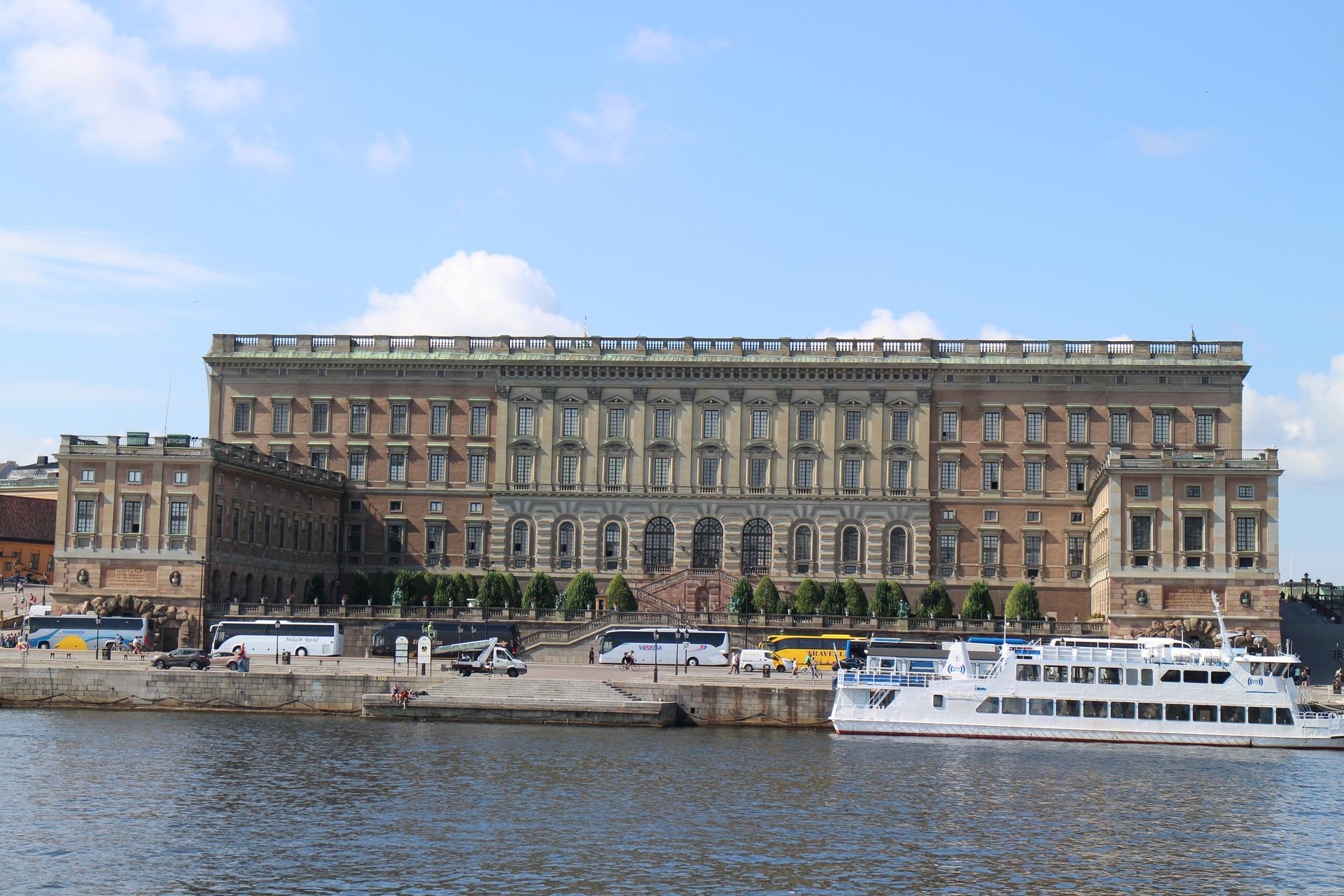
Looking beyond Drottningholm Palace? Discover Svealand for broader travel guides, local hot-spots, and regional highlights.
Explore Svealand
Stockholm’s medieval brick church turned royal mausoleum, famed for its cast-iron spire and the tombs of Sweden’s monarchs.

A sweeping 1930s steel-arch bridge offering wide panoramic views across Riddarfjärden and a threaded connection between Stockholm’s western islands.