Cementbunkern, Stekenjokk Plateau
A stark concrete relic on Sweden’s highest paved plateau — a weathered roadside landmark carved by wind, snow and light.
A weathered, concrete relic perched on the Stekenjokk plateau along Sweden’s Vildmarksvägen, Cementbunkern is an incongruous, bunker-like structure set against stark alpine tundra and wide sky. Once built for practical use on this high road, it now reads as a rugged, photographic landmark where winds, drifting snow and the low-angle summer light carve the concrete into sculptural forms. It’s a brief, atmospheric stop for photo-minded travellers and those curious about roadside history.
A brief summary to Cementbunkern Stekenjokk
- Unnamed Road, Stora Blåsjön, 833 99, SE
- Click to display
- Duration: 0.25 to 1 hours
- Free
-
 Outdoor
- Mobile reception: 2 out of 5

Know before you go
Hi, I'm Eve. Here are a few practical things to know before exploring Cementbunkern Stekenjokk.
- Bring warm, windproof layers even in summer — the plateau is exposed and weather changes quickly.
- Photographers should visit at low sun (early or late) for dramatic shadows and richer textures on the concrete.
- Respect seasonal rules: parts of Stekenjokk have temporary access or stopping restrictions to protect wildlife and reindeer herding.
- Watch your footing on uneven ground and around thawing pools; sturdy shoes are recommended.
Do you manage this location?
Take control to get all the benefits, like improved information, better appearance, and stronger visibility across AI-powered discovery. Learn more
Activate your presence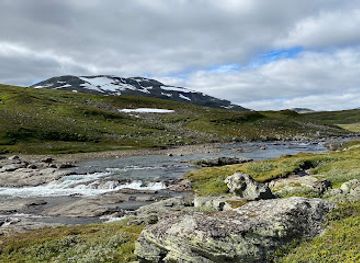

Getting There
-
Drive (main seasonal route)
By car along Vildmarksvägen (the Wilderness Road); typical travel time to the Stekenjokk plateau varies depending on your regional start but plan for long, scenic drives of multiple hours between towns (expect 2–4 hours from nearby larger settlements); note the Stekenjokk section is seasonally open—usually early June to mid-October—and parking can be busy at opening; there are no tolls but winter closures mean the route is impassable outside the open months.
-
Public transport + local taxi
Combine a regional bus to a nearby hub (for example services to towns on the Vildmarksvägen route) with a local taxi for the final leg; bus legs commonly take 1–3 hours from larger towns and taxi transfers across remote roads can add 30–90 minutes; services are infrequent in shoulder seasons and fares for taxi legs typically range from approximately 300–1200 SEK depending on distance and demand, so confirm schedules and prices locally.
-
Campervan or motorhome
Drive with an equipped camper: the plateau has a large summer parking area commonly used by campervans; expect multi-hour travel between service towns, and note overnight stays are subject to local seasonal regulations and occasional parking restrictions to protect wildlife; fuel and services are limited en route, so carry supplies and plan fuel stops in advance.
For the on-the-go comforts that matter to you
-
 Seating Areas
-
 Trash Bins
-
 Information Boards
Discover more about Cementbunkern Stekenjokk
Concrete on the Tundra: What you’re looking at
Cementbunkern is a squat, utilitarian concrete structure sited on the open Stekenjokk plateau, the highest paved stretch of the Vildmarksvägen. Its simple, blocky silhouette — flat roof, thick walls and small openings — contrasts with the rounded shapes of the surrounding fells and the sweeping, treeless plain. Close up you’ll notice aggregate and weathering patterns in the concrete surface: years of wind-driven grit, freeze–thaw cycles and summer sun have given the bunker a muted, granite-like patina that blends surprisingly well with the rocky ground.Landscape and light around the plateau
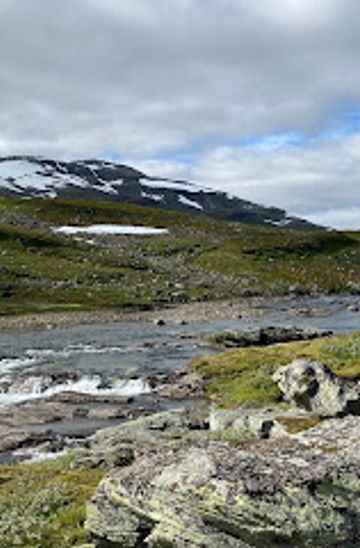
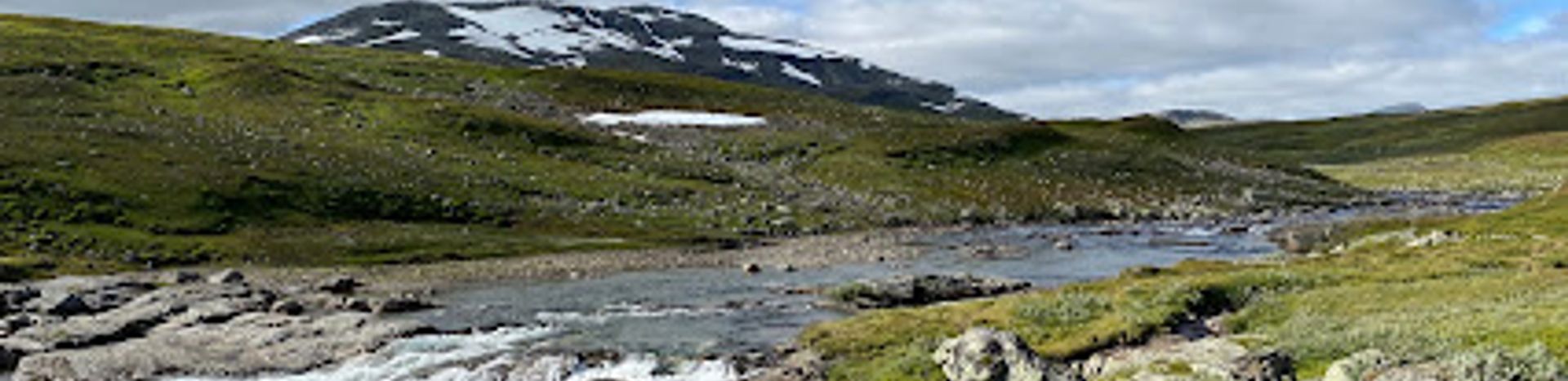
Stekenjokk sits above the tree line, so the horizon opens wide and the light changes fast: high, cool midday clarity in summer; long low light that slices the concrete into deep shadow near sunrise and sunset. The ground is a patchwork of lichens, dwarf shrubs and scattered boulders; in summer the plateau is punctuated by pools and streams that reflect the sky. In late spring the road is flanked by towering snowbanks; in high summer the same place feels stark and minimal, with distant mountains isolated against the sky.History and practical origins
The bunker's form speaks of function rather than ornament: it was erected as a practical roadside facility on a high, exposed route where shelter and storage were needed during road maintenance, snow-clearance operations or seasonal use by workers and travellers. Its presence on Stekenjokk is a reminder of the scale of winter here — the road across the plateau is closed for months under deep snow, and the infrastructure around it reflects those extremes.Sensory character and moments to notice
Stand beside the structure and you’ll hear wind first: high, persistent, with sudden gusts that funnel across the open plateau. The concrete feels cool to the touch even on sunny days; in spring the scent of wet peat and mountain herbs rises from thawing ground. Weather moves in fast here — cloud, sun and squalls sweep across the plain — so the structure is often framed by dramatic skies. During quiet moments you may catch the distant, irregular silhouettes of reindeer and the low, almost metallic calls of plateau birds.Photographic and contemplative appeal
Cementbunkern rewards simple compositions: low-angle shots that place the bunker against sky; detail shots of concrete texture; and wide panoramas that show scale — the human-made block against open tundra. Because the plateau is otherwise sparsely built, the structure becomes a strong anchor for visual stories about human presence in a remote landscape. It’s also a place to pause and take in the plateau’s scale: no facilities or attractions cluster here, so silence and exposure are part of the experience.Seasonal behaviour and site etiquette
The Stekenjokk section of Vildmarksvägen is seasonally open — substantial snow and wildlife protections make timing important. The immediate area around the bunker is part of a sensitive mountain environment used by reindeer and nesting birds; keep to established parking areas and avoid venturing into marked conservation zones. Leave nothing behind: the plateau’s thin soils and slow-growing vegetation are easily damaged and slow to recover.Explore the best of what Cementbunkern Stekenjokk has to offer













More about Lapland
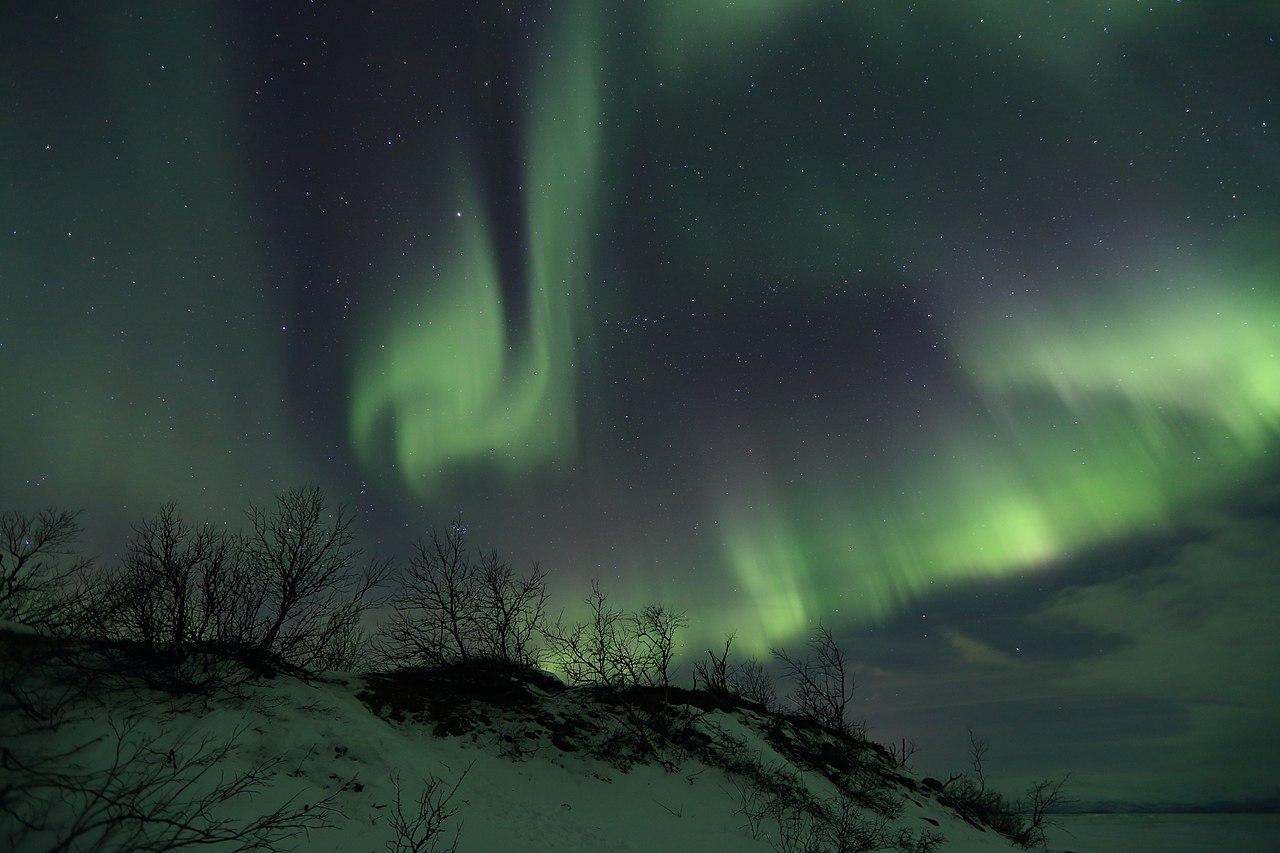
Discover the unspoiled beauty and rich culture of Sweden's Lapland, a land of the Northern Lights and Midnight Sun, where adventure and tranquility meet.
Tell me more about Lapland
A cosy, family-run fjällhotel and cottages in Kittelfjäll — simple rooms, local food, sauna and direct access to trails, fishing and ski-touring.
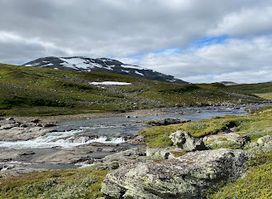
Discover the historic Cementbunkern Stekenjokk, the highest pathed street in Sweden, surrounded by breathtaking mountain landscapes and rich history.