
The Royal Palace, Uppland Travel Guide
A living baroque palace on Gamla stan’s waterfront — ceremonial rooms, crown jewels, medieval vaults and daily guard ritual in one iconic royal complex.
An imposing baroque palace on the edge of Gamla stan, the Royal Palace in Stockholm is the official residence and workplace of Sweden’s monarch and one of Europe’s largest palaces, with hundreds of rooms, multiple museums and ceremonial state apartments open to visitors year‑round. Explore opulent parade rooms, medieval vaults, the Crown Jewels and daily ceremonial guard activities amid riverside vistas and historic stone façades.
A brief summary to The Royal Palace
- Kungliga slottet, Stockholm, 107 70, SE
- Click to display
- Click to display
- Duration: 1 to 3 hours
- Mid ranged
-
 Mixed
Mixed
- Mobile reception: 4 out of 5
- Monday 10 am-5 pm
- Tuesday 10 am-5 pm
- Wednesday 10 am-5 pm
- Thursday 10 am-5 pm
- Friday 10 am-5 pm
- Saturday 10 am-5 pm
- Sunday 10 am-5 pm

Know before you go
Hi, I'm Eve. Here are a few practical things to know before exploring The Royal Palace.
- Book timed-entry tickets for the main museum sections during high season to avoid queues; check seasonal opening of special rooms and exhibitions.
- Allow at least two hours to see the paraderooms, the Tre Kronor vaults and the treasury; add more time if you plan to join a guided tour.
- Listen for the guard‑changing ceremonies in the outer courtyards—arrive early for a good view and comfortable standing space.
- Wear comfortable shoes: the route includes flagged courtyards, stone steps and historic floors that can be uneven.
Do you manage this location?
Take control to get all the benefits, like improved information, better appearance, and stronger visibility across AI-powered discovery. Learn more
Activate your presenceOther nearby places you may find interesting
The closest places of the same kind, if this one is not quite what you had in mind.

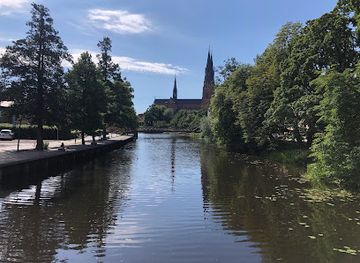
Explore The Royal Palace on the Map
A handpicked selection of must-see spots near The Royal Palace, mapped for you.
Getting There
-
Public transit (metro + short walk)
From central Stockholm take the metro to Gamla stan station; total travel time from Norrmalm is typically 10–15 minutes including platform wait; the station services are frequent but expect busy trains during commuting hours; there is no separate ticket surcharge beyond standard city fares (SEK single-ride fare applies).
-
Tram or bus
Several inner‑city buses and tram routes serve stops within a short walking distance on the city centre side; travel time from central termini is usually 10–20 minutes depending on traffic; daytime services run often but evening frequencies reduce—use local scheduled tickets (SEK single-ride or travel card).
-
Taxi / Ride-hail
Taxi trips from central Stockholm typically take 5–15 minutes depending on traffic and time of day; fares vary by operator but expect a short central trip to cost roughly 120–250 SEK; note that central streets and designated taxi ranks serve the area but parking at the palace is restricted.
-
Walking from Gamla stan area
Walking from the historic centre takes 5–20 minutes depending on your starting point and pace; terrain is largely paved with some cobbles and steps near older streets, so allow extra time if mobility is limited or if you have pushchairs.
For the on-the-go comforts that matter to you
-
 Restrooms
-
 Drink Options
-
 Food Options
-
 Seating Areas
-
 Information Boards
-
 Visitor Center
Discover more about The Royal Palace
Grand baroque architecture and royal function
The Royal Palace rises from the eastern flank of Gamla stan as a disciplined baroque block conceived in the 18th century and executed with later additions; its façades read as a civic palace built to project state authority and courtly ceremony. More than six centuries of royal presence mark the site: beneath the present stone walls lie traces of the medieval Tre Kronor fortress, while the palace you see today was largely shaped by an 18th‑century rebuilding campaign that produced broad parade rooms, formal staircases and façades modelled on Roman palaces.Museums and collections under one roof
The building contains several discrete museum experiences: ceremonial state apartments with gilded salons and painted ceilings; a treasury of regalia and ceremonial objects housed in dim vaults; a museum that interprets the vanished Tre Kronor fortress with its surviving masonry; and a classical antiquities collection created in the age of Gustav III. Together these rooms allow you to move from medieval stone to rococo ornamentation and Neoclassical tastes, encountering royal uniforms, carriages and liturgical fittings along the way.Spaces for ceremony and daily ritual
The palace still functions as a working royal residence and the setting for constitutional and ceremonial duties, so many interiors are arranged to accommodate state receptions, audiences and formal events. Large representation rooms — banquet halls, throne rooms and order halls — were designed to stage sovereignty in public. In the outer courtyards and on the palace esplanade you will find the rhythms of ceremonial guard change and mounted parades that have been staged here for centuries, a highly choreographed reminder of the palace’s living ceremonial role.Material textures and atmospheric contrasts
Inside, surfaces alternate between cool stone vaulting and warm gilt, fresco and rich textiles: polished parquet, heavy drapes, carved woodwork and silvered accoutrements create a tactile palette. The treasury’s low, vault‑like rooms are deliberately hushed and dim to set off metals and gems, while the paraderooms glow under chandeliers and reflected light. Outside, the palace’s stone balustrades and rusticated base sit against the harbor light, with water and skyline lending a greater drama to the façades at dawn and dusk.Stories embedded in architecture
Fragments of the medieval fortress survive in subterranean vaults and in drawings and artefacts that trace catastrophic fire, rebuilding and dynastic change. Furnishings and portraits chart shifts in taste, diplomacy and domesticity — a royal bedchamber can reveal personal histories and state symbolism at once. Carriages and harnesses in service rooms speak to the logistics of court life; state silver and ceremonial regalia in the vaults map centuries of ritual display and legitimacy.Visitor experience and practical character
The palace is spatially varied: hushed cellars and display vaults, spacious ceremonial apartments, working offices and open courtyards. The experience rewards slow movement — pausing to read inscriptions, note heraldic devices, study painted ceiling scenes or imagine the acoustics of a banquet hall. Light changes across the day: morning gives crisp detail to façades, midday fills the parade rooms with even light, and late afternoon emphasizes gilding and shadow within the interiors. The palace’s layered past — fortress, royal residence, public museum — is legible everywhere, offering a compact tour through Sweden’s material and ceremonial history.












Your all‑in‑one travel companion app
Explore expert travel guides, compare and book tours, experiences, hotels, and more—all from the palm of your hand. Download now for seamless trip planning wherever your wanderlust takes you.


Explore More of Uppland
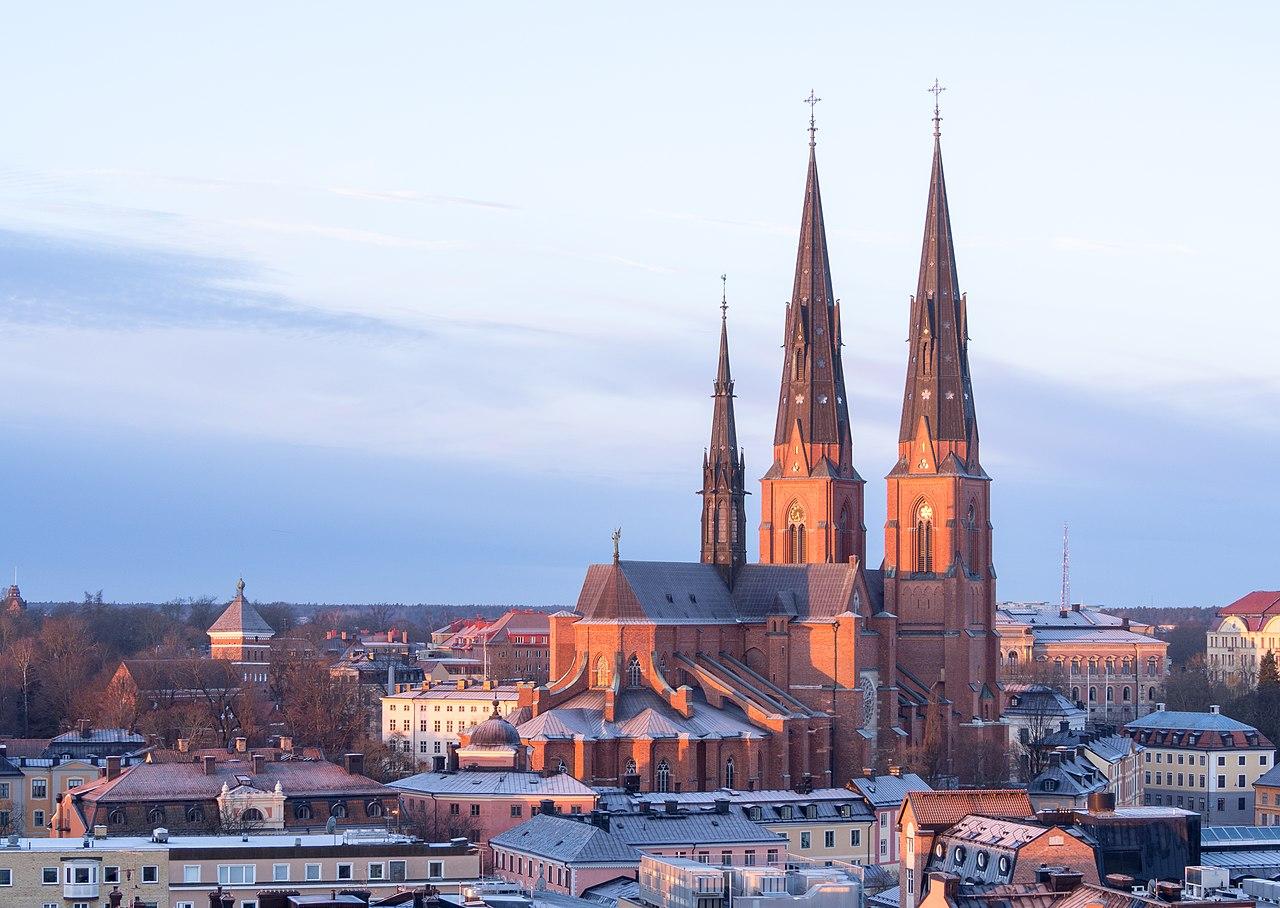
Looking beyond The Royal Palace? Discover Uppland for broader travel guides, local hot-spots, and regional highlights.
Explore Uppland