Ängsö National Park, Uppland Travel Guide
A tiny, flower-rich archipelago island where traditional meadows, coastal rock and old oak woods are preserved by longstanding conservation and grazing.
A small, timeless island park in the northern Stockholm archipelago, Ängsö preserves flower-rich meadows, grazed pastures and old oak woodland shaped by centuries of traditional farming. Established among Sweden’s first national parks in 1909, the island is reachable only by boat and rewards visitors with coastal rock, historic crofts, bird sanctuary areas and a tapestry of seasonal wildflowers that peak in late spring and early summer.
A brief summary to Ängsö National Park
- Stadsgården 22, Stockholm, 116 45, SE
- Click to display
- Click to display
- Duration: 1 to 4 hours
- Free
-
 Outdoor
- Mobile reception: 3 out of 5

Know before you go
Hi, I'm Eve. Here are a few practical things to know before exploring Ängsö National Park.
- Arrive by boat only—plan departure times carefully in spring and summer when public ferries run and boat taxis are available.
- Respect bird sanctuary closures on the eastern shore during the breeding season; observe signage and keep to marked paths.
- Bring water and a picnic; facilities are basic (toilets and picnic/fire sites) and there are no restaurants on the island.
- Wear good footwear—paths can be uneven and some wet sections are bridged by wooden planks; parts are wheelchair-accessible near the main entrance.
Do you manage this location?
Take control to get all the benefits, like improved information, better appearance, and stronger visibility across AI-powered discovery. Learn more about listing your business on Evendo
Activate your presenceOther nearby places you may find interesting
The closest places of the same kind, if this one is not quite what you had in mind.

Explore Ängsö National Park on the Map
A handpicked selection of must-see spots near Ängsö National Park, mapped for you.
Getting There
-
Ferry service
Public archipelago ferries operate seasonally from central Stockholm or nearby harbours with journey times typically ranging from 1.5 to 2.5 hours depending on the route; services are most frequent in late spring and summer, run to timetables, and require a paid ticket (expect around SEK 150–350 one way depending on service and ticket type).
-
Private boat / boat taxi
Hire a private boat or boat taxi from local harbours for direct crossings; travel time is typically 30–90 minutes depending on departure point and sea conditions, availability varies by season and prices commonly range from SEK 600–2,000 for short transfers (book in advance on busy days).
-
Car + ferry from regional harbour
Drive to a nearby ferry departure harbour (regional harbours close to Norrtälje or Furusund), then board the scheduled passenger ferry; combined travel time from central Stockholm is usually 1.5–3 hours depending on drive and ferry schedules, parking at departure harbours is limited and may require payment during summer weekends (expect modest local parking fees).
For the on-the-go comforts that matter to you
-
 Restrooms
-
 Seating Areas
-
 Picnic Areas
-
 Information Boards
Discover more about Ängsö National Park
An island preserved by people and sea
Ängsö National Park occupies a compact, gently varied island landscape in the inner Roslagen archipelago. Created in 1909 to protect traditional meadow and pasture habitats, the park is defined by the meeting of cultivated fields, grazed grasslands and mixed coastal forest. Low stone walls, scattered croft buildings and hedgerows reflect centuries of human stewardship that helped produce the park’s rich flora; the sense here is of a place where nature and historical farming practices coexist rather than one that was left untouched by people.The seasonal show of meadows and wildflowers
The island’s meadows are the principal draw in spring and early summer, when wood anemones, orchids and a profusion of meadow herbs carpet the grasslands. Restoration work to revive old hay meadows is ongoing and aims to strengthen the floral variety visitors see on warm days. In June the flower displays are at their most intense; at other times of year the meadows are quieter but still threaded with botanical interest and different seasonal colours.Coastline, rocks and sheltered bays
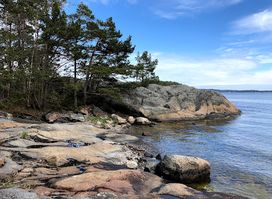
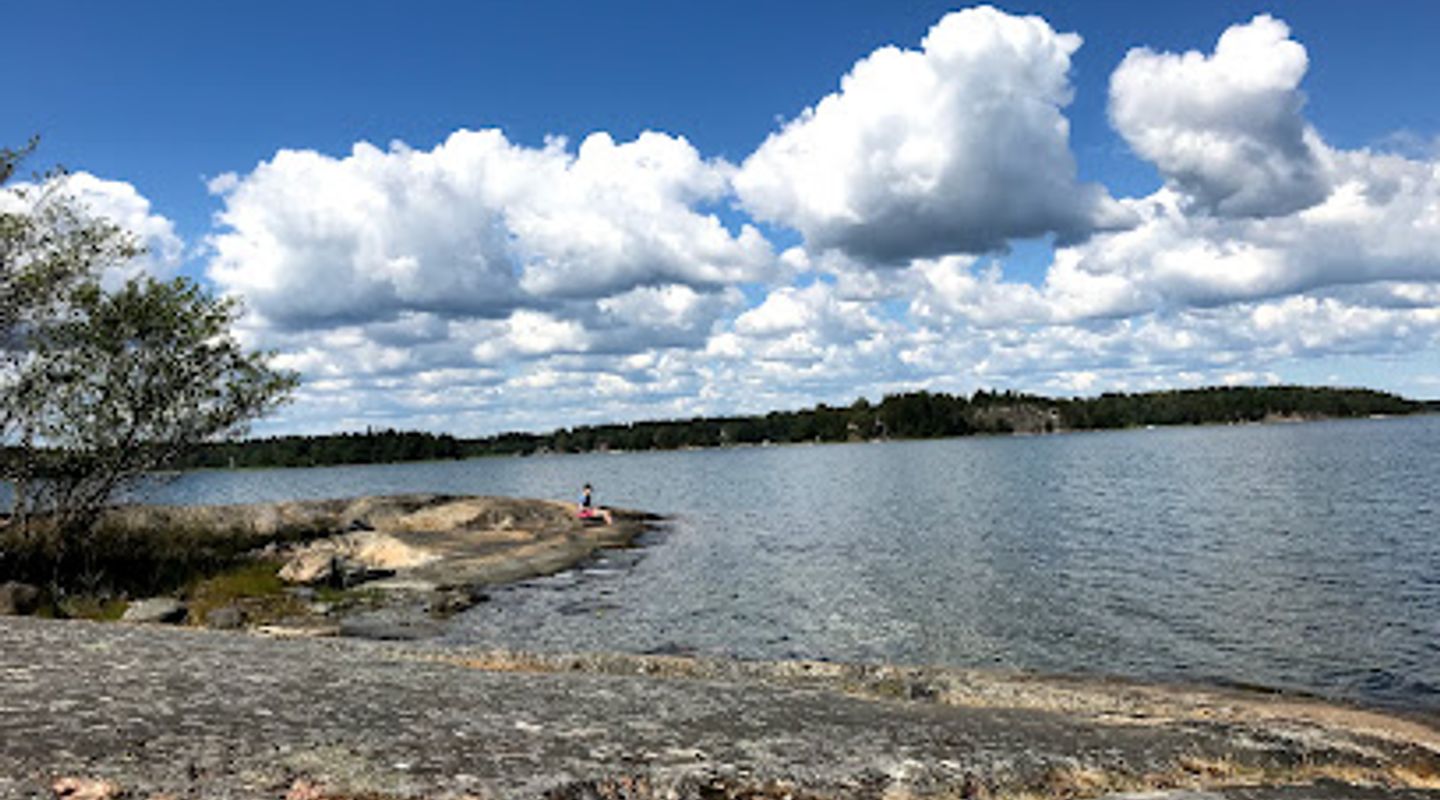
Surrounded by the archipelago’s blue water, Ängsö’s shores combine smooth bedrock, low cliffs and small natural harbours. The coastal edge offers intimate viewpoints over the sea, places to listen to gulls and waves, and rocky ledges that are pleasant for a short rest. Several small landing spots and a main jetty allow boats to tie up; arriving by water leaves a lasting impression of the island’s maritime setting.Woodland, birdlife and protected zones
Parts of the eastern side of the island are designated bird sanctuary and are closed to the public during sensitive breeding months, preserving habitat for sea birds and woodland species. Elsewhere, mixed stands of oak and other broadleaf trees create dappled shade and pockets of old-growth character. The mosaic of habitats—forest, pasture and coast—supports varied wildlife, including deer and many bird species, and gives the island an ecological richness out of proportion to its small size.Visitor character and simple facilities
Facilities on Ängsö are deliberately low-key: a jetty, information boards, picnic and grilling spots and simple outdoor toilets near the main landing area. Trails are mostly short, marked paths and boardwalks cross damp sections. Camping and overnight stays are not permitted within the park, preserving the island’s tranquillity. The atmosphere is pastoral and contemplative rather than commercial—this is a place to slow down, study flowers, and enjoy quiet coastal scenery.History and ongoing conservation
Ängsö’s status as one of Sweden’s original national parks reflects its long-standing cultural landscape and botanical value. Conservation today blends nature protection with active habitat management—traditional grazing and meadow restoration are used to maintain the open character that many plant species depend on. The island thus remains a living example of how human land use and conservation can be combined to sustain biodiversity and cultural landscape values.












Your all‑in‑one travel companion app
Explore expert travel guides, compare and book tours, experiences, hotels, and more—all from the palm of your hand. Download now for seamless trip planning wherever your wanderlust takes you.


Explore More of Uppland
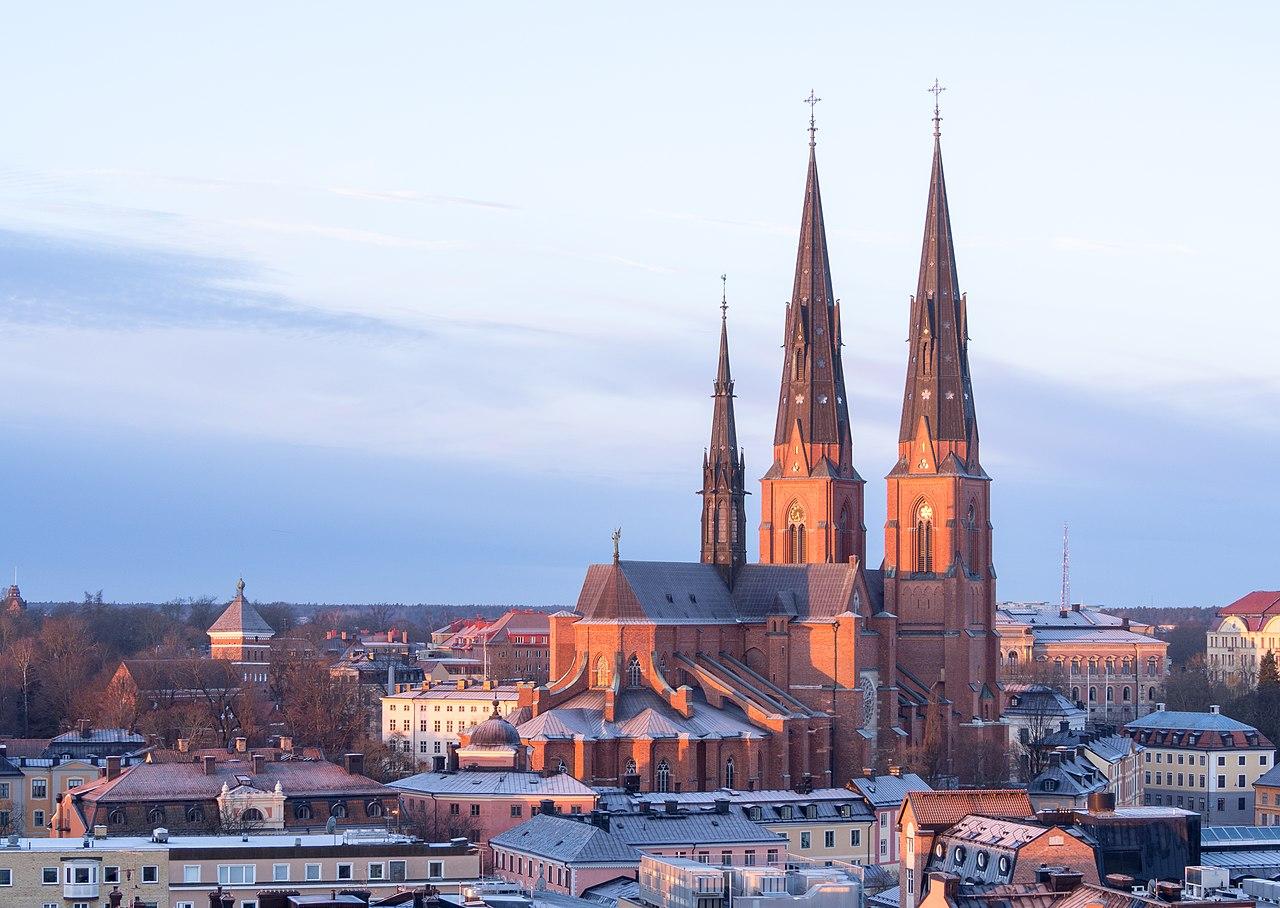
Looking beyond Ängsö National Park? Discover Uppland for broader travel guides, local hot-spots, and regional highlights.
Explore Uppland