
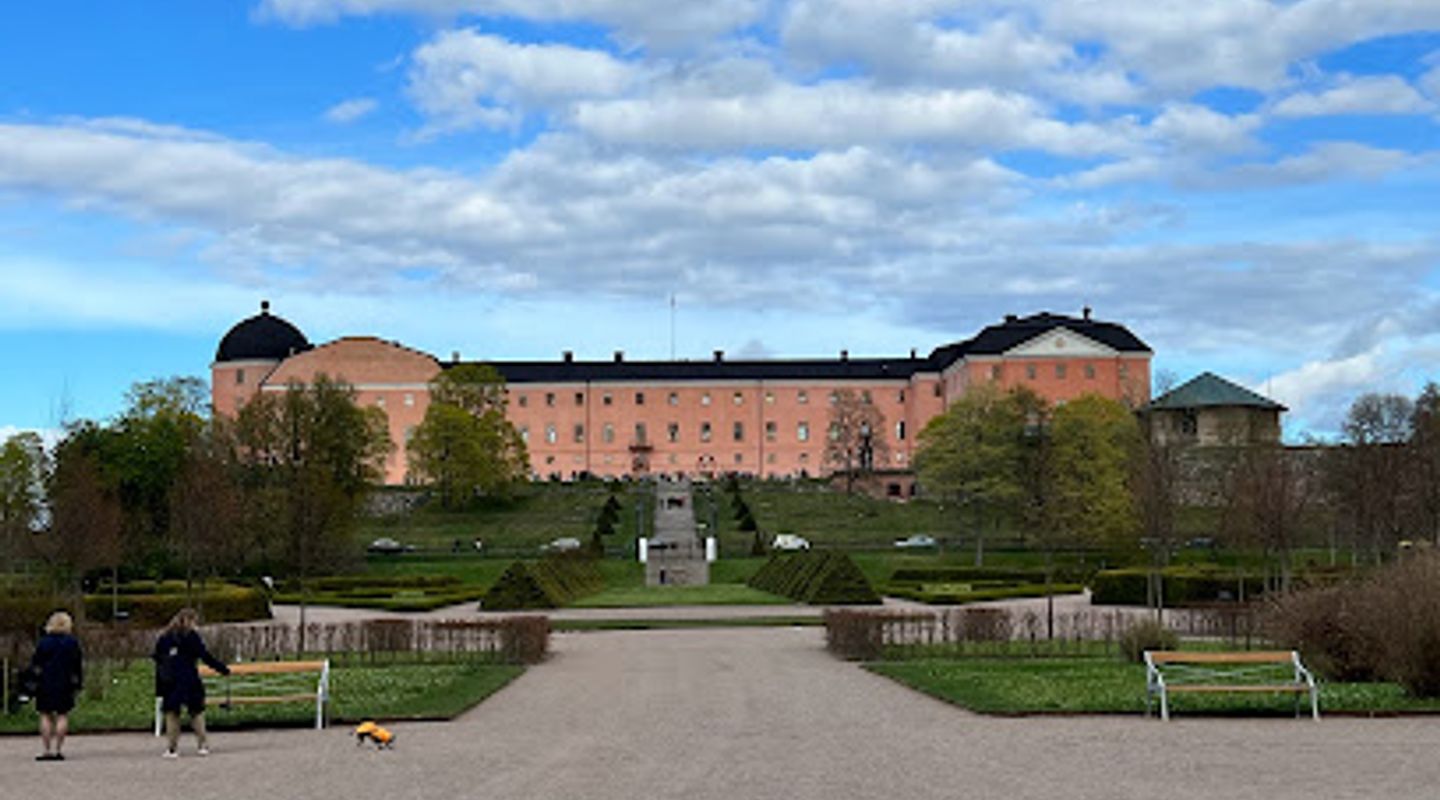
Linneanum, Uppland Travel Guide
Discover Linneanum's timeless orangery: ancient bay trees from Linnaeus's era, rare cacti, and neoclassical elegance in Uppsala's lush Botanical Garden—a botanical time capsule.
Step into Linneanum, a neoclassical gem in Uppsala's Botanical Garden, housing one of Sweden's rare surviving orangeries. Home to Linnaeus's ancient bay laurels, century-old cacti, and Mediterranean plants, it serves as a living link to 18th-century botany. Plants retreat here in winter, freeing the elegant halls for exhibitions and events during summer. Open Tuesday to Friday, 9am-3pm, with free admission.
A brief summary to Linneanum
- Thunbergsvägen 6, Uppsala, 752 38, SE
- Click to display
- Click to display
- Duration: 0.5 to 1.5 hours
- Free
-
 Indoor
- Mobile reception: 5 out of 5
- Tuesday 9 am-3 pm
- Wednesday 9 am-3 pm
- Thursday 9 am-3 pm
- Friday 9 am-3 pm

Know before you go
Hi, I'm Eve. Here are a few practical things to know before exploring Linneanum.
- Visit in winter to see the orangery at its lush peak, filled with citrus trees and cacti sheltered from the cold.
- Admire the 250-year-old Linnélagrarna bay laurels, direct survivors from Carl Linnaeus's own collection.
- Time your visit for summer when plants move out, revealing the hall's grandeur for potential exhibitions.
- Explore nearby Thunbergssalen for a glimpse into 18th-century natural history collections.
- Note the possibly Linnaeus-tended pillar cactus, one of Uppsala's oldest cultivated specimens.
Do you manage this location?
Take control to get all the benefits, like improved information, better appearance, and stronger visibility across AI-powered discovery. Learn more about listing your business on Evendo
Activate your presenceOther nearby places you may find interesting
The closest places of the same kind, if this one is not quite what you had in mind.
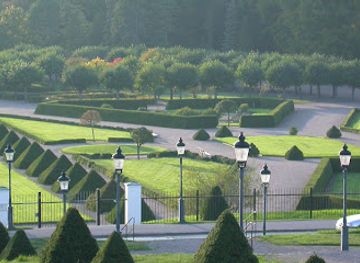
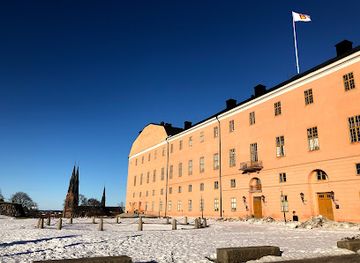


Explore Linneanum on the Map
A handpicked selection of must-see spots near Linneanum, mapped for you.
Unlock the Best of Linneanum
Buy tickets
-
No tickets available
Book tours with entry
-
No tours available
Book tours without entry

Getting There
-
Bus
Take bus 20 or 115 from Uppsala Central Station to Botaniska trädgården stop, 10-15 minutes, runs every 15-30 minutes, single ticket 28 SEK.
-
Walking
Walk from Uppsala Castle along Thunbergsvägen, 15-20 minutes on paved paths, gently sloped terrain suitable for most fitness levels.
-
Bicycle
Cycle from city center via Dag Hammarskjölds väg to Thunbergsvägen entrance, 8-12 minutes, bike racks available on-site, no rental fees.
-
Taxi
Taxi from Uppsala train station, 5-8 minutes depending on traffic, limited parking nearby, fares 150-250 SEK.
For the on-the-go comforts that matter to you
-
 Restrooms
-
 Drink Options
-
 Food Options
-
 Seating Areas
-
 Information Boards
Discover more about Linneanum
Neoclassical Tribute to Linnaeus
Linneanum stands as a striking neoclassical edifice within Uppsala University's Botanical Garden, constructed between 1787 and 1807 on land donated by King Gustav III. Designed by architects Olof Tempelman and Louis Jean Despréz, it honors Carl Linnaeus, the father of modern taxonomy, inaugurated on the centenary of his birth in 1807. The building's southern wing shelters the orangery, a rare survivor from Sweden's orangery golden age in the late 1600s to early 1800s, where delicate plants endure harsh winters before parading outdoors in summer.Inside, the frigidarium nurtures iconic specimens: Linnaeus's own bay laurels, cultivated in massive tubs for over 250 years, alongside figs, oranges, olives, and a century-old agave. The space exudes historical resonance, with plants evoking Mediterranean groves amid Sweden's chill.Ancient Cacti and Exotic Collections
The orangery boasts a remarkable cactus collection of 150 species, including the venerable Cereus hildmannianus pillar cactus, possibly tended by Linnaeus himself since the 1720s. These resilient succulents thrive in the controlled environment, their spiny forms contrasting the lush citrus trees. In winter, the hall fills with bay trees, oleanders, and palms, creating a verdant sanctuary that transports visitors to subtler climes.During warmer months, from May to October, these plants migrate to the surrounding baroque garden, transforming the emptied orangeriet into a venue for art exhibitions, concerts, and private gatherings. The interplay of cultivation and culture underscores Linneanum's dual role as botanical archive and cultural hub.Architectural Splendor and Restored Halls
Beyond the orangery, Linneanum houses the opulent Linnésalen and Thunbergssalen, restored to their original grandeur for the 2007 Linnaeus bicentennial. Thunbergssalen, named for Linnaeus's disciple Carl Peter Thunberg—who championed the building's creation—once displayed his vast natural history collections, including exotic specimens from his travels in South Africa and Japan. Original herbarium cabinets line the walls, preserving echoes of Enlightenment-era science.The structure's nyklassisk facade anchors the garden's baroque parterres, designed by Carl Hårleman, blending symmetry and natural beauty in one of Europe's oldest preserved formal gardens.Seasonal Rhythms and Botanical Legacy
Linneanum embodies the Botanical Garden's evolution from Uppsala Castle's grounds to a global plant repository of 8,000 species. Linnaeus's influence permeates: he championed sensory learning here, rearranging earlier gardens and pioneering temperature scales. Today, the orangery continues this tradition, safeguarding biodiversity while inviting contemplation of botany's past and present.Winter reveals the garden's stark baroque geometry under snow, with the orangery's warmth drawing those seeking refuge. Spring awakens with blooms, as plants return to their outdoor beds, perpetuating a 300-year cycle of care and renewal.












Your all‑in‑one travel companion app
Explore expert travel guides, compare and book tours, experiences, hotels, and more—all from the palm of your hand. Download now for seamless trip planning wherever your wanderlust takes you.


Explore More of Uppland

Looking beyond Linneanum? Discover Uppland for broader travel guides, local hot-spots, and regional highlights.
Explore Uppland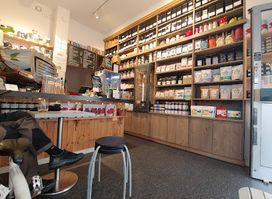
A compact specialty coffee bar and tea merchant in central Uppsala, known for carefully sourced beans, hand-brewed drinks and curated artisan pantry items.

A neoclassical orangery where living heritage plants, venerable laurels and a rich cactus collection meet Uppsala’s botanical teaching tradition.
