
Mörby Castle, Uppland Travel Guide
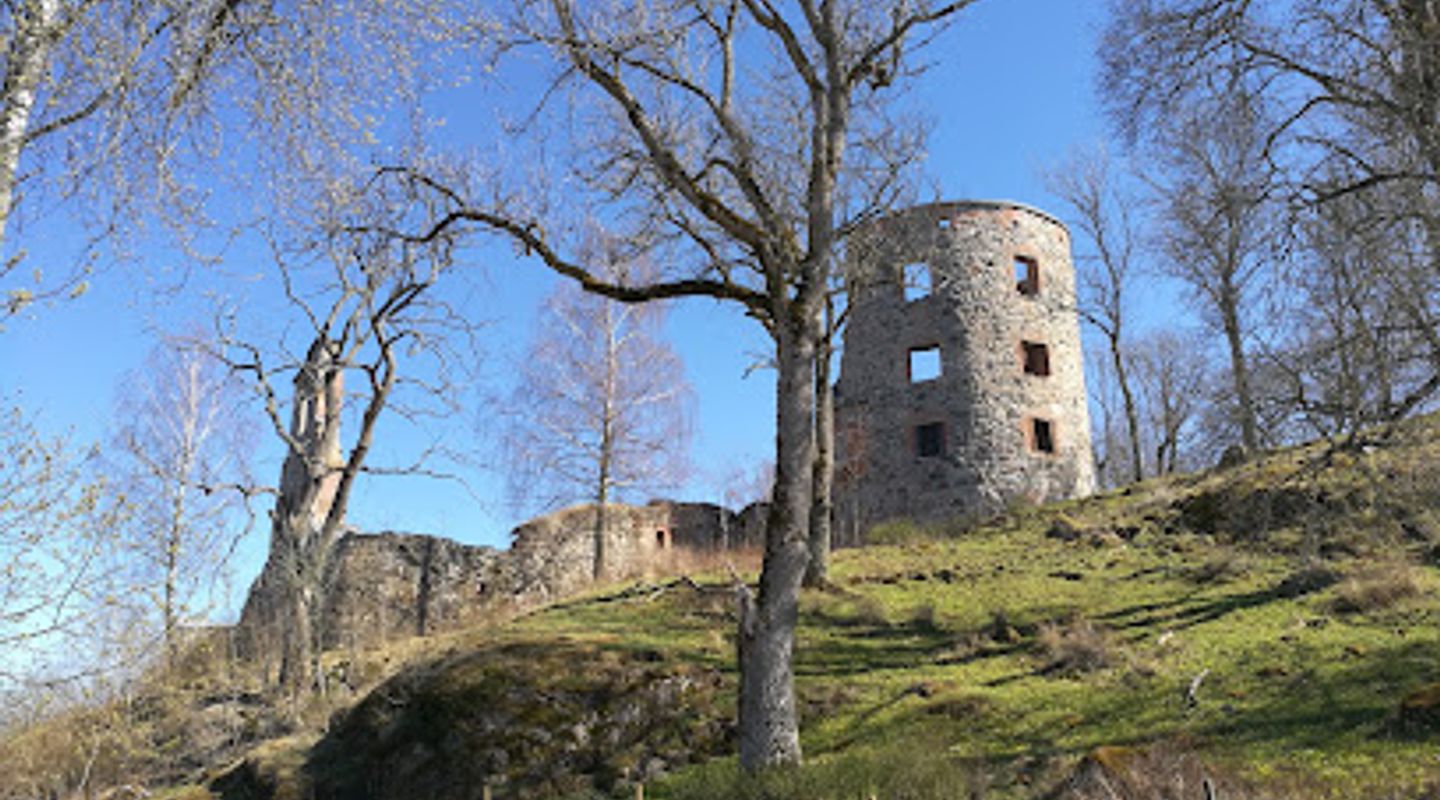
Mossy stone fragments of a 14th–16th-century manor stand quietly in Uppland countryside, a compact ruin that reveals centuries of noble life.
Mörby Castle is a centuries-old ruined stronghold near Rånäs in Uppland, Sweden, where moss-clad stone walls and fragments of Renaissance masonry rise from a quiet meadow. Once a fortified manor with 16th-century additions and ties to noble families, the ruin now offers a compact, atmospheric glimpse of medieval and early modern Swedish estate architecture set in pastoral countryside, popular with walkers, photographers and history buffs.
A brief summary to Mörby Castle
- Mörby Gård, Rånäs, 762 96, SE
- Duration: 0.5 to 2 hours
- Free
-
 Outdoor
- Mobile reception: 3 out of 5

Know before you go
Hi, I'm Eve. Here are a few practical things to know before exploring Mörby Castle.
- Wear sturdy shoes: ground around the ruins can be uneven and grassy, especially after rain.
- Bring a field guide or take photos of masonry details — inscriptions and stonework are best examined up close.
- Visit at golden hour for warm light on the stone and quieter ambience for photography.
Do you manage this location?
Take control to get all the benefits, like improved information, better appearance, and stronger visibility across AI-powered discovery. Learn more about listing your business on Evendo
Activate your presenceOther nearby places you may find interesting
The closest places of the same kind, if this one is not quite what you had in mind.

Explore Mörby Castle on the Map
A handpicked selection of must-see spots near Mörby Castle, mapped for you.
Getting There
-
By car
Private car: typical drive times from nearby regional centres are about 25–45 minutes depending on origin; parking is informal near the site and may be limited or soft ground—avoid relying on marked lots and expect seasonal restrictions. There is no regular paid parking facility on site, so allow extra time to find a suitable stopping place.
-
Regional bus plus walk
Bus and walk: regional buses serve nearby settlements with a further walk of approximately 20–40 minutes over country lanes and grassy tracks to reach the ruin; service frequency can be low outside weekday peaks, and terrain during wet seasons can be muddy so plan for slower walking times.
-
Longer rural walk or cycle
Cycle or hike: allow 30–90 minutes on rural tracks from the nearest village depending on route and fitness; tracks are generally unpaved and may be uneven or slippery in wet weather—suitable footwear and a reliable bicycle with puncture-resistant tyres are recommended.
For the on-the-go comforts that matter to you
-
 Seating Areas
-
 Trash Bins
-
 Information Boards
Discover more about Mörby Castle
Origins and noble connections
Mörby appears in records from the late 14th century as a fortified farmstead that grew into a manor and later a castle, with major rebuilding in the 1500s when local noble families reshaped the site in Renaissance fashion. The surviving fabric — low curtain walls, scattered foundation courses and the footprints of towers — tells of a place that evolved from timber and earthwork beginnings into a stone residence shaped by shifts in status, ownership and military technology.Architecture remembered in ruin
Although what stands today is fragmentary, the masonry shows the hand of early modern masons: dressed stones, remnant window and door openings, and the base of what would once have been defensive towers. The layout reads as a compact stronghold rather than a sprawling palace, with the ruin’s fragments arranged round a central yard that would once have been the heart of the household and its everyday activity.Landscape and setting
Mörby sits within a gently rolling rural landscape of fields, meadows and small woodlands typical of Uppland; the ruin’s low silhouette often appears framed by birch and pine on clear days. The site has a calm, pastoral character — seasonal wildflowers and grass soften the stones in summer, while low winter light emphasizes textures and the ruin’s weathered surfaces.Layers of history and local tales
The place carries layered stories: medieval origins, Renaissance enlargement, and later phases of decline that left only ruins. Local tradition and a scattering of folklore surround such sites — tales of earlier strongholds on the same hill and of a succession of owners whose fortunes shaped the building’s rise and fall. Those layers are legible in the stones themselves and in the way the ruin sits quietly in the landscape.Visiting the ruins: what you'll notice
Approach on foot across meadow or track and you’ll find low grass paths, benches in some seasons and views of exposed stonework inviting slow inspection. Birdsong and the scent of grass often predominate; the ruin rewards a close look at mortar joints, lichen patterns and the alignment of remaining walls that hint at lost rooms and courtyards. The site is compact enough to explore thoroughly in under an hour but generous for repeated slow visits.Conservation and character
Mörby’s ruined state is part of its appeal: it preserves an evocative cross-section of centuries rather than a single restored period. The ruin’s modest scale means conservation measures focus on stabilising masonry and preventing vegetation damage while keeping the site’s informal, open character. For those interested in vernacular ruin aesthetics or the archaeology of country houses, Mörby offers an immediate, tactile encounter with Sweden’s layered rural past.












Your all‑in‑one travel companion app
Explore expert travel guides, compare and book tours, experiences, hotels, and more—all from the palm of your hand. Download now for seamless trip planning wherever your wanderlust takes you.


Explore More of Uppland

Looking beyond Mörby Castle? Discover Uppland for broader travel guides, local hot-spots, and regional highlights.
Explore Uppland
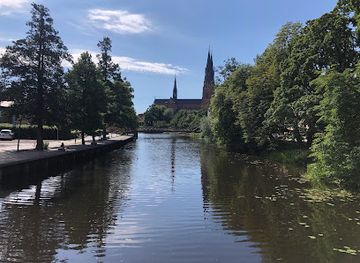
A riverside folkpark in Uppsala where live dance, music and relaxed riverside greenery meet in a classic community setting.
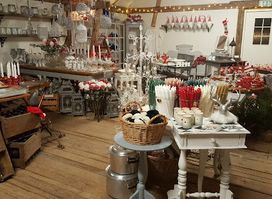
A cosy converted farmhouse near Rånäs where home‑baked fika meets a rabbit warren of antiques, second‑hand clothes and handmade homewares.
