Örbyhus Castle, Uppland Travel Guide
A fortified 15th‑century keep woven into a Baroque palace — home to an infamous royal prison, an orangery and a picturesque park beside Lake Vendelsjön.
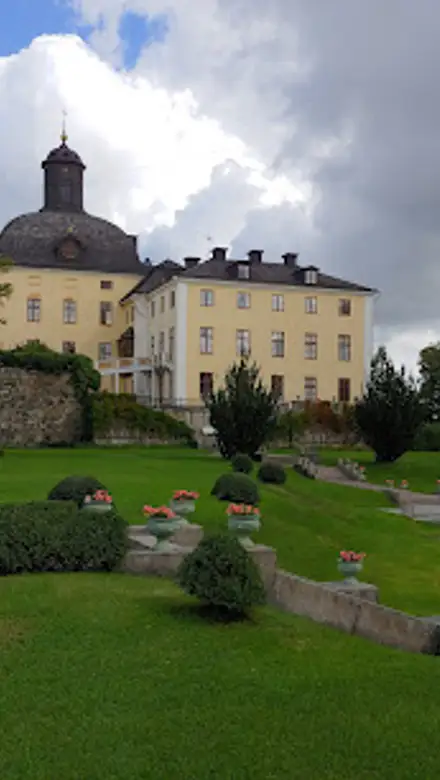
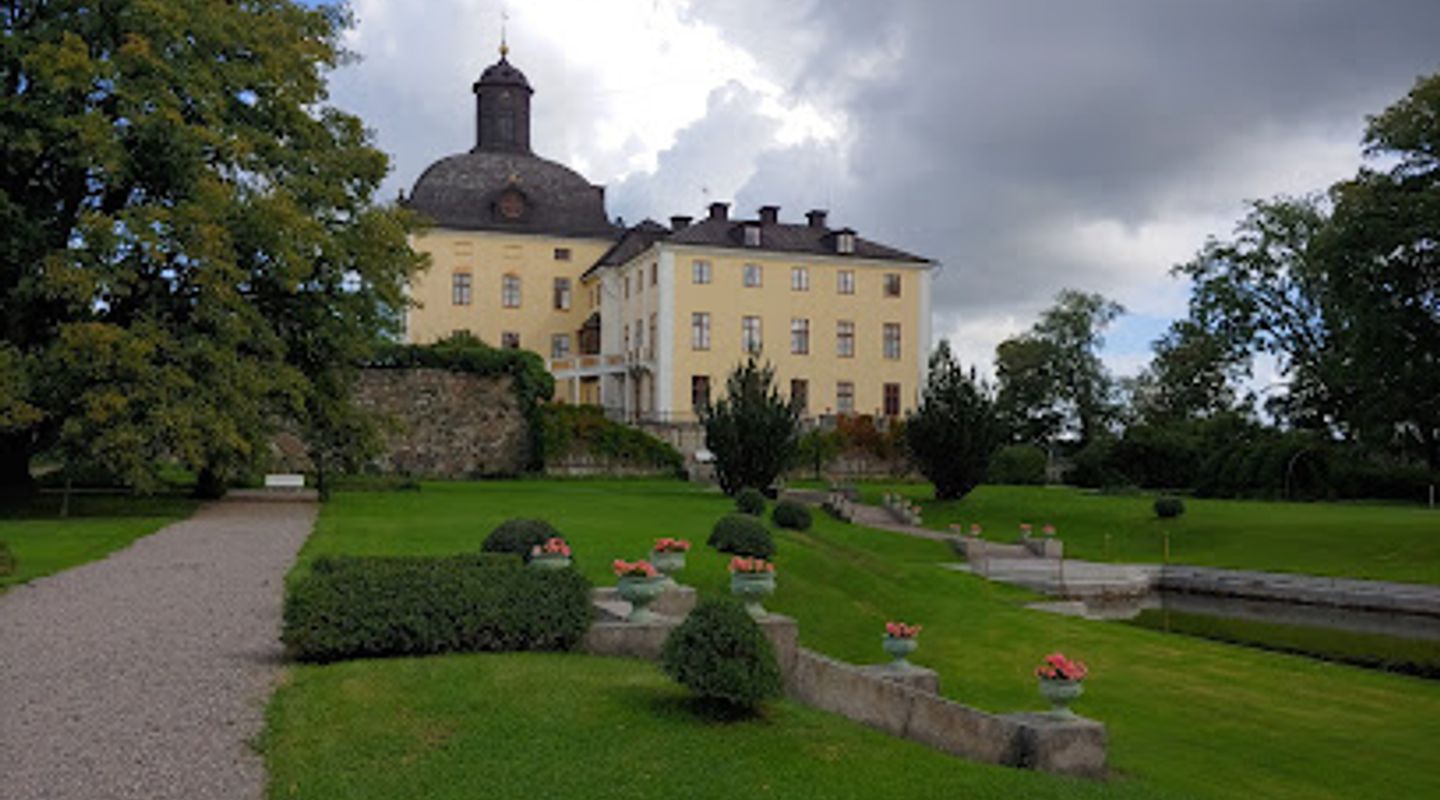
Örbyhus Castle is a layered historic estate in northern Uppland whose core is a 15th‑century stone keep set within a later Baroque mansion and extensive parkland beside Lake Vendelsjön. Known for its medieval tower, orangery and a notorious chapter in Swedish history as the final prison and death place of King Erik XIV, the site now offers guided tours, concerts in the orangerie, a carriage museum and a cafe within an atmospheric landscaped setting.
A brief summary to Örbyhus Castle
- Örbyhus slott 112, Örbyhus, 748 95, SE
- Click to display
- Duration: 0.5 to 3 hours
- Mid ranged
-
 Mixed
Mixed
- Mobile reception: 4 out of 5

Know before you go
Hi, I'm Eve. Here are a few practical things to know before exploring Örbyhus Castle.
- Check publicised guided‑tour times for access to the tower cell and carriage museum; tours are seasonal and may be limited outside summer months.
- Allow time to stroll the park and visit the orangery — these offer good photographic opportunities at golden hour.
- If attending a concert, book in advance; the orangerie sessions are intimate and often held on specific summer evenings.
- There’s an on‑site cafe and a nearby club restaurant housed in former estate buildings; check seasonal opening times before planning a meal.
Do you manage this location?
Take control to get all the benefits, like improved information, better appearance, and stronger visibility across AI-powered discovery. Learn more about listing your business on Evendo
Activate your presenceOther nearby places you may find interesting
The closest places of the same kind, if this one is not quite what you had in mind.

Explore Örbyhus Castle on the Map
A handpicked selection of must-see spots near Örbyhus Castle, mapped for you.
Getting There
-
Car
Private car from nearby regional centres — typical drive time from Uppsala is about 45–60 minutes depending on traffic; parking is available on site but may incur a small seasonal fee and space is limited during events.
-
Regional bus
Regional bus services run between Tierp/Örbyhus and surrounding towns with a travel time in the range of 30–50 minutes from Tierp; service frequency varies by weekday and season so consult local timetables before travelling and expect limited runs on weekends.
-
Guided day‑tour
Organised coach day‑tours from regional cultural‑tour operators link Örbyhus with neighbouring historic sites; tours typically last a half‑ to full‑day (4–8 hours) and cost varies by operator and inclusions — expect a per‑person range consistent with regional excursion pricing.
For the on-the-go comforts that matter to you
-
 Restrooms
-
 Drink Options
-
 Food Options
-
 Seating Areas
-
 Information Boards
Discover more about Örbyhus Castle
Medieval heart and defensive origins
The oldest fabric at Örbyhus is a square stone keep erected in the mid‑15th century by Johan Kristiernsson (Vasa); this sturdy tower was built as a defensive strongpoint on marshy ground beside Lake Vendelsjön and still forms the structural nucleus of the complex. Traces of the original fortifications — fragments of curtain wall, cannon openings and subterranean casemates — remain woven into later fabric and hint at the castle’s role as a regional fortress during the late Middle Ages.A royal prison with a dramatic past
During the 16th century the estate passed into Gustav Vasa’s hands and was strengthened with ramparts and a high stone wall: from that era Örbyhus became noted as a state prison. Its most famous incarcerated resident was King Erik XIV, who was transferred here in the 1570s and died in captivity in 1577. The story of his confinement and death — long part of the site’s historical identity — is visible in the tower’s austere rooms and the narratives presented in guided tours.Baroque remodelling and layered interiors
In the 17th century Gustav Banér remodelled the fortress into a Baroque residence; the medieval keep was incorporated into a three‑storey brick palace with projecting wings that form a courtyard. Later 19th‑ and early‑20th‑century renovations altered proportions and interiors again, so the castle you see today is a collage of periods: medieval masonry, baroque façade details and subsequently refurbished salons, each room preserving decorative elements from distinct eras.Park, orangery and the castle ensemble
The castle sits within extensive parkland that includes an orangery from the 1820s, tree‑lined avenues, carriage houses and ancillary estate buildings that reflect its long agricultural and household history. The park makes the site as much a landscape attraction as an architectural one: broad lawns, mature specimen trees and views across Vendelsjön create restful spaces for promenades, picnics and seasonal events held in the orangerie and grounds.Living traditions: music, museums and hospitality
Örbyhus remains an active cultural venue. During the summer the orangerie hosts concerts and chamber music; parts of the estate house a carriage museum, exhibition studio spaces and a small café tied to a nearby golf club that occupies former estate buildings. These uses maintain the site’s atmosphere — historic rooms repurposed for contemporary cultural life while retaining their architectural identity.What to look for on site
Visitors should note the contrast between the fortress-like tower and the softer baroque wings: look for surviving cannon embrasures, the coat of arms incorporated into the eastern façade, the orangery’s classical proportions and the carriage collection’s period vehicles. Subtle archaeological traces in the park and the layered building fabric reward those who pause to compare masonry, cornices and window treatments as evidence of centuries of change.












Your all‑in‑one travel companion app
Explore expert travel guides, compare and book tours, experiences, hotels, and more—all from the palm of your hand. Download now for seamless trip planning wherever your wanderlust takes you.


Explore More of Uppland
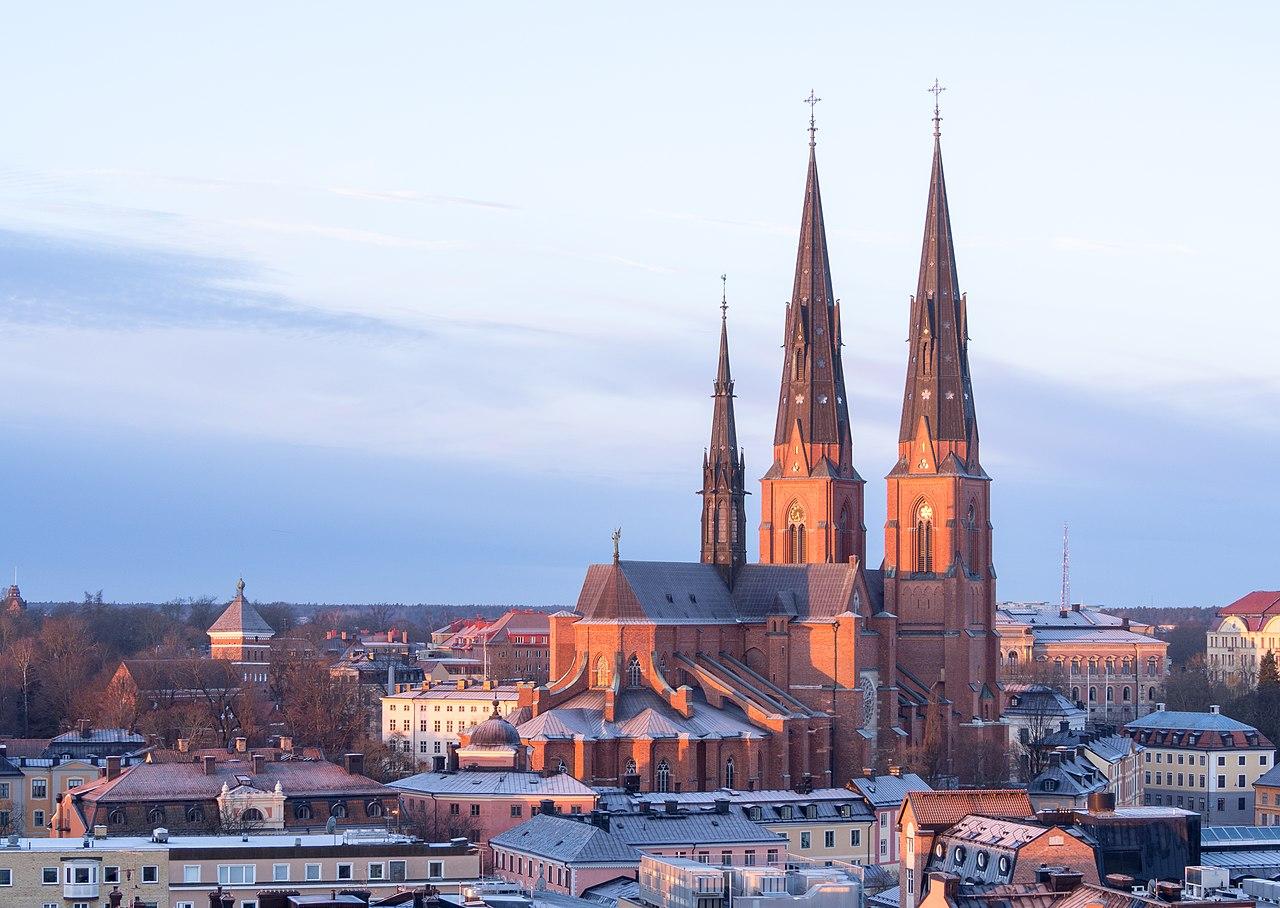
Looking beyond Örbyhus Castle? Discover Uppland for broader travel guides, local hot-spots, and regional highlights.
Explore Uppland