Skokloster Castle Travel Guide
Free Guide: A superbly preserved 17th‑century Baroque castle on a Lake Mälaren peninsula — famed for its armoury, library and the haunting Unfinished Hall.


A brief summary of Skokloster Castle
A superbly preserved 17th‑century Baroque castle on a Lake Mälaren peninsula — famed for its armoury, library and the haunting Unfinished Hall.
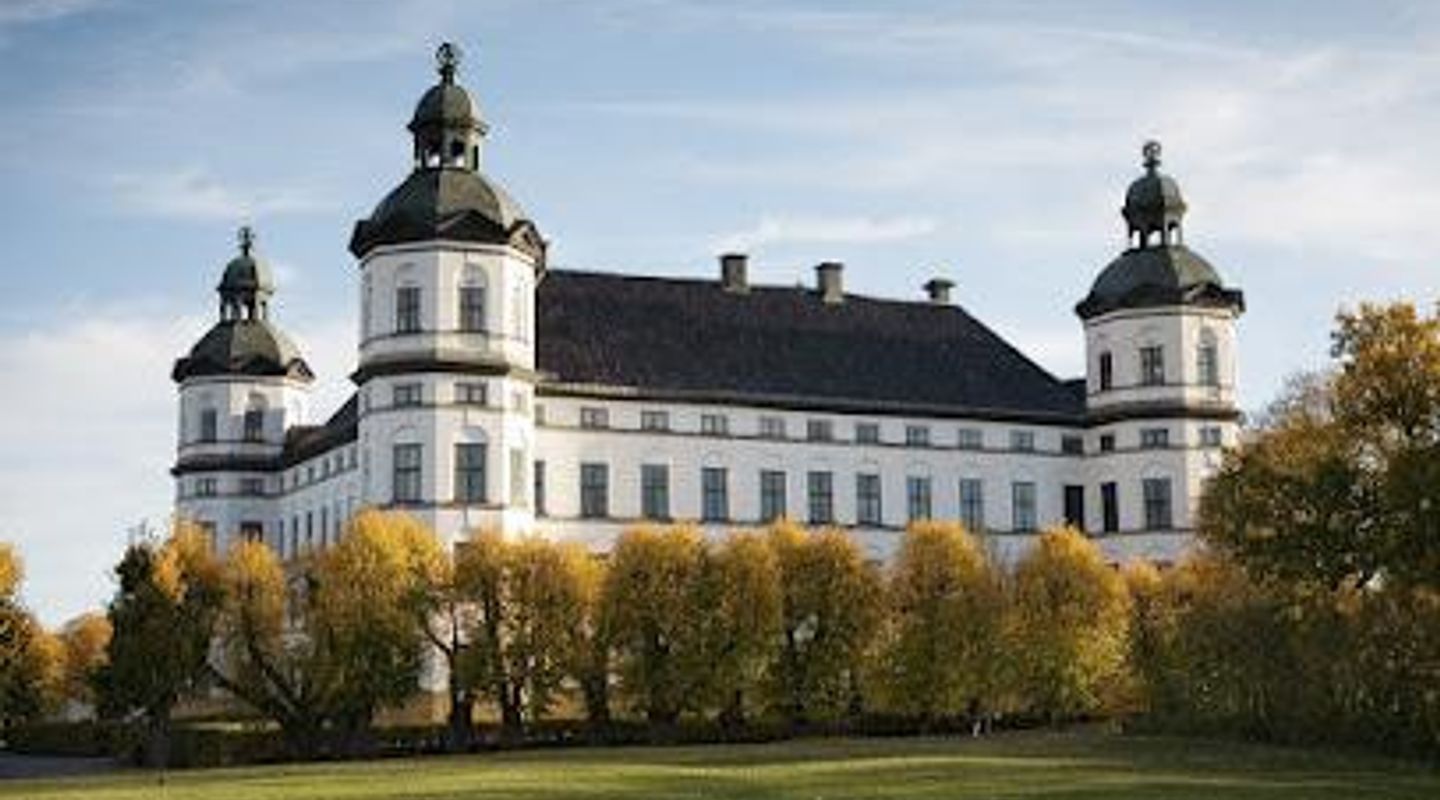
Perched on a wooded peninsula of Lake Mälaren, Skokloster Castle is one of northern Europe’s finest 17th‑century Baroque palaces, built 1654–1676 for Count Carl Gustaf Wrangel. The fortress‑like exterior with four towers hides richly furnished state rooms, an extraordinary armoury and a nearly intact unfinished banqueting hall that preserves the building site’s tools and scaffolding. The site is a state museum with extensive collections in over 70 rooms and a peaceful castle park beside the water.
On-site amenities
 Restrooms
 Drink options
 Food options
 Seating areas
 Information boards
- Address
- 746 96 Skokloster
- Phone
- Website
Getting there
Regional bus
Car
Organised day tour or coach
Discover more about Skokloster Castle
A palace born from power and warfare
Skokloster Castle was conceived during the Swedish Empire when military success created fortunes to be displayed in stone and timber. Commissioned by Count and Field Marshal Carl Gustaf Wrangel, the castle’s shell rose from 1654 and the exterior was largely finished by 1668; work on interiors and fittings continued until Wrangel’s death in 1676. The result is a monumental Baroque complex whose scale and defensive silhouettes speak to the era’s blend of military prestige and princely ambition. Many period architects contributed to the design and the building stands today as a physical statement of 17th‑century aristocratic identity.
The Unfinished Hall and the archaeology of craft
One of Skokloster’s most remarkable features is the so‑called Unfinished Hall: a banqueting space abandoned the year Wrangel died and left with scaffolding, tools and workman’s marks intact. That preservation gives visitors a rare, museum‑quality snapshot of contemporary construction techniques and site practice. Alongside this are workshops of material culture: the armoury with its extensive weapons and armour, carpentry traces, and preserved inventories that together map the logistics of creating a country seat in hard, wartime decades.
Collections that trace taste and travel
Across some seventy‑plus rooms the castle houses tens of thousands of objects: paintings, textiles, furniture, silverware, porcelain, natural history specimens, globes and a large library of rare volumes. The collection grew both from Wrangel’s own acquisitions and later inheritances; a legal entail prevented dispersal of many items, leaving an unusually coherent ensemble. Highlights include richly furnished staterooms that show evolving domestic styles, emblematic Baroque paintings and the castle’s famous Vertumnus image, all set within interiors that retain patina and historical fixtures.
Atmosphere of water, woodlands and designed grounds
Skokloster occupies a narrow Sko Peninsula on Lake Mälaren and reads as much as landscape feature as fortified house. From the outside the castle’s four corner towers and pale façades reflect in the water; within, windows frame wooded shores, reedbeds and long seasonal light across the lake. The grounds include surviving elements of historic gardens and a family ‘paradise’ area now used for quiet play and contemplation. The juxtaposition of formal Baroque geometry and the lake’s organic edge gives the site its memorable sense of place.
Conservation, authenticity and modern stewardship
Unlike many grand houses, Skokloster has benefitted from conservation choices that emphasise authenticity: restoration programmes have used traditional materials and techniques to retain original finishes and the atmospheric patina of age. Since becoming a state museum in the 1960s the site has been managed to conserve both fabric and collections while opening the castle for exhibitions, seasonal guided tours and special events. That approach preserves not only objects but also the spatial experience of a seventeenth‑century aristocratic household.
What the rooms feel like today
Walking the halls you move from dim, high‑ceilinged chambers warmed by the colour of old timber to rooms where gilt and velvet remain intact; the armoury resonates with the visual weight of steel and leather; the Unfinished Hall introduces a surprising, almost archaeological quiet. The sensory palette is varied – the slight chill of thick stone walls, the shadowed depth of stairways, the soft echo of footsteps on centuries‑worn floors – and the whole estate reads as a layered narrative of craft, collection and landscape.
Evendo Review Centre
 Google
Guest reviews
Best time to go
Quietest: Jan, Feb & Mar · before 8am or from 8pm
Busy times are Evendo estimates for a typical year, to help you plan. Actual crowds vary with events, school holidays and the weather.
Explore Skokloster Castle on the map
A handpicked selection of must-see spots near Skokloster Castle, mapped for you.
Get your free copy of our complete guide to Skokloster Castle, delivered straight to you.
Everything on this page, from opening hours and how to get there to Eve’s tips and the best time to go, in one PDF you can read offline, print or share.
Already have an account? Sign in
Your Skokloster Castle guide is ready.
We'll send it to · Not you? Sign out

Getting your guide ready…
We are putting together a fresh copy of the Skokloster Castle guide. This can take up to a minute.
This can take a few moments. If your browser asks, choose Allow so the download can start. You'll find the guide in your Downloads folder.
Nothing happened? Download it again
Sorry, the guide is taking longer than usual. Please try again in a minute, or get it by email instead.
Unlock the best of Skokloster Castle
Skip-the-line tickets, guided tours with entry, and walking tours of the area, booked in a few clicks.


Other nearby places you may find interesting
The closest places of the same kind, if this one is not quite what you had in mind.
-
-
-
-
-


Swipe for more places
More to explore near Skokloster Castle

 Best experiences near Skokloster Castle

 Best hotels near Skokloster Castle

 Best landmarks near Skokloster Castle

 Best attractions near Skokloster Castle

 Best shops near Skokloster Castle

 Best restaurants near Skokloster Castle

 Best bars near Skokloster Castle
Do you manage this location?
Take control to get all the benefits, like improved information, better appearance, and stronger visibility across AI-powered discovery.
Explore more

Explore more of Uppland
Discover Uppland, Sweden's historic province, with its mix of vibrant cities, serene countryside, ancient Viking sites, and rich cultural heritage.
Explore Uppland
Explore more of Sweden
Discover Sweden's breathtaking landscapes, vibrant cities, and rich cultural heritage. From the Northern Lights to historic castles, experience the essence of Scandinavia.
Explore Sweden