Vasa Museum Travel Guide
Free Guide: See Vasa — a colossal, beautifully carved 17th‑century warship preserved and displayed in a dramatic purpose‑built museum on Djurgården.


A brief summary of Vasa Museum
See Vasa — a colossal, beautifully carved 17th‑century warship preserved and displayed in a dramatic purpose‑built museum on Djurgården.
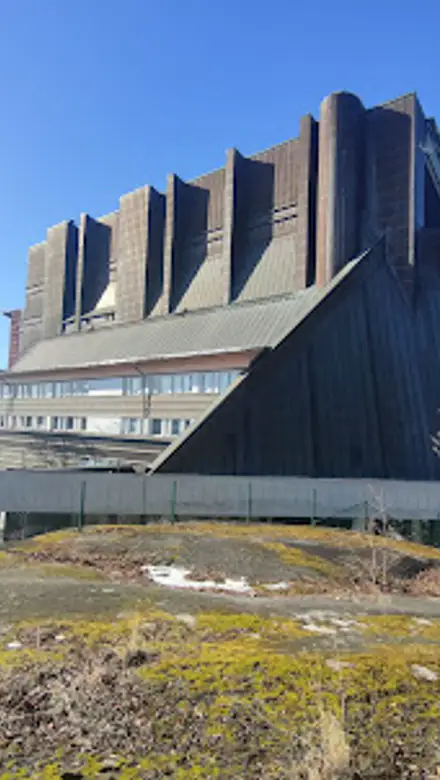
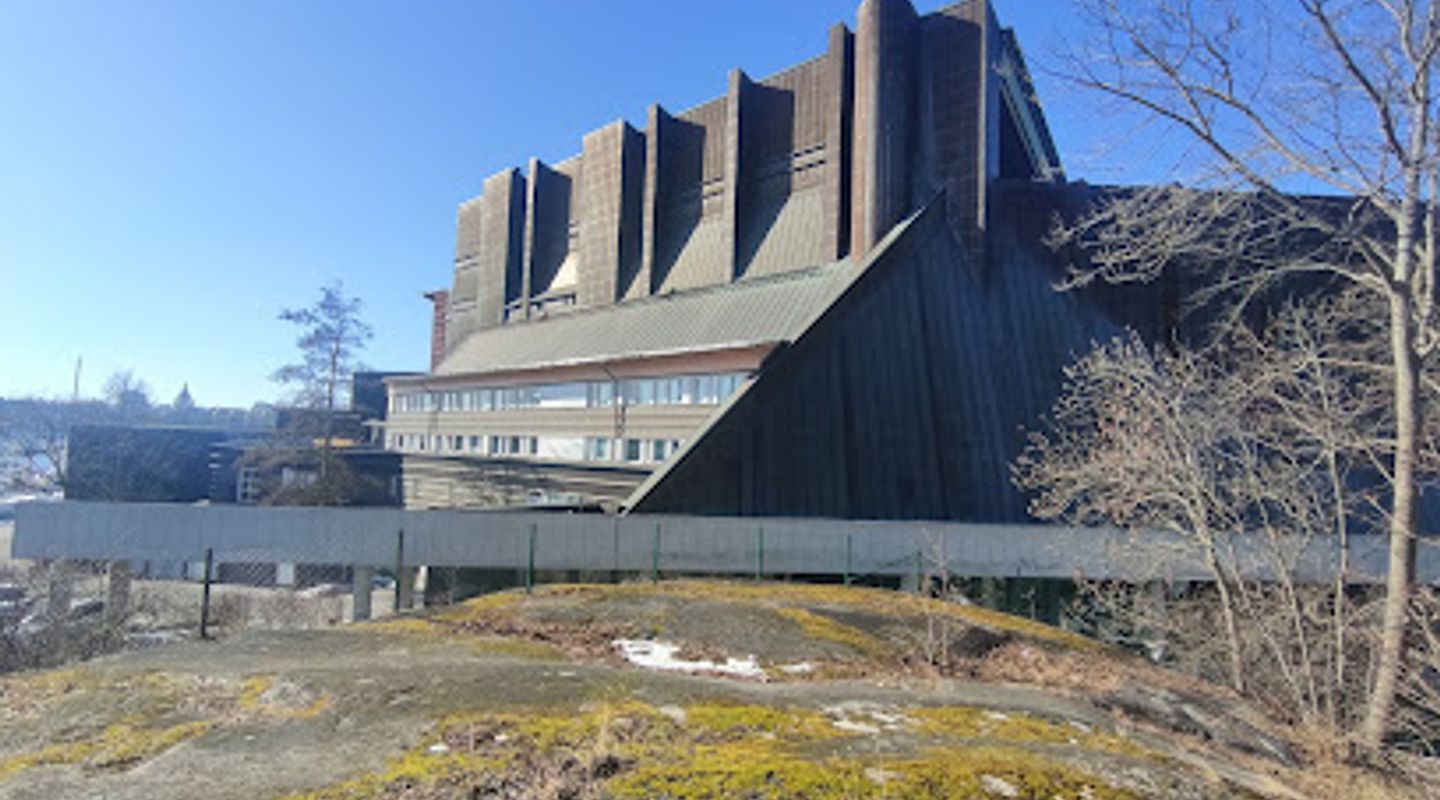
The Vasa Museum on Djurgården houses Vasa, a near-complete 17th‑century Swedish warship salvaged from Stockholm harbour and painstakingly conserved and displayed in a purpose-built hall. The ship’s ornate carvings, layered decks and visible timbers fill a cathedral-like space with five visitor levels, museum displays and object collections that illuminate 17th‑century naval life and the science of underwater archaeology.
On-site amenities
 Restrooms
 Drink options
 Food options
 Seating areas
 Information boards
 Visitor centre
Opening hours
- Mon10 am–5 pm
- Tue10 am–5 pm
- Wed10 am–8 pm
- Thu10 am–5 pm
- Fri10 am–5 pm
- Sat10 am–5 pm
- Sun10 am–5 pm
Opening hours as listed on the venue’s Google Business Profile. Hours can change for services and special events, so check with the venue before you go.
- Address
- Galärvarvsvägen 14, 115 21 Stockholm
- Phone
- Website
Getting there
Tram and Bus
Ferry and Waterbus
Taxi or Ride‑share
Discover more about Vasa Museum
How the ship commands the space
The Vasa sits at the heart of the museum like the keel of a cathedral — a single, enormous object that defines the building around it. Towering through several floors, its blackened hull is ringed by viewing balconies that allow repeated, layered glimpses: the carved stern with its painted figures, the gun ports along the sides, and the complex timber structure below the gun deck. The hall is intentionally scaled so you can move from broad panorama to minute detail without losing a sense of the ship’s original volume.
Material story and conservation
Vasa’s timbers, recovered after three centuries on the seabed, have been the focus of decades of preservation work; layers of treatments, constant climate control and careful monitoring keep the wood stable while conservators document ongoing changes. The displays around the vessel showcase original artefacts recovered with the ship — personal possessions, ordnance, rigging remnants and everyday objects — each one adding a human presence to the technical story of construction, sinking and salvage.
Life on board and 17th‑century context
Interpretive exhibits position Vasa inside the political and maritime ambitions of her time: a flamboyant royal project intended to assert Swedish power across the Baltic. Reconstructions, scale models and explanatory panels describe shipbuilding techniques, crew organisation, and the living conditions aboard — narrow corridors, densely packed hammocks, and the noise and smoke of a warship preparing for combat. Period artefacts and replicated elements let you imagine the ship as a working, inhabited space rather than only a wreck.
Museum experience across levels
The museum is organised to let you approach Vasa from different perspectives: a ground‑level orientation gives immediate impact; mid-level walkways expose decorative program and gun decks; higher galleries present overhead views and contextual exhibitions about maritime archaeology and 17th‑century society. Galleries adjoining the main hall present films, interactive displays and galleries of finds that deepen the narrative without distracting from the ship itself.
Sensory details and atmosphere
Ambient lighting and controlled climate create a hushed, contemplative atmosphere. You’ll notice the cool, slightly resinous scent of treated wood and subtle echoes in the tall hall as groups move between the decks. The carved figures and gilded details reward close inspection; from a few metres away you can appreciate the scale and the hand‑worked surfaces that once symbolised status and power.
Ongoing research and public value
The Vasa Museum functions as both exhibition space and active research centre: conservation labs, documentation projects and rotating displays reveal the long, technical process of preserving an underwater archaeological treasure. The visitor route balances focused attention on the ship with broader themes — trade, warfare, craftsmanship and the maritime environment — so that the object remains central while the surrounding story grows in complexity as you move through the galleries.
Evendo Review Centre
 Google
Guest reviews
Best time to go
Quietest: Jan, Feb & Mar · before 7am or from 8pm
Busy times are Evendo estimates for a typical year, to help you plan. Actual crowds vary with events, school holidays and the weather.
Explore Vasa Museum on the map
A handpicked selection of must-see spots near Vasa Museum, mapped for you.
Get your free copy of our complete guide to Vasa Museum, delivered straight to you.
Everything on this page, from opening hours and how to get there to Eve’s tips and the best time to go, in one PDF you can read offline, print or share.
Already have an account? Sign in
Your Vasa Museum guide is ready.
We'll send it to · Not you? Sign out

Getting your guide ready…
We are putting together a fresh copy of the Vasa Museum guide. This can take up to a minute.
This can take a few moments. If your browser asks, choose Allow so the download can start. You'll find the guide in your Downloads folder.
Nothing happened? Download it again
Sorry, the guide is taking longer than usual. Please try again in a minute, or get it by email instead.
Unlock the best of Vasa Museum
Skip-the-line tickets, guided tours with entry, and walking tours of the area, booked in a few clicks.





Other nearby places you may find interesting
The closest places of the same kind, if this one is not quite what you had in mind.
-
-
-
-
-


Swipe for more places
More to explore near Vasa Museum

 Best experiences near Vasa Museum

 Best hotels near Vasa Museum

 Best landmarks near Vasa Museum

 Best attractions near Vasa Museum

 Best shops near Vasa Museum

 Best restaurants near Vasa Museum

 Best bars near Vasa Museum
Do you manage this location?
Take control to get all the benefits, like improved information, better appearance, and stronger visibility across AI-powered discovery.
Explore more

Explore more of Uppland
Discover Uppland, Sweden's historic province, with its mix of vibrant cities, serene countryside, ancient Viking sites, and rich cultural heritage.
Explore Uppland
Explore more of Sweden
Discover Sweden's breathtaking landscapes, vibrant cities, and rich cultural heritage. From the Northern Lights to historic castles, experience the essence of Scandinavia.
Explore Sweden