Gunilla Bell, Uppsala Travel Guide
A cast-iron voice from Uppsala’s past, the Gunilla Bell punctuates the castle battlements with history, tone and a wide city view.
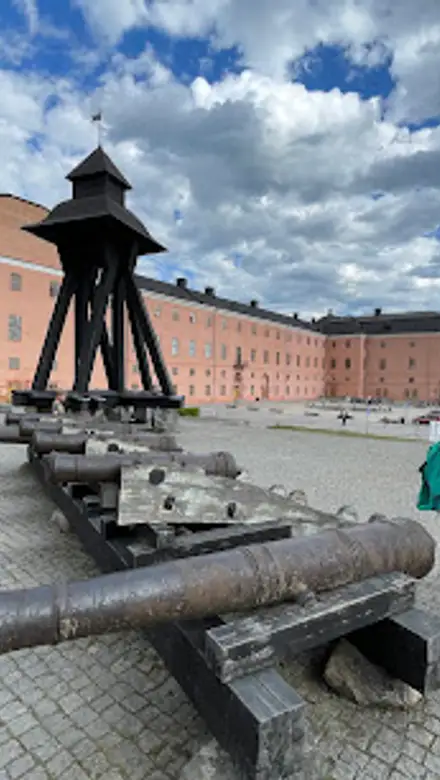
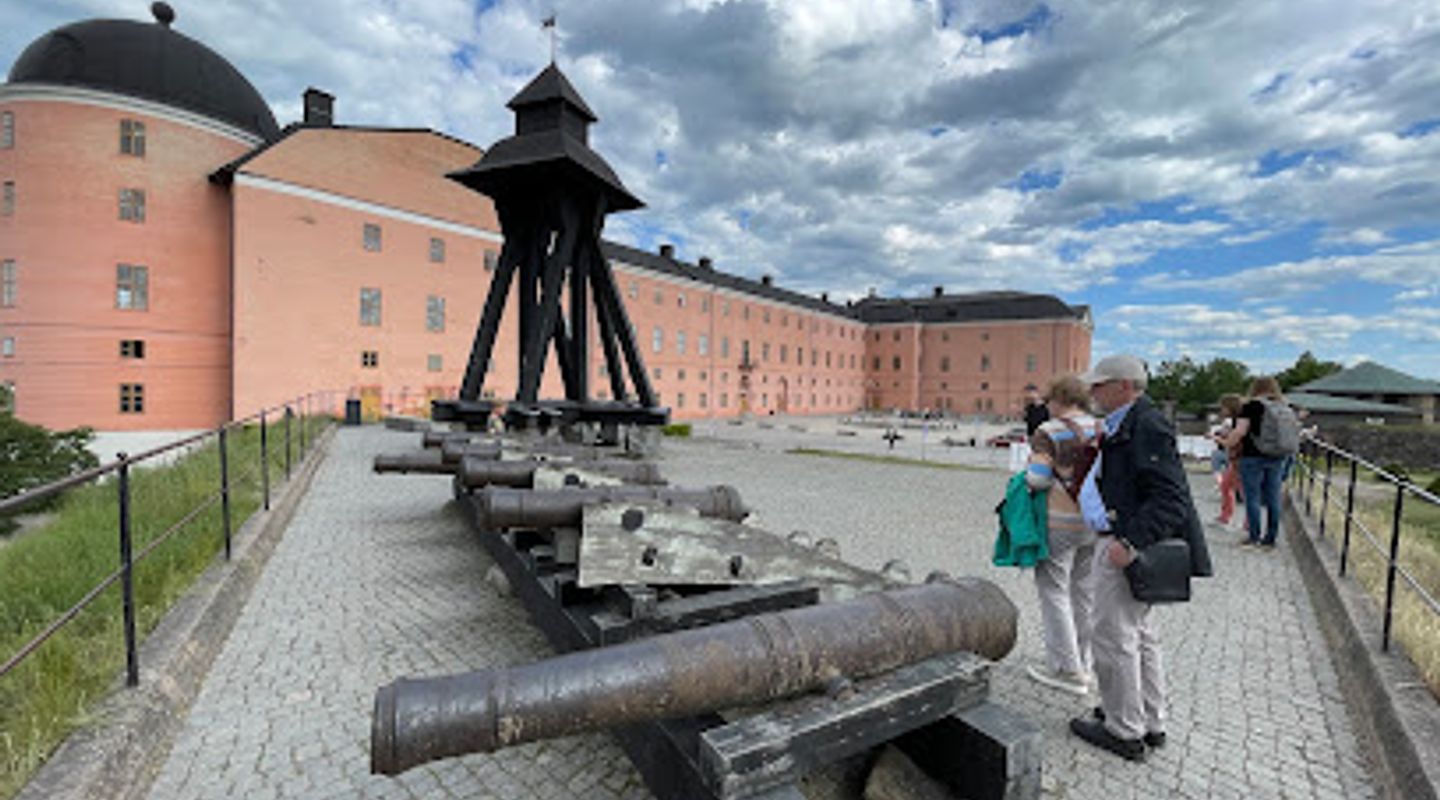
The Gunilla Bell crowns the battlements of Uppsala Castle’s Styrbiskop bastion — a heavy, historic bell cast in the late 16th century and recast after later fires. Positioned above the city and opposite the cathedral, the bell once signalled curfews, warnings and civic time; today it’s a striking, accessible relic that punctuates the castle’s skyline and offers atmospheric views across Uppsala.
A brief summary to Gunilla Bell
- Slottet, Uppsala, 752 37, SE
- Click to display
- Duration: 0.25 to 1 hours
- Free
-
 Outdoor
- Mobile reception: 4 out of 5

Know before you go
Hi, I'm Eve. Here are a few practical things to know before exploring Gunilla Bell.
- Time your visit for quieter light—early morning or late afternoon gives the best soft sunlight on the bell and city rooftops.
- Allow time to circle the battlement: different angles reveal the bell’s mounting details and changing panorama toward the cathedral.
- Bring a compact zoom lens or binoculars to inspect the bell’s inscriptions and the castle’s masonry details from the viewing points.
Do you manage this location?
Take control to get all the benefits, like improved information, better appearance, and stronger visibility across AI-powered discovery. Learn more about listing your business on Evendo
Activate your presenceOther nearby places you may find interesting
The closest places of the same kind, if this one is not quite what you had in mind.
Explore Gunilla Bell on the Map
A handpicked selection of must-see spots near Gunilla Bell, mapped for you.
Unlock the Best of Gunilla Bell
Buy tickets
-
No tickets available
Book tours with entry
-
No tours available
Book tours without entry

Getting There
-
Public bus and short walk
Local city buses serve stops within the central area of Uppsala; from central bus stops expect a 10–20 minute journey time depending on service and a subsequent 5–10 minute uphill walk across paved surfaces to the castle precincts. Services run frequently during daytime hours; expect off-peak reductions in frequency and limited late-night options. Typical single-ride fares are priced in Swedish kronor and range roughly from 30–40 SEK per person when using standard local transit payment methods.
-
Regional train plus walk
Regional trains arrive at Uppsala station; from there allow 15–25 minutes to walk across mostly flat city streets to the castle area. Trains between nearby cities run regularly but ticket prices vary by operator and booking method; expect regional fares starting around 90 SEK single trip depending on distance and purchase method. The walking route includes cobbled and paved sections—comfortable shoes recommended.
-
Taxi or app-based ride
Taxi or app-hail services from Uppsala station or city centre provide a 5–10 minute drive to the castle hill depending on traffic; fares typically start from the base rate and commonly total in the range of 100–200 SEK for short inner-city journeys. Expect variable surge pricing during peak events; vehicles generally drop passengers near the castle precinct but final approach involves some steps or sloping paved surfaces.
For the on-the-go comforts that matter to you
-
 Seating Areas
-
 Information Boards
Discover more about Gunilla Bell
An emblem forged in metal and politics
The Gunilla Bell was originally cast in the late 16th century and later recast after destructive fires, giving it a layered history that ties it to the turbulent eras of Sweden’s early modern period. Placed on the castle’s Styrbiskop gun battery, the bell’s role extended beyond ceremonial sound: it functioned as a civic instrument for marking curfew hours and sounding alarms during emergencies, reflecting how a single object could be both practical and symbolic in a fortified urban setting.Placement on the bastion and relationship with the cathedral
Sited on the battlements that once formed part of the castle’s artillery positions, the bell sits where defensive architecture turns into an elevated viewpoint. The Styrbiskop bastion’s orientation toward the cathedral echoes historical tensions between secular and ecclesiastical authorities; the bell’s voice, aimed across the town, was audible to neighborhoods clustered beneath the hill and to the cathedral itself, an audible reminder of the castle’s presence in civic life.A material story: casting, fire and repair
The bell’s metalwork carries marks of its long life: original casting methods from the 1500s, later melting and recasting after major fires, and successive repairs that preserved its form while altering its tone. Such interventions are common in long-lived bells — each repair records a chapter of local maintenance practices and changing technologies. Up close, the bell’s patina, rivets and mounting hardware make clear the dialogue between original craft and later conservation.Sensory presence and the visitor’s moment
Standing beside the bell you feel the stone underfoot and smell the faint, metallic tang in the air; wind from the river valley carries distant urban sounds while footsteps on the battlement’s paving echo. The bell’s silhouette interrupts the skyline; on a clear day rooftops, church spires and parkland fan out below. Whether still rung on ceremonial occasions or heard only as a memory, the bell transforms the battlement into a place where sound, view and history converge.Context within the castle landscape
The bell is integrated into a larger ensemble: the castle’s wings, bastions and public terraces that together map centuries of royal, administrative and civic functions. As an object fixed to defensive masonry, it ties acoustic history to architecture — a reminder that castles were living institutions, combining governance, spectacle and daily regulation. The bell’s presence enriches the castle’s narrative of adaptation, from a 16th-century royal stronghold to a modern cultural and administrative complex.Why the bell still matters today
Beyond its technical aspects, the Gunilla Bell is a mnemonic device for Uppsala’s layered past: it links local governance, religious geography and community life through sound. It invites reflection on the small but resonant artifacts that shape a city’s sense of time and continuity. Visitors linger to take in the view, imagine the bell’s tones across earlier centuries, and appreciate how a single cast object can anchor memory on a skyline.












Your all‑in‑one travel companion app
Explore expert travel guides, compare and book tours, experiences, hotels, and more—all from the palm of your hand. Download now for seamless trip planning wherever your wanderlust takes you.


Explore More of Uppsala
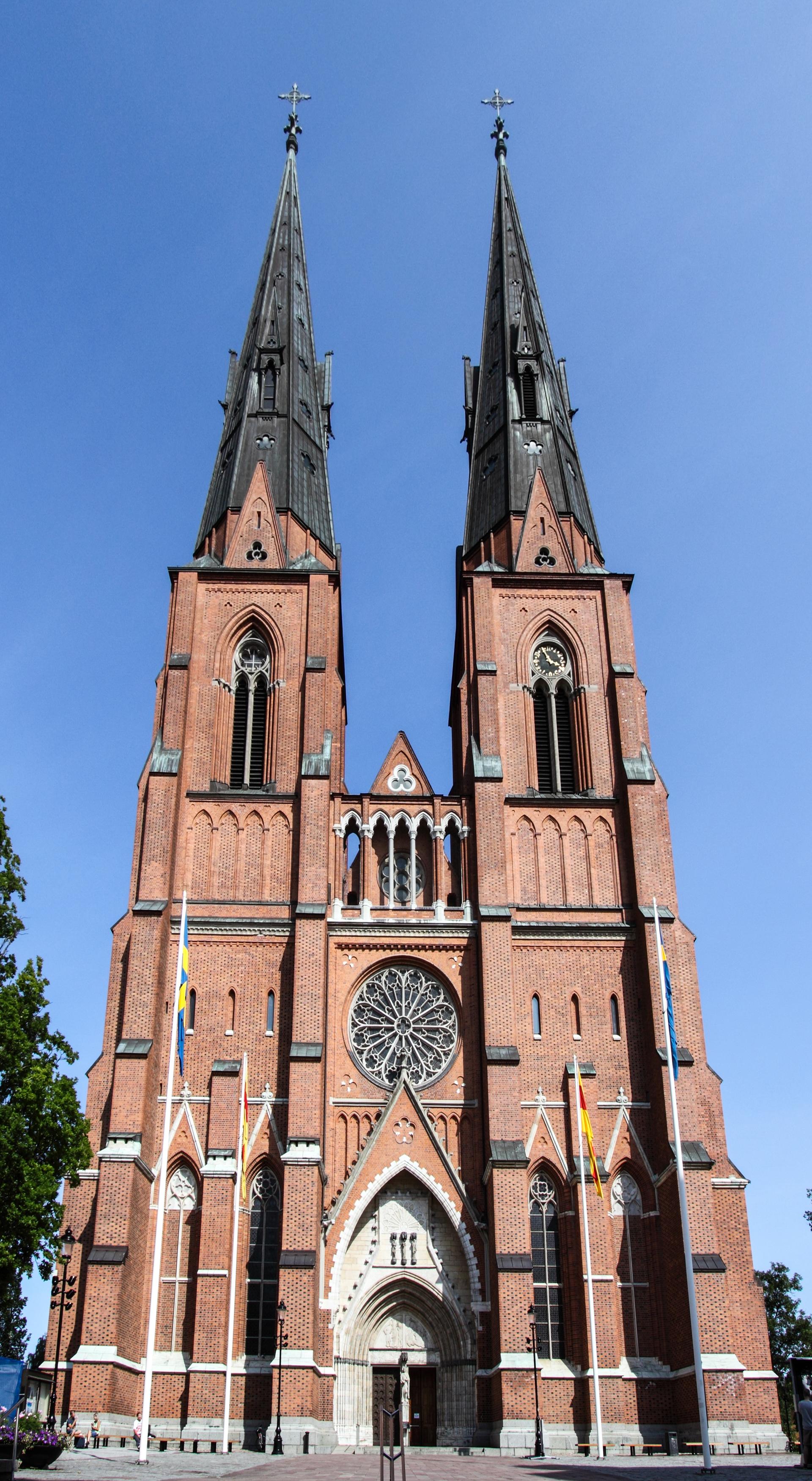
Looking beyond Gunilla Bell? Discover Uppsala for broader travel guides, local hot-spots, and regional highlights.
Explore Uppsala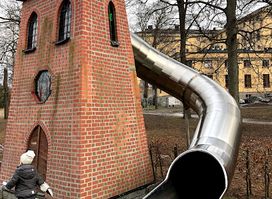
Step into the storybook world of Pelle Svanslös at Uppsala's most enchanting playground, where feline adventures come alive amid green lawns and imaginative play.
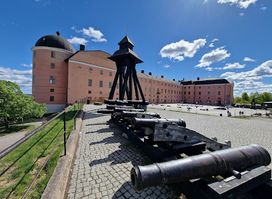
Contemporary art in Uppsala Castle's historic embrace—free entry to Swedish modern masterpieces and Upsala-Ekeby ceramics.