

Linnaeus garden, Uppsala Travel Guide
Free Guide: Step into Carl Linnaeus's living legacy: Sweden's inaugural botanical garden, where 1,300 plants reveal the secrets of his groundbreaking taxonomy amid elegant French parterres and historic charm.


A brief summary of Linnaeus garden
Step into Carl Linnaeus's living legacy: Sweden's inaugural botanical garden, where 1,300 plants reveal the secrets of his groundbreaking taxonomy amid elegant French parterres and historic charm.
Sweden's oldest botanical garden, founded in 1655, recreates Carl Linnaeus's 18th-century vision with over 1,300 plant species arranged by his pioneering sexual system. Nestled in Uppsala's heart, this French-style oasis blends historical significance, vibrant flora, and the adjacent Linnaeus Museum in the botanist's former home. Open May to September, it offers guided tours revealing the life and work of the father of modern taxonomy amid serene paths and seasonal blooms.
On-site amenities
 Restrooms
 Drink options
 Food options
 Seating areas
 Trash bins
 Information boards
Opening hours
- MonClosed
- Tue11 am–5 pm
- Wed11 am–5 pm
- Thu11 am–5 pm
- Fri11 am–5 pm
- Sat11 am–5 pm
- Sun11 am–5 pm
Opening hours as listed on the venue’s Google Business Profile. Hours can change for services and special events, so check with the venue before you go.
- Address
- Svartbäcksgatan 27 B, 753 32 Uppsala
- Phone
- Website
Getting there
Bus
Walking
Cycling
Taxi
Discover more about Linnaeus garden
Origins of a Botanical Pioneer
Established in 1655 by Olof Rudbeck the Elder, the Linnaeus Garden holds the distinction of being Sweden's first botanical garden. Originally part of Uppsala University's academic pursuits, it became intrinsically linked to Carl Linnaeus, the renowned 18th-century naturalist. Linnaeus, professor of medicine and botany at the university, redesigned the garden in 1745 alongside architect Carl Hårleman, imposing a formal French layout that emphasized symmetry and scientific order.This redesign transformed the space into a living laboratory where Linnaeus tested his revolutionary classification system, grouping plants by their reproductive structures—a bold departure from prevailing methods.
Linnaeus's Sexual System in Bloom
Today, the garden cultivates around 1,300 species, all documented as part of Linnaeus's original collection. Plants are meticulously arranged according to his sexual system, separating annuals from perennials and highlighting familial resemblances through flower structures. Wander the quartered beds to encounter familiar herbs, exotic imports, and medicinal plants that fueled Linnaeus's global expeditions and publications.The layout preserves the geometric precision of the 1745 plan, with straight paths converging on central features, evoking the era's Enlightenment ideals of knowledge and beauty intertwined.
Architectural Echoes and the Linnaeus Museum
Adjacent to the garden stands the Linnaeus Museum, housed in the very building where the scientist lived from 1743 to 1781. Restored to reflect its historical appearance, the museum displays artifacts from Linnaeus's life, including manuscripts, herbarium specimens, and personal effects that illuminate his methodologies and discoveries.The structure itself, with its simple yet elegant facade, served as both family home and professional workspace, where Linnaeus hosted scholars and cultivated ideas that reshaped biology worldwide.
Seasonal Rhythms and Visitor Immersion
From May through September, the garden bursts into life under long Nordic days. Spring brings tulips and early perennials; summer showcases full blooms in vivid purples, yellows, and whites; autumn offers seed pods and fading foliage. Beyond the main beds, smaller sections feature rockeries, orchards, and shaded groves, providing diverse microhabitats.Guided tours, available in multiple languages, delve into these cycles, explaining Linnaeus's observations on plant sexuality and adaptation, while the open layout invites self-guided exploration amid buzzing pollinators and gentle breezes.
Legacy in Uppsala's Cultural Fabric
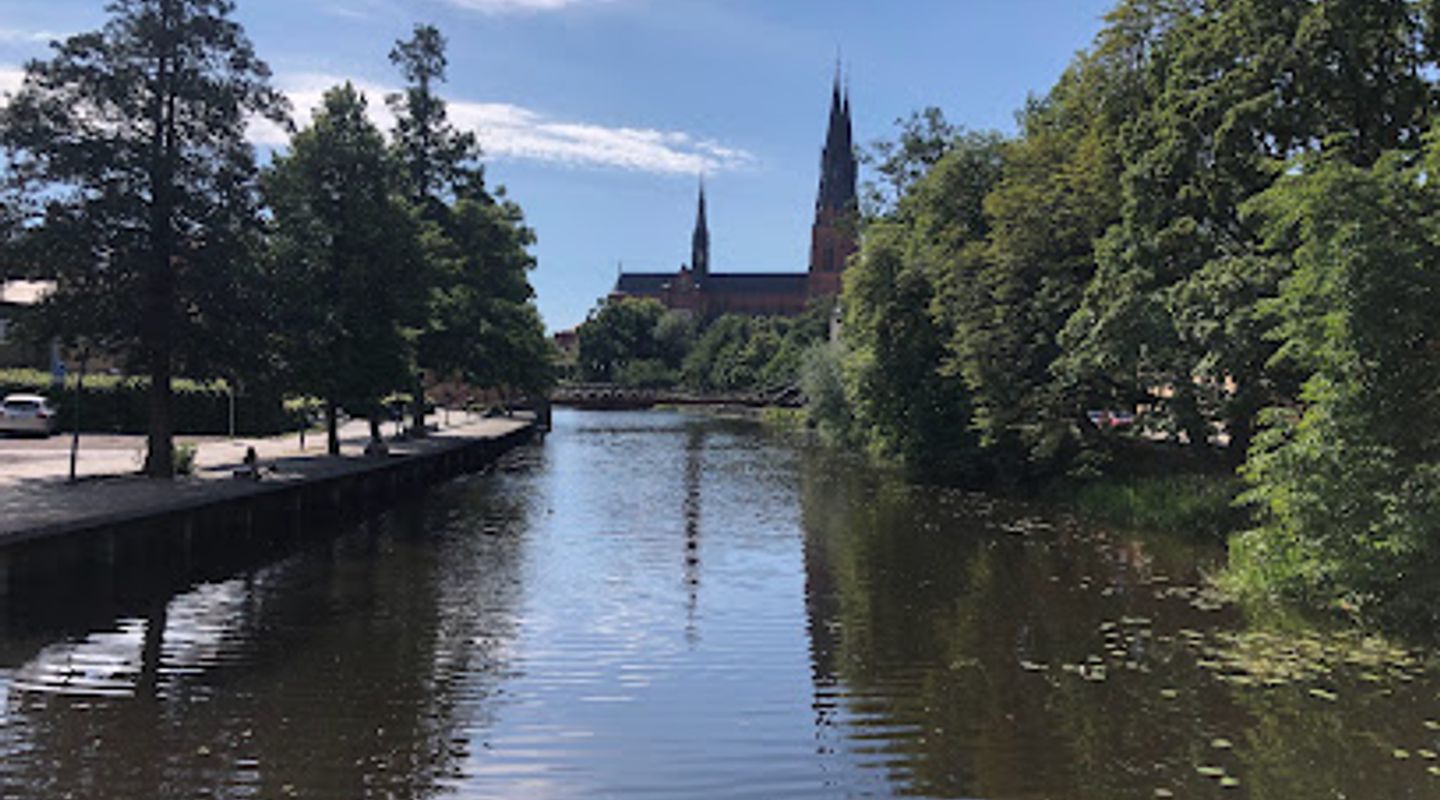
As a cornerstone of Uppsala's heritage, the Linnaeus Garden connects to the city's university tradition and nearby landmarks like the cathedral and castle. It stands as a testament to Linnaeus's binomial nomenclature, still the backbone of scientific naming, and his role in bridging botany with medicine and ecology.Preserved by Uppsala University, the site continues to educate on sustainable horticulture, echoing Linnaeus's emphasis on observing nature's intricate balances.
Evendo Review Centre
 Google
Guest reviews
Best time to go
Quietest: Jan, Feb & Mar · before 8am or at 7pm or at 8pm
Busy times are Evendo estimates for a typical year, to help you plan. Actual crowds vary with events, school holidays and the weather.
Explore Linnaeus garden on the map
A handpicked selection of must-see spots near Linnaeus garden, mapped for you.
Get your free copy of our complete guide to Linnaeus garden, delivered straight to you.
Everything on this page, from opening hours and how to get there to Eve’s tips and the best time to go, in one PDF you can read offline, print or share.
Already have an account? Sign in
Your Linnaeus garden guide is ready.
We'll send it to · Not you? Sign out

Getting your guide ready…
We are putting together a fresh copy of the Linnaeus garden guide. This can take up to a minute.
This can take a few moments. If your browser asks, choose Allow so the download can start. You'll find the guide in your Downloads folder.
Nothing happened? Download it again
Sorry, the guide is taking longer than usual. Please try again in a minute, or get it by email instead.
Unlock the best of Linnaeus garden
Skip-the-line tickets, guided tours with entry, and walking tours of the area, booked in a few clicks.


Other nearby places you may find interesting
The closest places of the same kind, if this one is not quite what you had in mind.
-
-
-
-
-


Swipe for more places
More to explore near Linnaeus garden

 Best experiences near Linnaeus garden
 Best hotels near Linnaeus garden
 Best landmarks near Linnaeus garden
 Best attractions near Linnaeus garden
 Best shops near Linnaeus garden
 Best restaurants near Linnaeus garden
 Best bars near Linnaeus garden
Do you manage this location?
Take control to get all the benefits, like improved information, better appearance, and stronger visibility across AI-powered discovery.
Explore more

Explore more of Uppsala
Discover Uppsala, Sweden's historic and vibrant city, home to ancient landmarks, lush gardens, and a thriving cultural and culinary scene.
Explore Uppsala
Explore more of Sweden
Discover Sweden's breathtaking landscapes, vibrant cities, and rich cultural heritage. From the Northern Lights to historic castles, experience the essence of Scandinavia.
Explore Sweden
