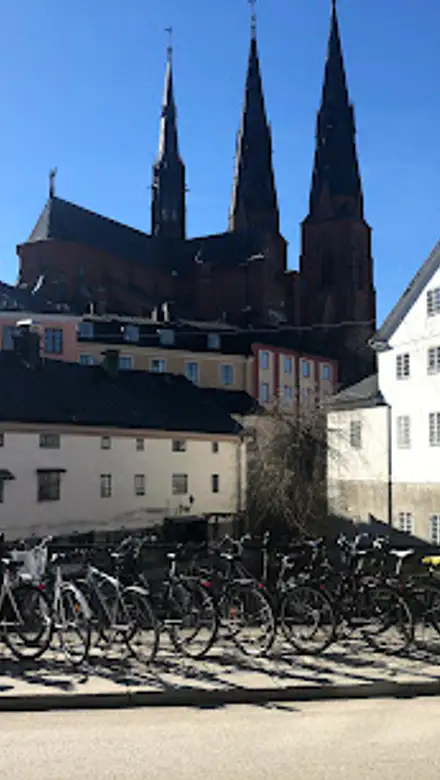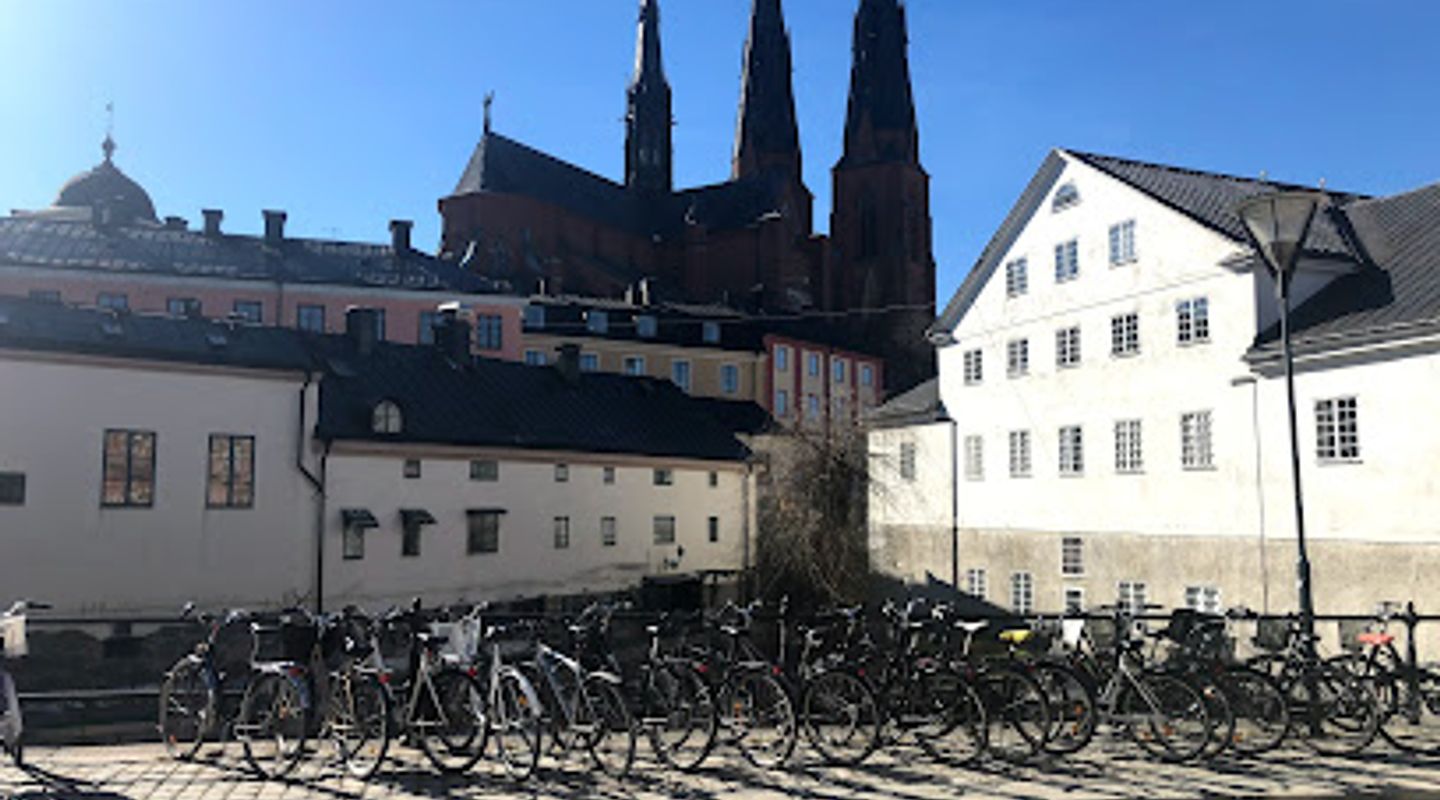
Sweden Solar System Titan, Uppsala Travel Guide
A modest outdoor station in Uppsala that represents Saturn’s moon Titan in the Sweden Solar System — small in size, vast in concept.
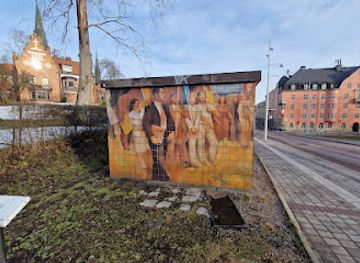
Titan is the Uppsala station of the Sweden Solar System, the world’s largest scale model of the Solar System. Placed near Celsius Square on Svartbäcksgatan, this modest outdoor installation represents Saturn’s largest moon and ties Uppsala to a national network of artistic and educational planetary models that stretch from Stockholm to the far north of Sweden.
A brief summary to Sweden Solar System Titan
- Svartbäcksgatan 8, Uppsala, 753 20, SE
- Duration: 0.25 to 1 hours
- Free
-
 Outdoor
- Mobile reception: 4 out of 5

Know before you go
Hi, I'm Eve. Here are a few practical things to know before exploring Sweden Solar System Titan.
- Read the onsite information panel to understand the 1:20 million scale linking the Globe in Stockholm to this moon model.
- Visit during daylight for easiest reading of plaques; dusk in winter gives the square a tranquil atmosphere.
- Combine this stop with nearby university streets and cafés to turn a brief visit into a relaxed cultural pause.
Do you manage this location?
Take control to get all the benefits, like improved information, better appearance, and stronger visibility across AI-powered discovery. Learn more about listing your business on Evendo
Activate your presenceOther nearby places you may find interesting
The closest places of the same kind, if this one is not quite what you had in mind.

Explore Sweden Solar System Titan on the Map
A handpicked selection of must-see spots near Sweden Solar System Titan, mapped for you.
Getting There
-
Tram + Walk
Take a local tram service from central Uppsala (typical journey 10–15 minutes) to a stop within the historic centre, then walk across a paved, level city route for about 5–10 minutes; tram services run frequently but check local timetables for evening schedules. Tram fares in the Uppsala region are typically paid by card contactless or mobile app and cost roughly 40–65 SEK per single adult journey.
-
Regional Bus + Short Walk
Use regional buses arriving at Uppsala city stops (travel time within the region varies 15–40 minutes depending on origin) then walk over flat city streets for about 5–12 minutes to the Celsius Square area; bus services have regular daytime frequency but reduced service at night. Regional single fares vary; expect roughly 30–90 SEK depending on distance and ticket type.
-
Bicycle
Uppsala is highly bike-friendly; cycling from central points typically takes 5–15 minutes over mostly flat, segregated lanes. Secure bike racks are commonly available near the university and city squares. No fee for cycling, though bike rentals usually cost from about 50–150 SEK for a half-day depending on provider.
For the on-the-go comforts that matter to you
-
 Seating Areas
-
 Information Boards
-
 Drink Options
Discover more about Sweden Solar System Titan
A small moon with a big idea
Titan in Uppsala is not a planet-sized sculpture but a conceptual anchor: a scaled representation of Saturn’s largest moon that links this city to an ambitious national artwork and teaching tool known as the Sweden Solar System. The scheme uses a scale of 1:20 million so that the Globe in Stockholm becomes the Sun and planets and moons are distributed across towns and institutions throughout the country. In Uppsala the Titan station stands quietly in an urban setting, turning an ordinary square into an astronomical waypoint.Where art, science and place meet
The Titan installation is intentionally modest in physical size compared with the Globe; its impact comes from context and contrast. Set by Celsius Square and close to university buildings and cafés, the piece invites passers-by to pause and consider scale, distance and the human impulse to map the heavens onto familiar ground. The work blends scientific measurement with public art, and functions as an educational prompt as much as a standalone object.Material character and immediate surroundings
Titan’s appearance reflects an object designed for outdoor display in a city centre: a durable, low-maintenance form with an informational plaque or panel nearby that explains the scale relationship to the Globe and to Saturn. The installation sits amid paved squares and mature trees, with the urban hum of trams, bicycles and pedestrian activity forming its acoustic backdrop. Seasonal light — long summer evenings and pale winter daylight — alters how the surface and signage read, giving the site a quietly changing character through the year.What you notice while you’re there
Up close, the scale model rewards a slower gaze: the proportions compared to a pedestrian, the succinct explanatory text, and its relationship to the town. The design encourages you to step back and imagine the vast empty distances between the models scattered across Sweden. The proximity of university departments and historic buildings gives the station extra resonance; it feels less like a tourist spectacle and more like a civic marker that celebrates learning and curiosity.Connections across Sweden
Titan is one node in a linear journey that begins at the Globe in Stockholm and extends northward; other models represent planets, dwarf planets and smaller bodies located in towns and institutions arranged roughly along the same axis. Together these stations form a dispersed classroom: encountering Titan makes the rest of the route legible and invites interest in the neighboring models, from inner terrestrial bodies near Stockholm to distant markers in northern Sweden.Practical notes on visiting the site
The installation is outdoors and best experienced in daylight when plaques are easiest to read; winter lighting can make the model more atmospheric at dusk. The modest scale means the work rewards explanation — read the panel slowly and imagine the 1:20 million ratio — and visitors enjoy pairing a stop here with nearby cultural sites or a coffee at a local café. The station is robust and designed for public access year-round, though weather changes its mood markedly between seasons.More to explore near Sweden Solar System Titan













Your all‑in‑one travel companion app
Explore expert travel guides, compare and book tours, experiences, hotels, and more—all from the palm of your hand. Download now for seamless trip planning wherever your wanderlust takes you.


Explore More of Uppsala
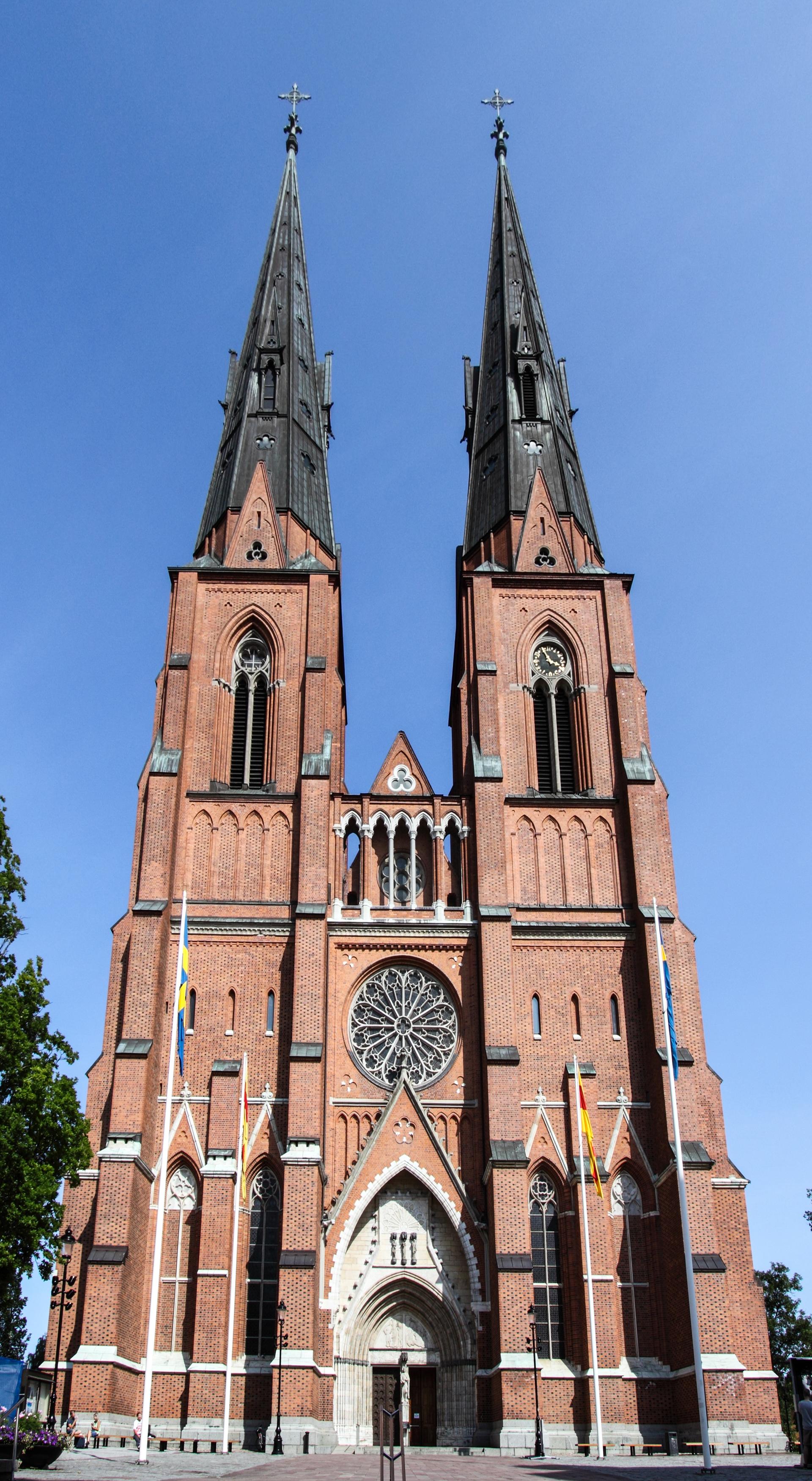
Looking beyond Sweden Solar System Titan? Discover Uppsala for broader travel guides, local hot-spots, and regional highlights.
Explore Uppsala
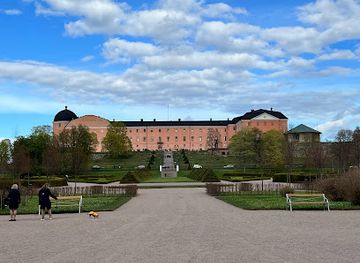
Discover Sweden's scholarly heart at Gustavianum, where an ancient Anatomical Theatre crowns Uppsala University's trove of Viking relics, Egyptian mummies, and global wonders beneath a storied dome.

Trace Saturn's hazy giant moon in Uppsala's heart, part of Sweden's epic 1:20-million scale solar system stretching 1,000 km north.