

Krigsflygfält 16 Travel Guide
Free Guide: Sweden's last intact WWII secret airstrip: a camouflaged culture reserve where wartime shadows haunt Värmland's forests.


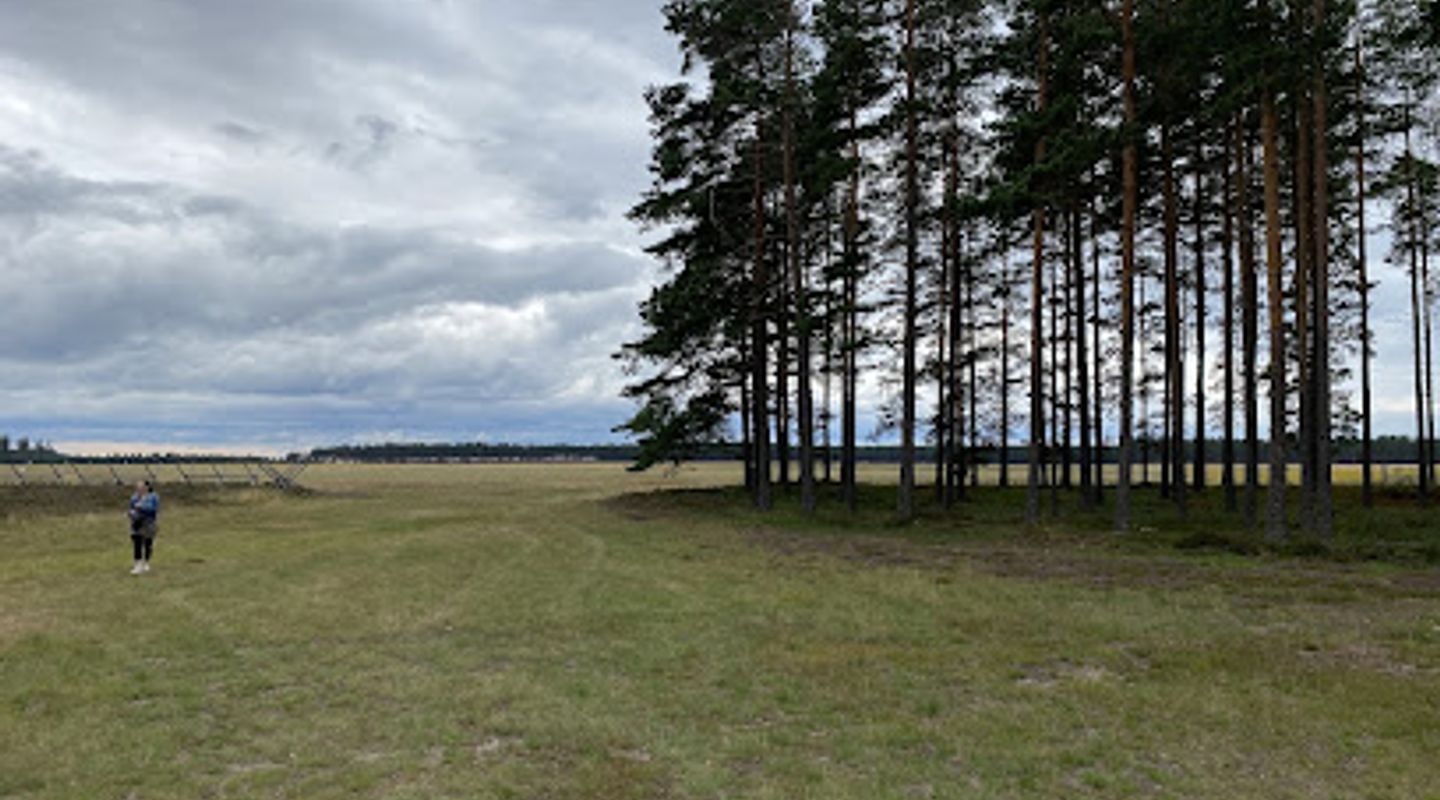
A brief summary of Krigsflygfält 16
Sweden's last intact WWII secret airstrip: a camouflaged culture reserve where wartime shadows haunt Värmland's forests.
Krigsflygfält 16 at Brattforsheden stands as Sweden's sole fully preserved WWII secret airstrip, a world-unique culture reserve capturing the tension of wartime mobilization. Explore camouflaged runways disguised as farmland, original barracks, anti-aircraft positions, and barbed wire remnants amid Värmland's forests. Open daily with summer guided tours, flight simulators, and family events bringing history alive.
On-site amenities
 Restrooms
 Drink options
 Food options
 Seating areas
 Trash bins
 Information boards
 Visitor centre
Opening hours
- Every day10 am–4 pm
Opening hours as listed on the venue’s Google Business Profile. Hours can change for services and special events, so check with the venue before you go.
- Address
- 655 97 Molkom
- Website
Getting there
Driving
Bus
Cycling
Discover more about Krigsflygfält 16
Birth of a Secret Airfield
Construction of Krigsflygfält 16 began in September 1939, just as World War II erupted with Germany's invasion of Poland. By June 1940, the site on Brattforsheden was complete, intended as a rear base for Swedish air defense. Sweden mobilized rapidly, creating around 40 such hidden airstrips nationwide to protect airspace amid neutrality pressures.The airfield's layout mimicked ordinary farmland to evade detection, with fake ditches, roads, and red farm buildings masking the runway. This camouflage was crucial when Germany's April 1940 invasion of Norway thrust Brattforsheden into the front line—enemy aircraft were just 20 minutes away.
Frontline Role and Camouflage Genius
Snow halted final preparations on invasion day, but crews swiftly disguised the field. Pilots practiced reconnaissance missions here, scanning Norwegian fronts for German movements. The site housed barracks for hundreds, anti-aircraft guns, and command posts, all blending into the wooded landscape.Unique features include original 1940s structures like soldier quarters and ammunition bunkers, preserved without modern alterations. The east-west runway endured post-war civilian use, while four later hangars dot the edges, contrasting wartime austerity.
Preservation as Culture Reserve
Decommissioned in the early 1960s, the airfield avoided demolition unlike its counterparts. In 2003, Länsstyrelsen Värmland designated it a culture reserve—the only such for a WWII airstrip globally. Restoration adheres strictly to 1939-1945 aesthetics, safeguarding an authentic military cultural landscape.Today, it evokes Sweden's beredskap era, when 500,000 mobilized for defense. Barbed wire, foxholes, and weathered concrete whisper of drills under blackout skies, offering tangible connection to a neutral nation's vigilance.
Exploring the Grounds
Wander 100 hectares of forested heath, spotting machine-gun nests and water towers. The camouflage remains striking—runways vanish into plowed fields illusion. Original buildings, though locked, reveal peepholes and blast walls designed against strafing runs.Seasonal operations feature guided walks detailing daily soldier life, from rationed meals to night watches. Flight simulators let you pilot WWII reconnaissance planes, while VR films immerse in 1942 spy missions over Norway.
Modern Legacy and Reflections
Krigsflygfält 16 inspires reflection on past and present security. Annual events like Flygkultur showcase Swedish aviation heritage with vintage aircraft displays and survival courses. Families explore via tracked vehicle tours through woods, uncovering nature intertwined with history.As Värmland's hidden gem, it stands unparalleled, a time capsule where wartime urgency lingers in rusting iron and silent hangars.
Evendo Review Centre
 Google
Guest reviews
Best time to go
Quietest: Jan, Feb & Dec · before 7am or from 8pm
Busy times are Evendo estimates for a typical year, to help you plan. Actual crowds vary with events, school holidays and the weather.
Explore Krigsflygfält 16 on the map
A handpicked selection of must-see spots near Krigsflygfält 16, mapped for you.
Get your free copy of our complete guide to Krigsflygfält 16, delivered straight to you.
Everything on this page, from opening hours and how to get there to Eve’s tips and the best time to go, in one PDF you can read offline, print or share.
Already have an account? Sign in
Your Krigsflygfält 16 guide is ready.
We'll send it to · Not you? Sign out

Getting your guide ready…
We are putting together a fresh copy of the Krigsflygfält 16 guide. This can take up to a minute.
This can take a few moments. If your browser asks, choose Allow so the download can start. You'll find the guide in your Downloads folder.
Nothing happened? Download it again
Sorry, the guide is taking longer than usual. Please try again in a minute, or get it by email instead.
Other nearby places you may find interesting
The closest places of the same kind, if this one is not quite what you had in mind.
-
-
-
-
-


Swipe for more places
More to explore near Krigsflygfält 16

 Best experiences near Krigsflygfält 16
 Best hotels near Krigsflygfält 16
 Best landmarks near Krigsflygfält 16
 Best attractions near Krigsflygfält 16
 Best shops near Krigsflygfält 16
 Best restaurants near Krigsflygfält 16
 Best bars near Krigsflygfält 16
Do you manage this location?
Take control to get all the benefits, like improved information, better appearance, and stronger visibility across AI-powered discovery.
Explore more

Explore more of Värmland
Discover Värmland: A Swedish paradise of lakes, forests, and cultural heritage perfect for outdoor adventures and serene getaways.
Explore Värmland
Explore more of Sweden
Discover Sweden's breathtaking landscapes, vibrant cities, and rich cultural heritage. From the Northern Lights to historic castles, experience the essence of Scandinavia.
Explore Sweden
