Härkeberga Church, Vastmanland Travel Guide
A compact 14th‑century Uppland church famed for its exceptionally preserved 15th‑century frescoes by Albertus Pictor and a separate wooden bell tower.
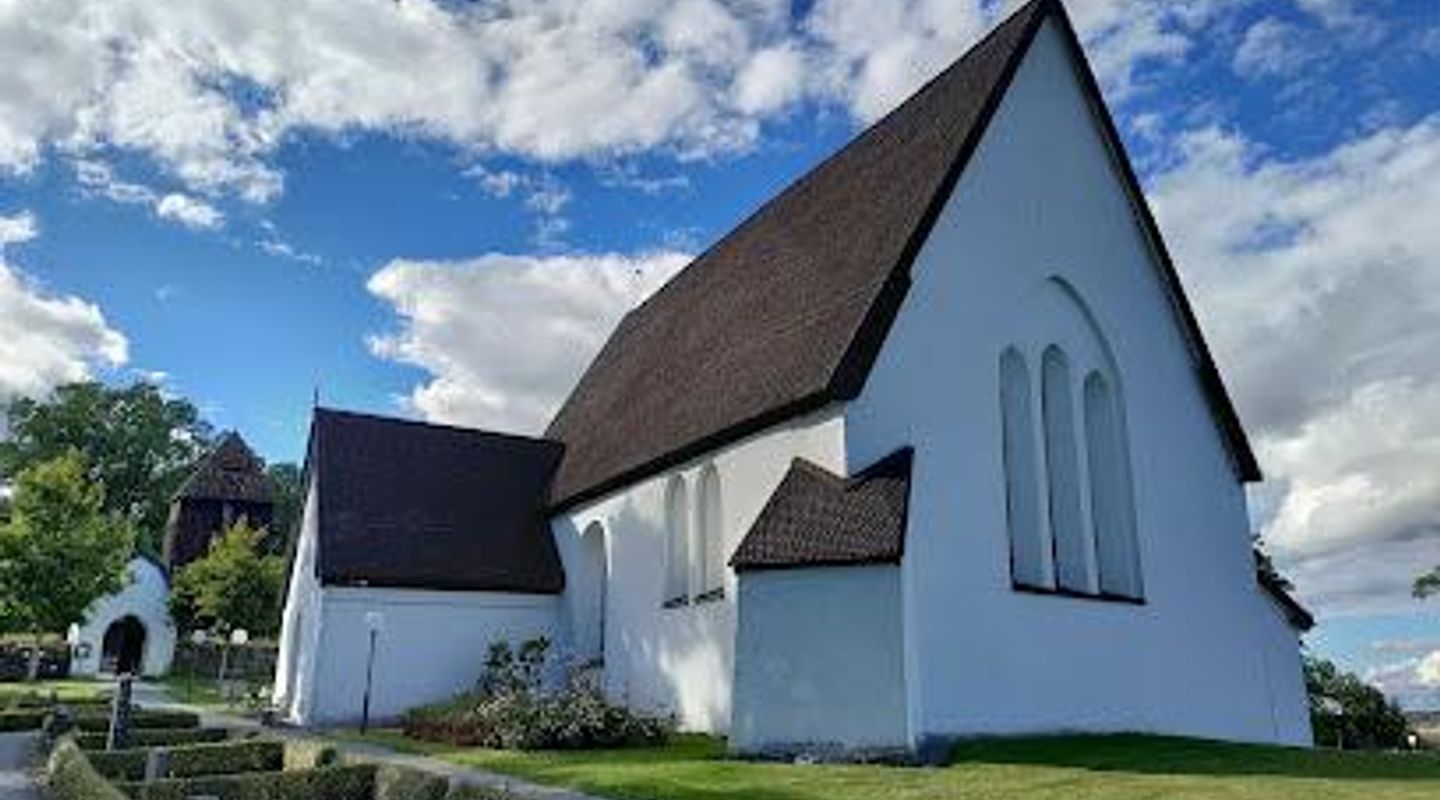
Härkeberga Church is a small 14th‑century rural church near Enköping, celebrated for exceptionally well preserved 15th‑century frescoes attributed to Albertus Pictor and for its separate wooden bell tower. Set in a quiet churchyard amid Uppland farmland, the whitewashed stone building and its painted vaulted interior offer a vivid glimpse of medieval devotional art and local parish life.
A brief summary to Härkeberga Church
- Enköping, 745 96, SE
- Click to display
- Click to display
- Duration: 0.5 to 1.5 hours
- Free
-
 Indoor
- Mobile reception: 3 out of 5

Know before you go
Hi, I'm Eve. Here are a few practical things to know before exploring Härkeberga Church.
- Dress respectfully for a consecrated space and speak quietly inside—the painted vaults benefit from a calm atmosphere.
- Check seasonal opening times before visiting; small rural churches often open only for services or limited hours in summer.
- Look up: the ceiling paintings are the site’s highlight—allow time to stand in the nave and take in the full mural cycles.
Do you manage this location?
Take control to get all the benefits, like improved information, better appearance, and stronger visibility across AI-powered discovery. Learn more about listing your business on Evendo
Activate your presenceOther nearby places you may find interesting
The closest places of the same kind, if this one is not quite what you had in mind.
Explore Härkeberga Church on the Map
A handpicked selection of must-see spots near Härkeberga Church, mapped for you.
Unlock the Best of Härkeberga Church
Buy tickets
-
No tickets available
Book tours with entry

Book tours without entry
-
No tours available
Getting There
-
Regional bus and local taxi
Take a regional bus service from Enköping or Uppsala to a nearby village stop; typical journey time from Enköping is about 25–45 minutes depending on service frequency, with limited departures on weekends and public holidays. Expect to pay roughly 40–100 SEK per person for the single bus fare; from the bus stop a short taxi can finish the trip when services are infrequent—taxis typically take 5–15 minutes and cost around 150–350 SEK depending on time of day and operator.
-
Private car
Driving from Enköping or surrounding towns takes roughly 20–35 minutes by country roads; parking is informal near the churchyard but capacity is limited during events and seasonal opening days. There are no guaranteed paid lots—private cars should allow extra time for parking and expect rural single‑lane roads, which can be icy in winter.
-
Cycling or country walk
If you are based in the local area, cycling along minor roads and farm tracks is feasible in fair weather; typical cycle times from central Enköping are 40–80 minutes depending on route and fitness. Routes cross rural terrain and may include gravel surfaces; suitability is seasonal and visibility can be poor in low light.
For the on-the-go comforts that matter to you
-
 Information Boards
-
 Seating Areas
Discover more about Härkeberga Church
Origins and medieval fabric
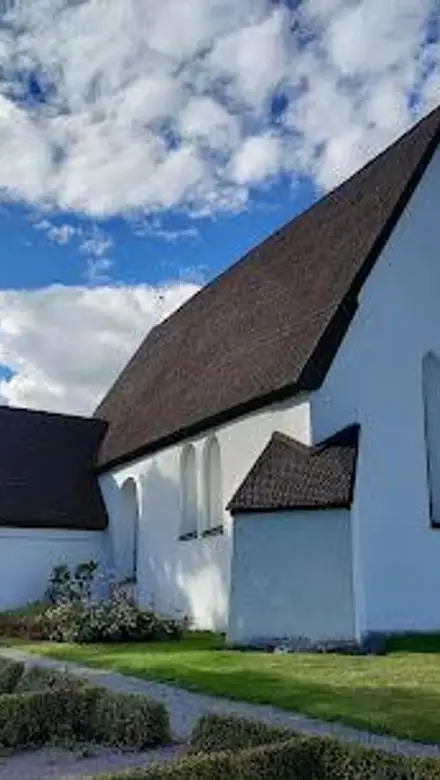
Härkeberga Church dates to the medieval period, its core built in the 1300s and later altered in the 1400s when the porch and vestry were added and vaulting was installed. The exterior presents the compact, whitewashed stone silhouette familiar from Uppland countryside churches, while a separate freestanding bell tower—constructed later—stands near the churchyard, giving the ensemble a layered, vernacular character.The painted vaults and narrative cycles
The church interior is renowned for a near‑complete program of late medieval mural decoration attributed to the workshop of Albertus Pictor, painted around the second half of the 15th century. The vault paintings remain unusually intact: biblical scenes, saints, and didactic images drawn from the medieval visual repertoire are arranged across the ceiling and walls, functioning as pictorial scripture for a largely illiterate congregation and illustrating both Old and New Testament episodes.Architectural and material details
Inside, the stone vaults, narrow windows and simple liturgical furnishings create a hushed, intimate space that concentrates attention on the polychrome surfaces overhead. Exterior details—simple buttressing, small lancet openings and the white render—reflect centuries of maintenance and periodic restoration. The detached wooden bell tower and modest churchyard with old headstones contribute to the site’s sense of continuity and rural parish identity.Cultural context and parish life
Härkeberga sits within the cultural landscape of Uppland, where small medieval churches once punctuated farming communities. The painted program belongs to a broader tradition of Swedish ecclesiastical decoration, where regional masters and workshops produced visually rich interiors that merge biblical narrative, local imagery and sometimes playful or didactic motifs. The church has long been part of local ritual life—baptisms, weddings and seasonal observances—and its fabric records those changing practices.Conservation and visitor experience
The murals’ good preservation owes to both traditional building techniques and later conservation efforts; many frescoes in Sweden were limewashed for centuries and later uncovered, but at Härkeberga the vault paintings survive with remarkable clarity. Visitors who enter move from bright daylight into a cooler, frescoed chamber where painted faces, symbolic animals and narrative scenes form a layered visual field—an experience of colour and storytelling rather than architectural grandeur.Surroundings and wider historical setting
The church is set amid gently rolling farmland and scattered historic farmsteads typical of the Fjärdhundraland region, where parsonages and villages form a linked medieval landscape. Nearby historic buildings and preserved rural estates enhance the sense that Härkeberga belongs to a long‑standing cultural geography: a pocket of continuity where landscape, agriculture and parish institutions have evolved together over centuries.












Your all‑in‑one travel companion app
Explore expert travel guides, compare and book tours, experiences, hotels, and more—all from the palm of your hand. Download now for seamless trip planning wherever your wanderlust takes you.


Explore More of Vastmanland
Looking beyond Härkeberga Church? Discover Vastmanland for broader travel guides, local hot-spots, and regional highlights.
Explore Vastmanland