Givorna Travel Guide
Free Guide: A compact limestone reserve near Norberg where exposed rock, a small lime quarry and rare calciphile plants form an intimate, seasonally vivid nature patch.


A brief summary of Givorna
A compact limestone reserve near Norberg where exposed rock, a small lime quarry and rare calciphile plants form an intimate, seasonally vivid nature patch.
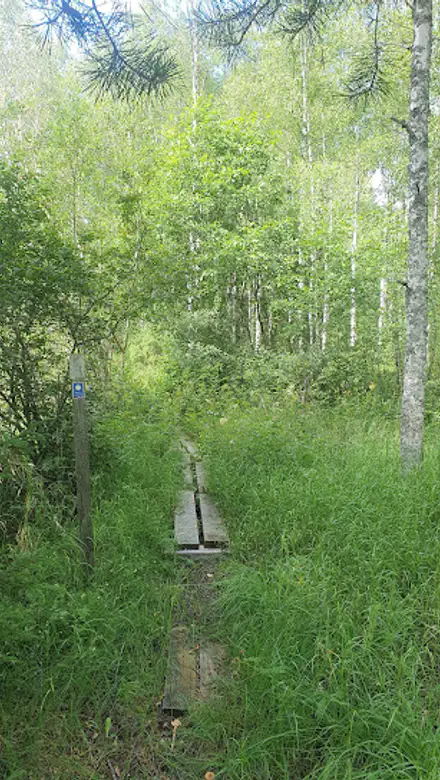
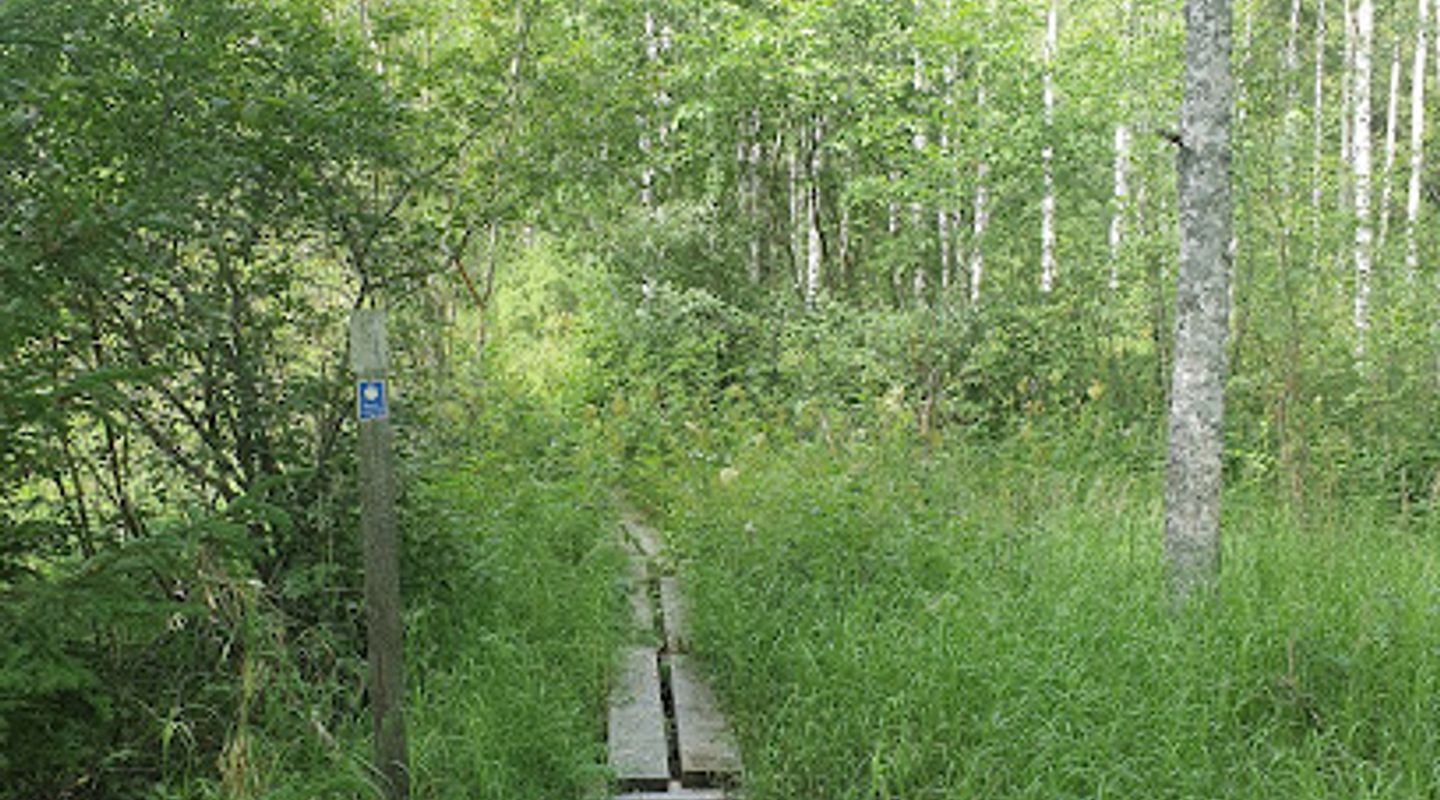
Givorna is a compact, limestone-rich nature reserve on the northeastern shore of Bålsjön near Norberg, Västmanland, preserving steep rock faces, an old disused lime quarry and an unusually rich flora adapted to calcareous soils. Established as a protected area in the 1960s, the site is valued for its botanical diversity, exposed limestone outcrops and a small historic spring; visits suit short walks, plant-study stops and quiet nature observation.
On-site amenities
 Seating areas
 Information boards
Opening hours
- Every dayOpen 24 hours
Opening hours as listed on the venue’s Google Business Profile. Hours can change for services and special events, so check with the venue before you go.
- Address
- GYVA 2, 738 91 Norberg
Getting there
By car
Local bus and short walk
Guided local tours
Discover more about Givorna
Where the rock shows its colours
Givorna is a small but geologically distinct reserve formed around two steep rock escarpments where limestone comes to the surface, creating bright patches of exposed bedrock and a few shallow quarries left from earlier lime extraction. The calcium-rich substrate gives the slopes a different character from the surrounding conifer and mixed forest, with bare stone, scree and thin, lime-tolerant soils visible between trees and heather.
Plants that prefer the uncommon soil
Because of the underlying limestone, Givorna supports a concentrated assemblage of calciphile plants—species that thrive on alkaline ground. Look for spring and early-summer wildflowers, low sedges and fragile herbaceous species clinging to shallow soils in crevices. The species list here includes several unusual meadow and cliff-edge plants that are rarely abundant in the surrounding landscape, giving the reserve a botanist’s appeal and a delicate mosaic of colour and texture through the seasons.
Human traces — small quarry and spring
A small, abandoned lime quarry and traces of historical use are tucked into the reserve’s lower slopes, evidence of the modest local lime-burning once practised here. Near the northeastern end of the site a named spring — a traditional freshwater source — marks a quiet focal point in the terrain. These human touches are minor compared with the natural features but help explain the reserve’s name and the reason the site was set aside for protection in the 1960s.
A compact reserve, a varied short visit
Givorna is intentionally small and best experienced on foot over a short period; paths wind between the brinks and down towards the shore of Bålsjön at the reserve’s lower edge. The combination of open rock faces, shallow woodland and lakeside fringe creates rapid shifts in light, scent and vegetation as you move from ridge to shore—an intense, concentrated nature experience rather than a long, strenuous hike.
Seasonal character and sensory notes
Spring brings a quick surge of flowers and fresh green on thin soils; late spring and early summer are prime for botanising when many limestone specialists bloom. In autumn the rocks and lichens take on warm tones while the air is clear and brittle. Birdsong is intermittent rather than continuous; the reserve’s scale and sheltering trees make sounds feel close and intimate. The limestone gives the soil a faint mineral dryness underfoot and a subtle, chalky scent where rock is exposed.
Conservation and local context
Protected first as a nature monument in the early 1960s and later designated a nature reserve, Givorna is managed to preserve its unique calcareous flora and the small-scale geological features that support it. The reserve sits within a broader cultural and natural landscape around Norberg, where old mining and lime-working traditions meet lakes, forest and marked trails; Givorna provides a compact, botanically distinctive complement to the region’s larger outdoor attractions.
Evendo Review Centre
 Google
Guest reviews
Best time to go
Quietest: Jan, Feb & Dec · before 6am or at 8pm
Busy times are Evendo estimates for a typical year, to help you plan. Actual crowds vary with events, school holidays and the weather.
Explore Givorna on the map
A handpicked selection of must-see spots near Givorna, mapped for you.
Get your free copy of our complete guide to Givorna, delivered straight to you.
Everything on this page, from opening hours and how to get there to Eve’s tips and the best time to go, in one PDF you can read offline, print or share.
Already have an account? Sign in
Your Givorna guide is ready.
We'll send it to · Not you? Sign out

Getting your guide ready…
We are putting together a fresh copy of the Givorna guide. This can take up to a minute.
This can take a few moments. If your browser asks, choose Allow so the download can start. You'll find the guide in your Downloads folder.
Nothing happened? Download it again
Sorry, the guide is taking longer than usual. Please try again in a minute, or get it by email instead.
Other nearby places you may find interesting
The closest places of the same kind, if this one is not quite what you had in mind.
-
-
-
-
-


Swipe for more places
More to explore near Givorna

 Best experiences near Givorna
 Best hotels near Givorna
 Best landmarks near Givorna
 Best attractions near Givorna
 Best shops near Givorna
 Best restaurants near Givorna
 Best bars near Givorna
Do you manage this location?
Take control to get all the benefits, like improved information, better appearance, and stronger visibility across AI-powered discovery.
Explore more
Explore more of Västmanland
Discover Västmanland: A blend of natural beauty, historical treasures, and modern attractions in the heart of Sweden.
Explore Västmanland
Explore more of Sweden
Discover Sweden's breathtaking landscapes, vibrant cities, and rich cultural heritage. From the Northern Lights to historic castles, experience the essence of Scandinavia.
Explore Sweden