Axevalla House Travel Guide
Free Guide: Low medieval ruins on a windswept headland — understated archaeology set in the open reedbeds and moor of Axevalla Heath.


A brief summary of Axevalla House
Low medieval ruins on a windswept headland — understated archaeology set in the open reedbeds and moor of Axevalla Heath.
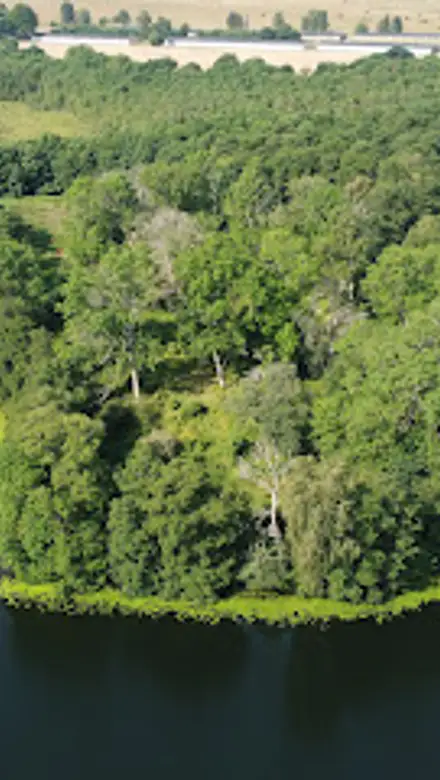
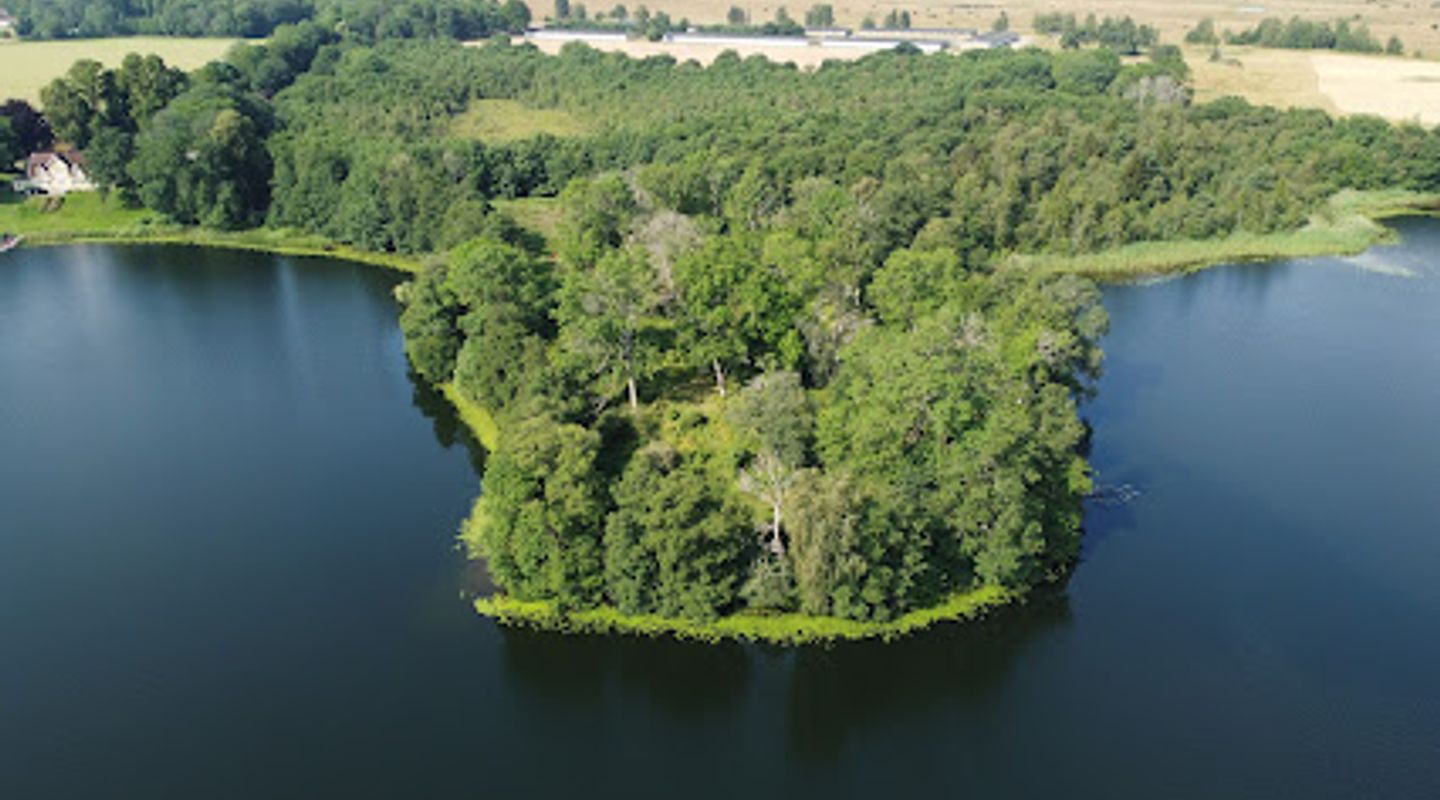
The low, mossy ruins of Axevalla House sit on a gentle headland beside a lake on Axevalla Heath, the remains of a 13th‑century royal stronghold in Västergötland. Stone footings, scattered foundations and a windswept, open setting hint at the site’s former role as a fortified manor and regional seat of power; the landscape around it—heath, reedbeds and open water—shapes the mood more than any reconstructed wall.
On-site amenities
 Information boards
Opening hours
- Every dayOpen 24 hours
Opening hours as listed on the venue’s Google Business Profile. Hours can change for services and special events, so check with the venue before you go.
- Address
- Skärv 2, 532 72 Axvall
- Website
Getting there
Car
Regional bus + short walk
Taxi
Discover more about Axevalla House
What the ruins are and where they sit
Axevalla House is the archaeological trace of a medieval stronghold once set on a narrow headland in what was formerly Husgärdessjön, now part of the Axevalla Heath landscape. The site consists mainly of low stone foundations and scattered masonry fragments that mark the footprint of a 13th‑century castle and later manorial complex. Its position on a promontory beside shallow water would originally have offered defensive advantage and clear views across reedbeds and open fen.
History behind the stone
Documentary references place Axevalla House in medieval records and link it to regional rulers of Västergötland; while precise construction dates are uncertain, the site is known from the 1200s and served as a regional fortification and seat of authority through the Middle Ages. Over succeeding centuries the structure fell into disuse and ruin; some stone was removed and reused nearby, leaving the low, fragmentary remains visible today. Archaeological traces and historical maps preserve the outline of walls and service buildings rather than any intact superstructure.
Landscape and natural setting
The ruins sit within Axevalla Heath, a wide, open moorland of grass, heather and marsh that alternates with reedbeds and small lakes. The immediate setting is exposed and windswept; seasonal reeds and marsh grasses surround the promontory, attracting wetland birds and creating reflective water surfaces in calm weather. That interplay of open heath and shallow water is central to the feel of the place and explains why a medieval stronghold was sited there.
What you’ll notice on arrival
You encounter low lines of worked stone, worn by lichen and time, fragmentary foundations and occasional larger blocks that used to form walls. There’s no reconstructed keep or tower—interpretation relies on imagination and the visible plan of foundations. Underfoot the ground is a mix of compacted paths, grass and softer marshy patches; seasonal dampness can make the approaches spongy and the reeds and grasses alive with insects in summer.
Sense, story and atmosphere
Axevalla House reads like a landscape memory rather than a rebuilt monument: the site invites quiet contemplation of layers—medieval politics, local farming and later reuse of stone. On a clear day the horizon opens across the heath; in low light the shallow water and reedbeds pick up muted colours and the scattered masonry takes on a sculptural quality. The place rewards slow exploration, sketching or photography that focuses on texture and the relationship between ruins and open land.
Conservation and visitor experience
The ruins are an archaeological site rather than a managed museum; signage is minimal and the remains are left largely in their ruined state. Visitors should treat the stone and turf respectfully, avoid moving masonry and be prepared for limited facilities in the immediate area. The site works best as part of a wider visit to Axevalla Heath where nature, history and open space combine to create a contemplative outing.
Evendo Review Centre
 Google
Guest reviews
Best time to go
Quietest: Jan, Feb & Dec · before 6am or at 9pm
Busy times are Evendo estimates for a typical year, to help you plan. Actual crowds vary with events, school holidays and the weather.
Explore Axevalla House on the map
A handpicked selection of must-see spots near Axevalla House, mapped for you.
Get your free copy of our complete guide to Axevalla House, delivered straight to you.
Everything on this page, from opening hours and how to get there to Eve’s tips and the best time to go, in one PDF you can read offline, print or share.
Already have an account? Sign in
Your Axevalla House guide is ready.
We'll send it to · Not you? Sign out

Getting your guide ready…
We are putting together a fresh copy of the Axevalla House guide. This can take up to a minute.
This can take a few moments. If your browser asks, choose Allow so the download can start. You'll find the guide in your Downloads folder.
Nothing happened? Download it again
Sorry, the guide is taking longer than usual. Please try again in a minute, or get it by email instead.
Other nearby places you may find interesting
The closest places of the same kind, if this one is not quite what you had in mind.
-
-
-
-
-


Swipe for more places
More to explore near Axevalla House

 Best experiences near Axevalla House
 Best hotels near Axevalla House
 Best landmarks near Axevalla House
 Best attractions near Axevalla House
 Best shops near Axevalla House
 Best restaurants near Axevalla House
 Best bars near Axevalla House
Do you manage this location?
Take control to get all the benefits, like improved information, better appearance, and stronger visibility across AI-powered discovery.
Explore more

Explore more of Västergötland
Discover Västergötland: A blend of historical treasures, natural beauty, and cultural richness in the heart of Sweden.
Explore Västergötland
Explore more of Sweden
Discover Sweden's breathtaking landscapes, vibrant cities, and rich cultural heritage. From the Northern Lights to historic castles, experience the essence of Scandinavia.
Explore Sweden