Channel Museum Travel Guide
Free Guide: Small, hands-on canal museum beside Håverud’s lock and aqueduct — stories of boats, locks and the people who kept the waterways moving.


A brief summary of Channel Museum
Small, hands-on canal museum beside Håverud’s lock and aqueduct — stories of boats, locks and the people who kept the waterways moving.
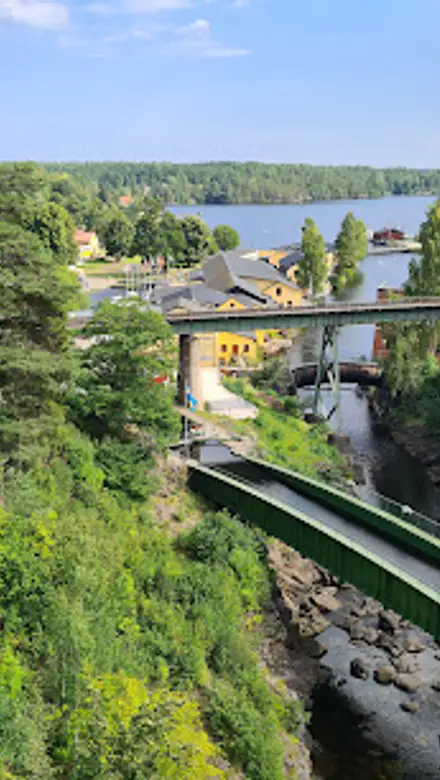
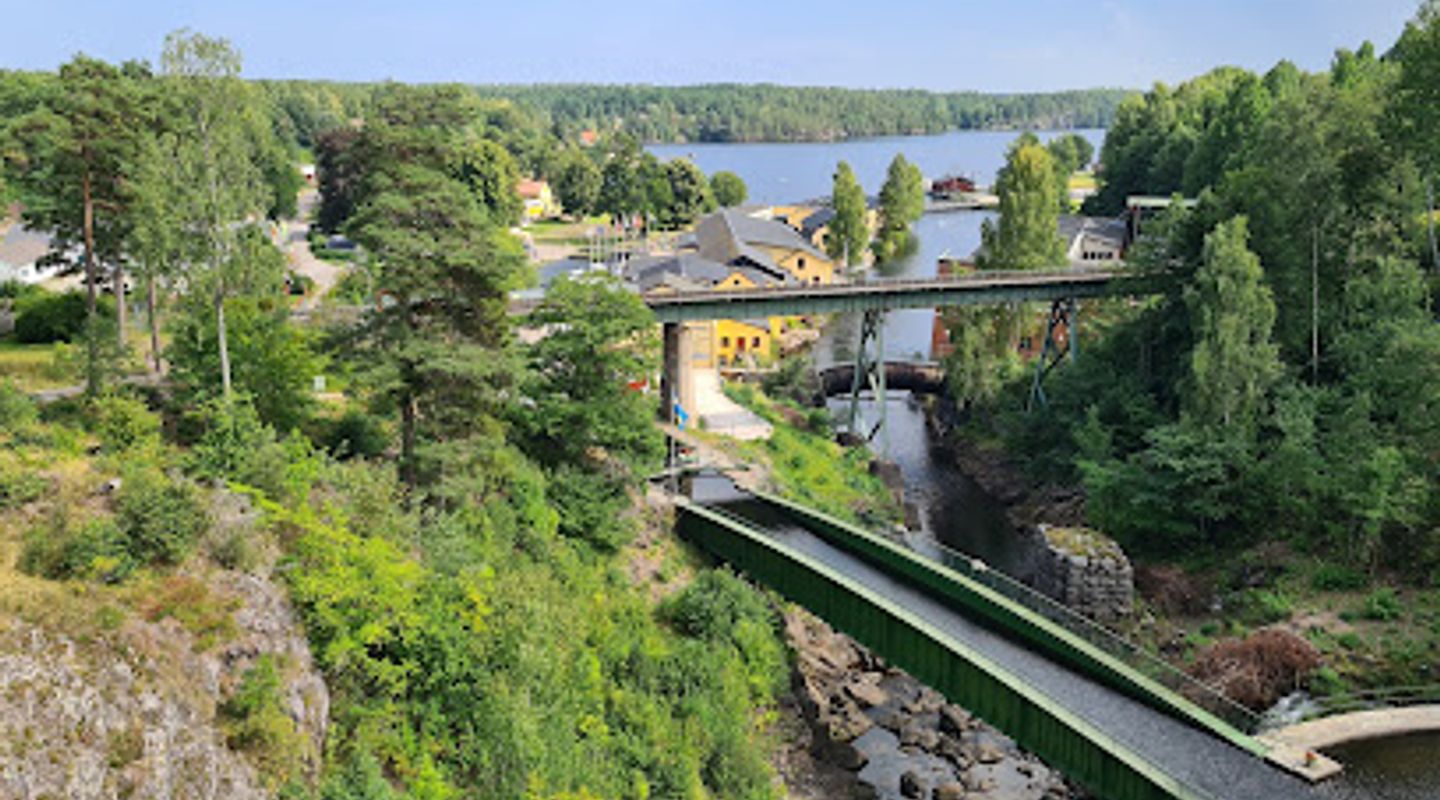
Kanalmuseet in Håverud is a small, hands-on museum devoted to the Dalsland Canal and life along the waterways, set beside the historic Håverud lock system. Exhibits recreate working environments — smithies, lock-keeper’s rooms and boatyards — and present tools, ledgers and machines that tell of canal construction, shipping and local industry from the 18th–20th centuries. Visitor-friendly and largely run by volunteers, the museum pairs well with a walk along the aqueduct and the village’s riverside sights.
On-site amenities
 Seating areas
 Information boards
 Restrooms
 Food options
 Visitor centre
Opening hours
- Mon11 am–4 pm
- Tue11 am–4 pm
- Wed11 am–4 pm
- Thu11 am–4 pm
- Fri10 am–4 pm
- Sat11 am–4 pm
- Sun11 am–4 pm
Opening hours as listed on the venue’s Google Business Profile. Hours can change for services and special events, so check with the venue before you go.
- Address
- Museivägen 3, 464 72 Håverud
- Phone
- Website
Getting there
By car — regional driving
Public bus + short walk
Bicycle / cycle
Discover more about Channel Museum
Where water and industry meet
Kanalmuseet occupies a compact site beside the notable Håverud lock and aqueduct, its displays built around the story of people who lived and worked along Upperudsälven and the Dalsland Canal. The museum’s arrangement emphasises practical, material culture: tools, machinery, logbooks and freight documents that map the slow movement of goods across lakes and through locks. Wooden models, recreated interiors and preserved implements combine to give a tactile sense of a working landscape shaped by water and seasonal labour.
Lives behind the timetables
Exhibits focus less on grand narratives and more on the daily rhythms of smiths, lock-keepers, sailors, sawmill workers and colliers whose routines were steered by river flow and shipping seasons. Period rooms and staged scenes are used to show how families lived, how small workshops functioned and how a local economy pivoted between ironworks, sawmills, brickyards and later pulp and paper activity. Scattered documents and personal objects give the impression of many modest, interconnected lives rather than a single heroic story.
Museum character and curation style
The museum’s displays are crafted with an almost theatrical approach: climate-stable showcases alternate with open, immersive vignettes where visitors can step into the atmosphere of a boatyard or a lock-keeper’s cottage. Lighting and materials underline the industrial past—aged timber, iron fixtures and hand-forged tools—while explanatory panels provide concise historical context and technical notes about canal engineering and craft techniques.
Setting and senses
Because the museum sits immediately adjacent to the canal’s locks and the famous iron aqueduct, the soundscape and views are part of the exhibit. You’ll hear water sluicing, wooden hulls creaking and the faint clank of metal from boats or demonstrative machinery; on clear days reflections on the river and the rhythm of passing vessels extend the museum’s narrative into the landscape. Seasonal light changes the mood sharply: crisp winter sun or the long, warm evenings of summer each give the site a different character.
Visitor experience and practicalities
The museum is compact and easy to move through in an hour or two, yet detailed enough to reward a slower pace—especially for those interested in industrial archaeology, canal engineering or rural social history. Exhibitions are presented in Swedish but are straightforward in layout; tactile objects and reconstructed spaces help bridge language for non‑Swedish speakers. The museum operates seasonally for general visitors and accepts prebooked group visits year-round.
Local connections and community role
Kanalmuseet is closely tied to local heritage organisations and volunteer networks; much of the collection and interpretation reflects community memory and donated material. Beyond the displays the museum acts as a node connecting other local attractions—historic waterways, the aqueduct and small industrial sites—so a visit often becomes part of a wider, slow-paced exploration of Dalsland’s waterways and working past.
Evendo Review Centre
 Google
Guest reviews
Best time to go
Quietest: Jan, Feb & Dec · before 9am or from 8pm
Busy times are Evendo estimates for a typical year, to help you plan. Actual crowds vary with events, school holidays and the weather.
Explore Channel Museum on the map
A handpicked selection of must-see spots near Channel Museum, mapped for you.
Get your free copy of our complete guide to Channel Museum, delivered straight to you.
Everything on this page, from opening hours and how to get there to Eve’s tips and the best time to go, in one PDF you can read offline, print or share.
Already have an account? Sign in
Your Channel Museum guide is ready.
We'll send it to · Not you? Sign out

Getting your guide ready…
We are putting together a fresh copy of the Channel Museum guide. This can take up to a minute.
This can take a few moments. If your browser asks, choose Allow so the download can start. You'll find the guide in your Downloads folder.
Nothing happened? Download it again
Sorry, the guide is taking longer than usual. Please try again in a minute, or get it by email instead.
Other nearby places you may find interesting
The closest places of the same kind, if this one is not quite what you had in mind.
-
-
-
-
-


Swipe for more places
More to explore near Channel Museum

 Best experiences near Channel Museum
 Best hotels near Channel Museum
 Best landmarks near Channel Museum
 Best attractions near Channel Museum
 Best shops near Channel Museum
 Best restaurants near Channel Museum
 Best bars near Channel Museum
Do you manage this location?
Take control to get all the benefits, like improved information, better appearance, and stronger visibility across AI-powered discovery.
Explore more

Explore more of Västergötland
Discover Västergötland: A blend of historical treasures, natural beauty, and cultural richness in the heart of Sweden.
Explore Västergötland
Explore more of Sweden
Discover Sweden's breathtaking landscapes, vibrant cities, and rich cultural heritage. From the Northern Lights to historic castles, experience the essence of Scandinavia.
Explore Sweden