
Delsjön, Vastergotland Travel Guide
Two tranquil lakes, rocky ridges and forest trails — a compact wilderness on Gothenburg’s doorstep for swims, runs and peaceful escapes.
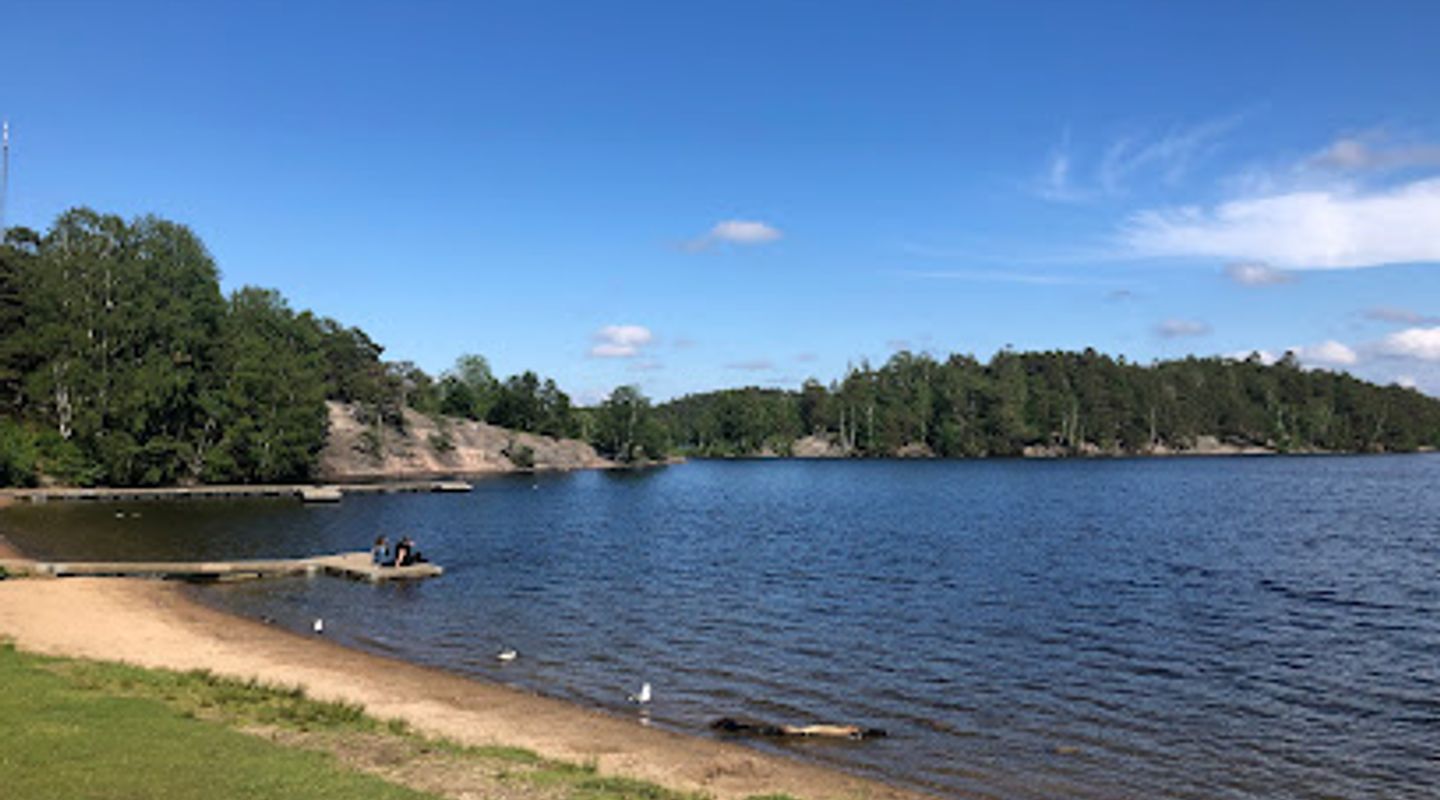
Delsjön is a dual-lake nature reserve on Gothenburg’s eastern edge, combining forested ridges, swimming beaches and miles of marked trails for walking, running and mountain biking. The area’s two linked lakes — Stora and Lilla Delsjön — are ringed by rocky outcrops, picnic clearings and a handful of rustic cafés, making it a year-round urban escape for nature lovers and families.
A brief summary to Delsjön
- Gothenburg, SE
- Duration: 0.5 to 6 hours
- Free
-
 Outdoor
- Mobile reception: 4 out of 5

Know before you go
Hi, I'm Eve. Here are a few practical things to know before exploring Delsjön.
- Bring sturdy shoes for uneven rocky trails and a light windproof layer — weather by the lakes can change quickly.
- If you plan to swim, use the designated beach areas and be cautious on slippery rocks; jetties and sandy banks are the safest entry points.
- Respect wildlife zones and reedbeds — keep dogs under control and carry out all rubbish to help preserve the reserve.
- Check local huts or café opening times in advance if you want a hot drink; services are seasonal and vary by day.
Do you manage this location?
Take control to get all the benefits, like improved information, better appearance, and stronger visibility across AI-powered discovery. Learn more about listing your business on Evendo
Activate your presenceOther nearby places you may find interesting
The closest places of the same kind, if this one is not quite what you had in mind.
Explore Delsjön on the Map
A handpicked selection of must-see spots near Delsjön, mapped for you.
Unlock the Best of Delsjön
Buy tickets
-
No tickets available
Book tours with entry

Book tours without entry
-
No tours available
Getting There
-
Tram + Walk
Public tram: from central Gothenburg take the tram that serves the eastern districts to the Topelsgatan/Töpelsgatan stop (typical journey 20–30 minutes). From the stop allow a 10–25 minute walk along marked paths or forest tracks to reach the main lakeside entrances; paths include short uphill sections and can be uneven. Tram fares use the regional public-transport ticket system (approx. 30–50 SEK single adult fare depending on ticket type).
-
Car
Drive from Gothenburg: parking is available at the main car parks near the reserve (journey around 15–25 minutes from the city centre depending on traffic). Parking may be charged seasonally via local parking apps or pay stations (typical fee range 20–60 SEK depending on duration and location). Expect forested approach trails from parking areas to lakeside points and limited formal disabled parking at main lots.
-
Bus + Short Hike
Regional bus services connect eastern suburbs to stops within a 15–30 minute walking radius of Delsjön entrances; total travel time from central tram/bus hubs typically 25–45 minutes. Walking approaches vary from flat paths to short hills; services operate on regular schedules but frequency reduces in late evenings and on public holidays. Single bus fares align with the regional ticketing system (approx. 30–50 SEK).
For the on-the-go comforts that matter to you
-
 Restrooms
-
 Drink Options
-
 Food Options
-
 Seating Areas
-
 Picnic Areas
-
 Trash Bins
-
 Information Boards
Discover more about Delsjön
Landscape where city gives way to forest
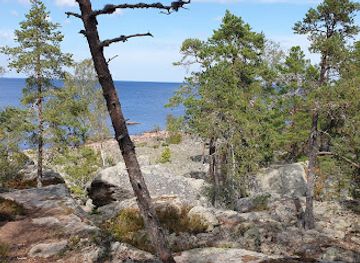
Delsjön is formed by two neighbouring lakes — Stora Delsjön and Lilla Delsjön — set inside a patchwork of pine and birch woodland, heath and exposed bedrock. The reserve’s rolling ridges and shallow valleys create a compact but varied terrain: pockets of open water sit beside narrow inlets, sandstone ledges offer sudden viewpoints, and quiet bays host reedbeds and birdlife. The result is an accessible wilderness that still feels remote despite being close to urban Gothenburg.Active recreation arranged around water
The lakes are the focus: a sandy public beach, rock-jumping spots and jetties invite summer swims; options for canoeing and rowing are common, and small craft are launched from designated points. A system of clearly marked paths loops both lakes, with a popular 7–8 km circuit that is used for family strolls, brisk runs and mountain-biking. Seasonal uses shift with the weather — swimming and boating in warm months, cross-country running and brisk forest walks in shoulder seasons, and still, frosted landscapes in winter.Human touches: cottages, cafés and informal facilities
Scattered through the reserve are simple wooden cafés and shelters, picnic clearings and barbecue spots that give Delsjön a lived-in, communal character. These small buildings — painted woods and rustic cabins — act as meeting points after a loop on the trails or a swim at the beach. Information boards at main entrances provide maps and local regulations; benches and grass banks beneath towering pines are frequent places to stop and take in the light over the water.Wildlife, flora and seasonal moods
The mixture of water, marsh and forest supports varied birdlife, amphibians and small mammals; reedbeds and shallow shores provide habitat for waterfowl in spring and autumn migration periods. On the forest floor, bilberry and lingonberry patch the understory in summer, while moss and lichen cling to the exposed rock. Seasonal colour shifts dramatically: a soft green canopy in late spring, dense deep greens through summer, a crisp palette of russets and golds in autumn, and a stark, graphic winter where the shoreline silhouette becomes the landscape’s principal feature.Character and visitor experience
Delsjön feels informal rather than curated: paths vary from smooth, wide loops to narrower natural tracks; rocky promontories provide informal vantage points; small beaches and jetties allow intimate contact with the water. The reserve accommodates both short visits — a coffee at a lakeside hut or a quick swim — and longer escapes, where walkers follow ridge-lines and backcountry trails to find quieter coves. Soundscapes change with activity: children playing at the beach, conversational murmur near cafés, or long stretches of hush interrupted only by birdsong.Practical considerations and preservation ethos
Facilities are intentionally simple to preserve the area’s character: expect basic rest spots, clear signage at main entrances and some seasonal service at cafés and huts. The reserve is managed to balance recreation with nature conservation, so visitors are asked to respect marked trails, carry out litter, and avoid disturbing wildlife — especially around reedbeds and nesting areas. Its proximity to Gothenburg means Delsjön functions as both a local daily retreat and a multi-hour nature outing depending on how much of the trail network you explore.












Your all‑in‑one travel companion app
Explore expert travel guides, compare and book tours, experiences, hotels, and more—all from the palm of your hand. Download now for seamless trip planning wherever your wanderlust takes you.


Explore More of Vastergotland
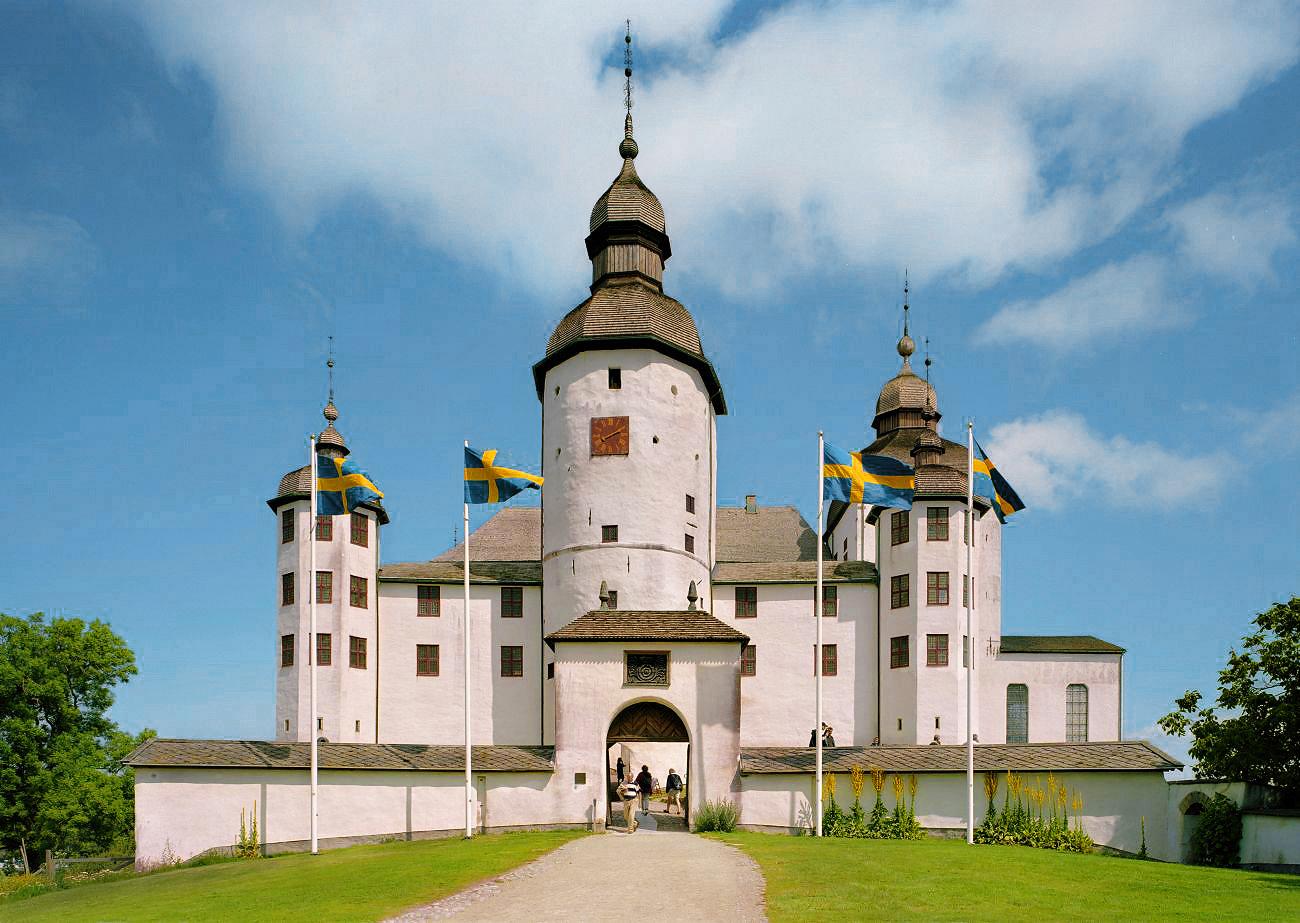
Looking beyond Delsjön? Discover Vastergotland for broader travel guides, local hot-spots, and regional highlights.
Explore Vastergotland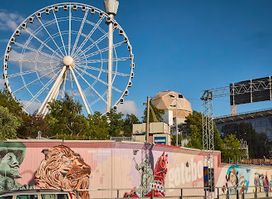
Ascend 60 meters for sweeping Gothenburg panoramas from Liseberg's iconic Ferris wheel, blending serene views with amusement park magic year-round.

Scale the heights of wooden coaster glory on Balder, where blistering speed and skyward drops etch unforgettable thrills into Gothenburg's Liseberg skyline.
