

Ekornavallen, Vastergotland Travel Guide
A windswept plateau of passage graves, mounds and standing stones—Ekornavallen fuses 4,000 years of burial practice across open Swedish fields.
Ekornavallen is a sprawling prehistoric burial landscape on a flat plateau near Broddetorp, Sweden, where monuments from the Stone, Bronze and Iron Ages sit amid open fields and pasture. Expect passage graves, standing stones, burial mounds and stone settings clustered across grassy knolls—an archaeological palimpsest used for more than 4,000 years that rewards slow exploration and quiet attention to weathered stone and sky.
A brief summary to Ekornavallen
- Broddetorp, 521 98, SE
- Click to display
- Duration: 0.5 to 2 hours
- Free
-
 Outdoor
- Mobile reception: 3 out of 5

Know before you go
Hi, I'm Eve. Here are a few practical things to know before exploring Ekornavallen.
- Dress for exposure—the plateau is open and windy; layered clothing and sturdy shoes make exploring grassy and uneven ground easier.
- Move slowly and respect the stones—avoid climbing on fragile monuments and stay on durable ground where possible to protect archaeology.
- Bring a field guide or notes on Neolithic–Iron Age monuments to help identify passage graves, cairns and standing stones while you explore.
Do you manage this location?
Take control to get all the benefits, like improved information, better appearance, and stronger visibility across AI-powered discovery. Learn more about listing your business on Evendo
Activate your presenceOther nearby places you may find interesting
The closest places of the same kind, if this one is not quite what you had in mind.
Explore Ekornavallen on the Map
A handpicked selection of must-see spots near Ekornavallen, mapped for you.
Getting There
-
By car
Private car is the most direct option from nearby towns; typical drive times from Falköping are about 20–30 minutes depending on route and traffic. Expect rural single-lane roads and limited parking at lay-bys; in high season parking can be constrained and surfaces may be unpaved, so low-clearance cars should take care.
-
Regional bus + walk
Take a regional bus service to the nearest village (service frequency varies seasonally), then walk across fields or along country lanes for approximately 20–40 minutes over uneven terrain; check timetables for return journeys as rural services may run only a few times per day and are subject to seasonal schedules.
-
Cycling
Cycling from nearby settlements typically takes 30–60 minutes depending on start point; routes include quiet rural roads and gravel tracks. Terrain is generally rolling rather than steep, but expect exposed sections and limited sheltered storage at the site.
For the on-the-go comforts that matter to you
-
 Seating Areas
-
 Information Boards
-
 Trash Bins
Discover more about Ekornavallen
Ancestral landscape in plain sight
Ekornavallen unfolds across a broad, gently sloping plateau whose low horizon makes even modest stones read as intentional markers against the sky. The site is not a single monument but a scattering of graves, standing stones and cairns laid down over millennia; walking here feels like passing through chapters of northern European prehistory, from Neolithic passage graves to Iron Age stone settings. The terrain is largely open grassland punctuated by rocks and low rises where the most striking remains sit, their silhouettes most effective on an overcast or late-afternoon sky.Monuments and what they reveal
Key features include a large passage grave—one of the oldest constructions here—several Bronze Age mounds whose earthen forms conceal chambers, and numerous Iron Age standing stones and stone circles. Many stones align in near-straight rows and some bear cup-markings or bowl-shaped hollows; their arrangement hints at long-lived ritual patterns and reuse of earlier material. The variety of forms makes the site a compact catalogue of prehistoric funerary practice: collective passage burials, individual mounds and commemorative standing stones all coexist within a few hectares.Sense of deep time and continuity
What distinguishes Ekornavallen is the remarkable continuity of use: burials and memorials here span roughly four thousand years, so the place reads as an archaeological layering rather than as discrete, isolated monuments. That continuity alters the atmosphere—there is a tangible sequence in which later communities set stones beside or atop earlier graves, sometimes reusing fragments from older structures. This palimpsest quality invites slow observation; small differences in stone shape, weathering and setting carry clues about changing practices and priorities across millennia.Landscape, setting and seasonal character
The plateau setting gives visitors wide sightlines to surrounding farmland and distant wooded edges; light and wind shape the mood here more than any architectural framing. Grass and low scrub alternate with patches of exposed rock, and under different seasons the site’s character shifts: summer brings long grassy carpets and insects, autumn offers stark contrast between lichen-stippled stones and bare fields, and winter reduces the place to a monochrome of stone and sky. The openness also makes wind a notable presence; on breezy days the stones seem to register the passage of weather as much as human time.Archaeological value and curiosities
Excavations and surveys have revealed artifacts and construction techniques spanning Neolithic to Viking-era activity, giving Ekornavallen high research value. Certain standing stones may be repurposed roof slabs from earlier passage tombs; bowl marks and subtle tool traces on stone faces attract the attention of those interested in prehistoric workmanship. The arrangement of stones in some places has prompted debate about ancient routes or sightlines; whether these alignments marked processional ways, property divisions or cosmological registers remains part of the site’s open questions.Visitor experience and recommended approach
Ekornavallen rewards measured movement: pause at each cluster of stones, let the scale of the plateau settle, and allow the absence of overt signage or modern interventions to focus attention on material remains. The site’s composition encourages quiet, contemplative visits—bring weather-appropriate clothing and give yourself time for several short stops rather than a single pass-through. Sensory details—lichen fragrances after rain, birdsong in the grass, the tactile coolness of stone—add to an encounter that is as much about atmosphere as it is about archaeology.












Your all‑in‑one travel companion app
Explore expert travel guides, compare and book tours, experiences, hotels, and more—all from the palm of your hand. Download now for seamless trip planning wherever your wanderlust takes you.


Explore More of Vastergotland
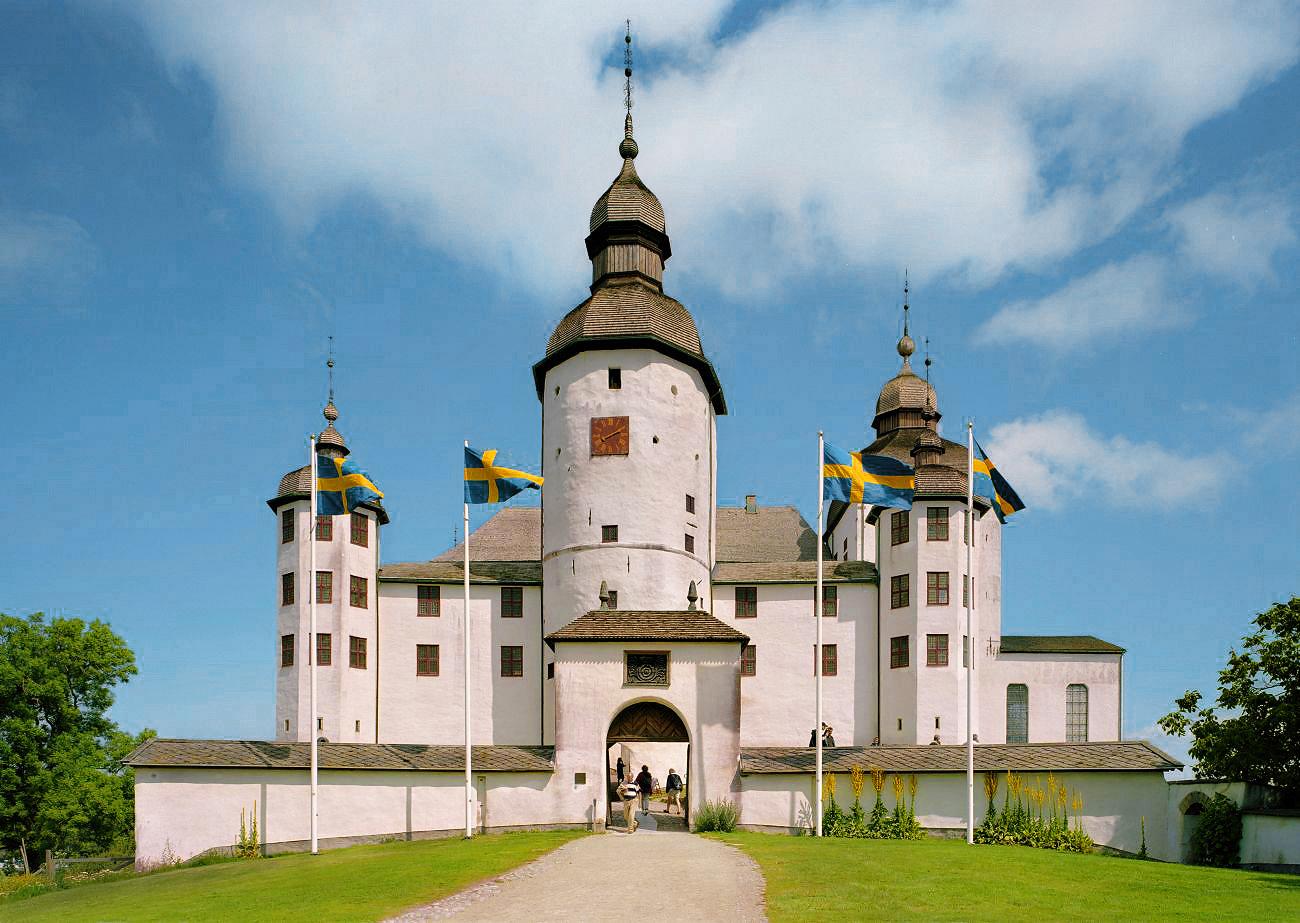
Looking beyond Ekornavallen? Discover Vastergotland for broader travel guides, local hot-spots, and regional highlights.
Explore Vastergotland
Dive into Lake Vänern's captivating history, vibrant aquatic life, and Lidköping's cultural legacy at this interactive lakeside museum.
Discover Lake Hornborga's crane haven at this pillar-borne visitor center, blending exhibits, trails, and birdwatching amid restored wetlands and plateau views.
