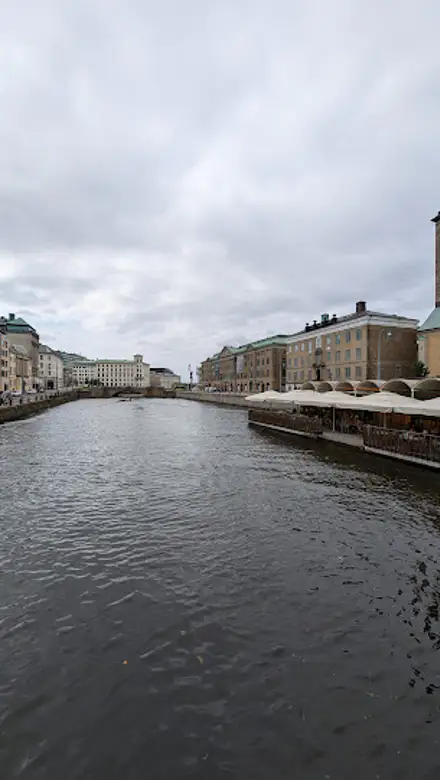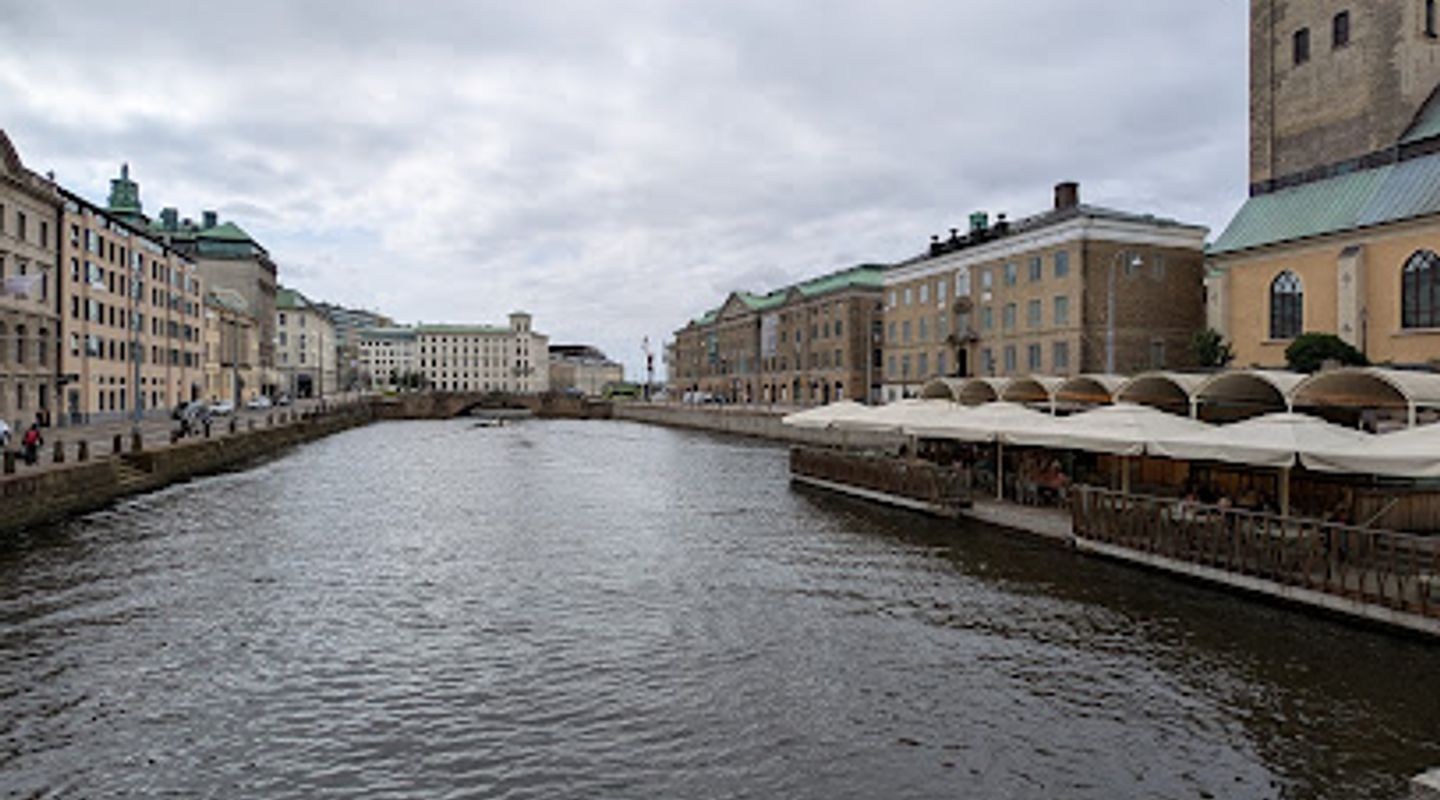
Gothenburg City Museum, Vastergotland Travel Guide
Journey through 12,000 years in the Ostindiska House: Vikings, Volvos, and Gothenburg's epic saga await in this treasure trove of history.
Housed in the elegant 18th-century Ostindiska House, Gothenburg City Museum offers a captivating journey through 12,000 years of the city's dramatic history. Explore Sweden's only preserved Viking ship, interactive exhibits on prehistoric eras, medieval life, and modern milestones like the world's first Volvo. Spanning four floors, the museum features permanent displays on Gothenburg's evolution from a fortified 17th-century outpost to a bustling port city, alongside temporary exhibitions and dedicated spaces for children. Free entry for under-20s and students makes it accessible for families.
A brief summary to Gothenburg City Museum
- Norra Hamngatan 12, Gothenburg, 411 14, SE
- Click to display
- Click to display
- Duration: 1.5 to 3 hours
- Budget
-
 Indoor
- Mobile reception: 5 out of 5
- Tuesday 10 am-6 pm
- Wednesday 10 am-8 pm
- Thursday 10 am-6 pm
- Friday 10 am-5 pm
- Saturday 10 am-5 pm
- Sunday 10 am-5 pm

Know before you go
Hi, I'm Eve. Here are a few practical things to know before exploring Gothenburg City Museum.
- Prioritize the Viking ship exhibit early; it's the museum's star attraction and draws crowds.
- Visit on Wednesdays for extended hours until 8pm, ideal for thorough exploration.
- Free for under-20s and students—perfect for families or budget travelers.
- Allow 2-3 hours; history enthusiasts may need more for interactive displays.
- Browse the museum shop for unique Swedish history souvenirs like replica artifacts.
Do you manage this location?
Take control to get all the benefits, like improved information, better appearance, and stronger visibility across AI-powered discovery. Learn more about listing your business on Evendo
Activate your presenceOther nearby places you may find interesting
The closest places of the same kind, if this one is not quite what you had in mind.


Explore Gothenburg City Museum on the Map
A handpicked selection of must-see spots near Gothenburg City Museum, mapped for you.
Unlock the Best of Gothenburg City Museum
Buy tickets
-
No tickets available
Book tours with entry
-
No tours available
Book tours without entry

Getting There
-
Tram
Trams 1, 2, 6, or 9 from central Gothenburg to Brunnsparken stop, 5-10 minutes, frequent service every 5-10 minutes, single ticket 32 SEK.
-
Walking
From Gothenburg Central Station, 15-20 minute flat walk along pedestrian-friendly streets and canals, fully accessible with no steep inclines.
-
Bus
Bus 18 or 60 to nearby Linnéplatsen or Valand, 8-12 minutes depending on traffic, operates every 10-15 minutes, 32 SEK fare.
-
Taxi
From airport or central areas, 10-20 minutes excluding rush hour, limited parking nearby, around 200-300 SEK.
For the on-the-go comforts that matter to you
-
 Restrooms
-
 Drink Options
-
 Food Options
-
 Seating Areas
-
 Sheltered Areas
-
 Information Boards
Discover more about Gothenburg City Museum
Origins in the Ostindiska House
The Gothenburg City Museum occupies the historic Ostindiska House, a grand structure built in the 1750s as the headquarters of the Swedish East India Company. This rococo gem on Norra Hamngatan reflects the prosperity of Gothenburg's trading heyday, with its ornate facade and interiors evoking the era of spice voyages and exotic imports. Inside, the building's architecture sets the stage for a narrative that spans millennia, blending the tangible remnants of commerce with the intangible stories of human endeavor.Viking Legacy and Prehistoric Depths
Step back 12,000 years to the museum's core exhibitions, where Sweden's sole preserved Viking ship commands attention. Unearthed from local waters, this vessel reveals the seafaring prowess of Norse ancestors, complete with artifacts like weapons, tools, and enigmatic silver hoards. Adjacent displays delve into the Stone Age and Ice Age, showcasing skeletal remains, flint tools, and recreated dwellings that illuminate survival amid glacial retreats. These sections immerse visitors in the raw forces that shaped the region's earliest inhabitants.Medieval and Early Modern Transformations
Ascending the floors, the medieval gallery recreates Gothenburg's fortified origins in the 1600s, when Dutch engineers under King Gustav II Adolf laid out a bastion town amid swamps. Life-size dioramas depict plague outbreaks, bustling markets, and guild halls, with authentic period clothing and weaponry. The narrative progresses to the 1700s Enlightenment, highlighting philosophical shifts and urban expansion, punctuated by the East India trade's opulent influences evident in the very walls enclosing the exhibits.Industrial Boom and 20th-Century Icons
The upper levels chronicle Gothenburg's 19th-century industrialization and 20th-century triumphs. Marvel at the world's first Volvo car, a symbol of Swedish innovation, alongside shipbuilding relics from the city's harbor dominance. Exhibits on labor movements, wartime neutrality, and post-war welfare state development feature interactive elements like replica trams and audio recreations of factory whistles. Temporary shows, such as explorations of local psychiatric history, add contemporary layers to this chronological tapestry.Family Realms and Interactive Wonders
Dedicated to younger explorers, the top-floor Children's Museum buzzes with hands-on activities mimicking historical trades, from blacksmithing to sailing. Multisensory installations encourage play-based learning, fostering curiosity about heritage. The museum's cloister garden provides a serene outdoor pause, echoing monastic tranquility amid urban hustle. These elements ensure the institution resonates across generations, transforming history from dusty facts into lived experiences.Cultural Tapestry and Enduring Significance
Beyond artifacts, the museum weaves themes of resilience, migration, and reinvention, positioning Gothenburg as a microcosm of Sweden's story. From Viking raids to modern multiculturalism, each gallery underscores the port's role as a gateway between worlds. The collection, one of Sweden's largest cultural history assemblages, invites reflection on continuity amid change, making the Ostindiska House not just a repository, but a living chronicle of human ambition.












Your all‑in‑one travel companion app
Explore expert travel guides, compare and book tours, experiences, hotels, and more—all from the palm of your hand. Download now for seamless trip planning wherever your wanderlust takes you.


Explore More of Vastergotland
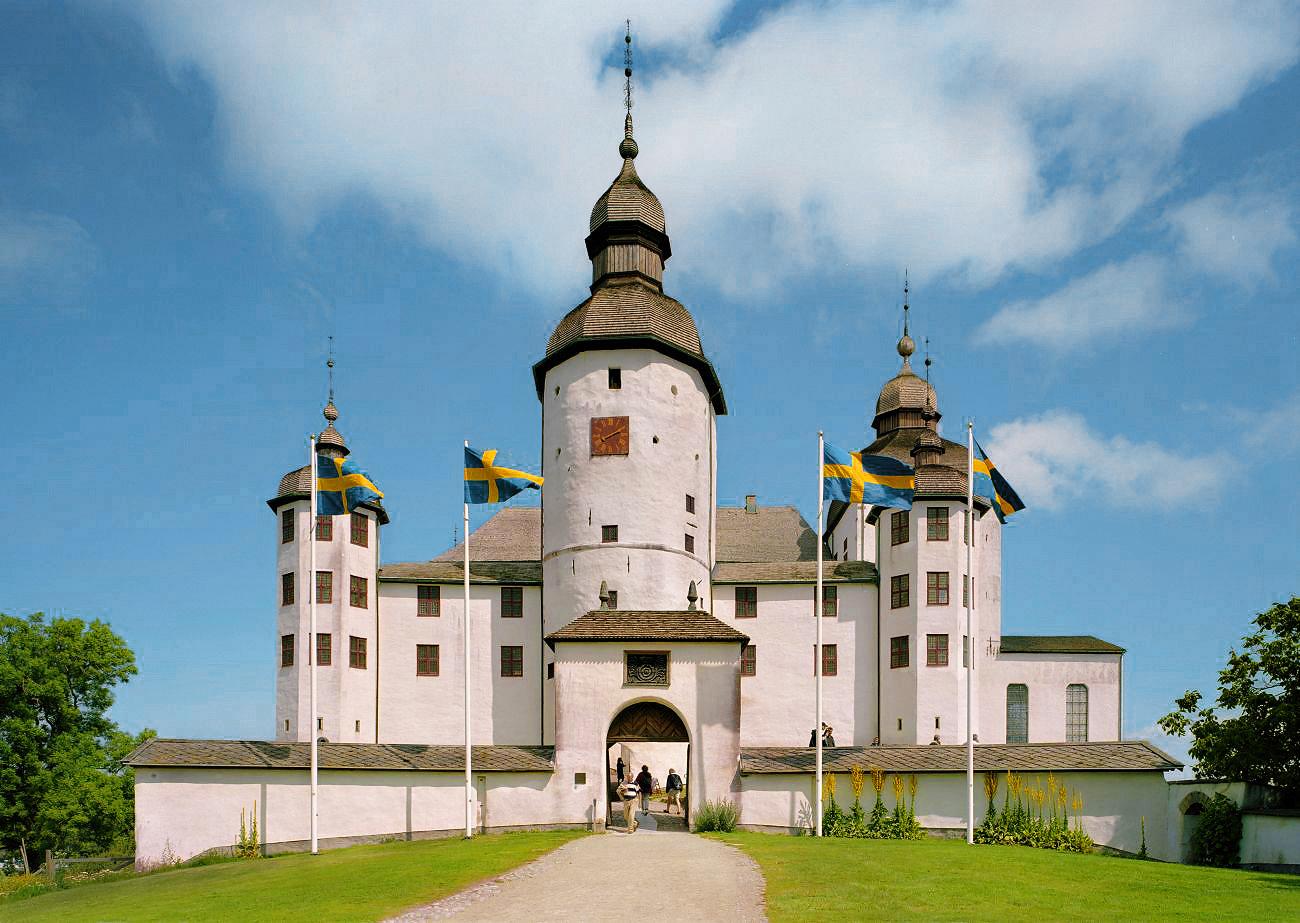
Looking beyond Gothenburg City Museum? Discover Vastergotland for broader travel guides, local hot-spots, and regional highlights.
Explore Vastergotland
A century‑old steamship moored at Stenpiren — historic charm, coastal cruises and onboard dining in Gothenburg's archipelago.
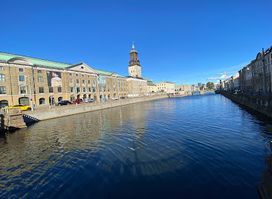
Journey through 12,000 years in the Ostindiska House: Vikings, Volvos, and Gothenburg's untold stories await in this treasure trove of history.