Rydals museum, Vastergotland Travel Guide
A fully preserved spinning-mill village where working textile machines, power plant relics and village buildings tell the region’s industrial story.
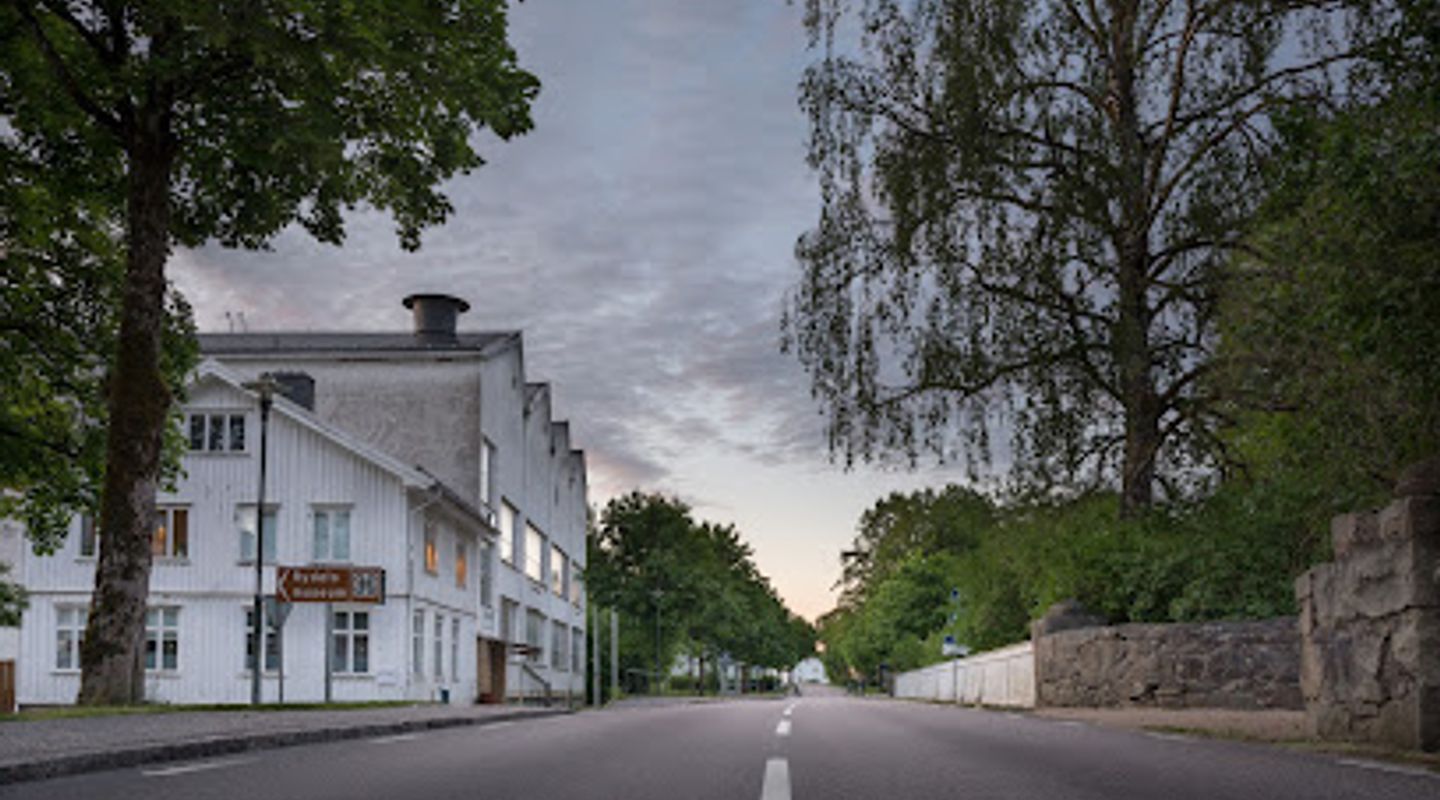
Rydals Museum sits in the well-preserved industrial village of Rydal and occupies an intact spinning-mill complex where textile machines, power plant equipment and workers’ buildings remain in place. The museum’s exhibitions tell the social and technological story of the region’s textile industry through working machinery, interactive displays and a compact historical landscape that includes the manor, mill halls and a short signposted walk around the settlement.
A brief summary to Rydals museum
- Boråsvägen 237, Rydal, 511 70, SE
- Click to display
- Click to display
- Duration: 1 to 2 hours
- Mid ranged
-
 Mixed
Mixed
- Mobile reception: 4 out of 5
- Thursday 12 pm-7 pm
- Friday 12 pm-4 pm
- Saturday 12 pm-4 pm
- Sunday 12 pm-4 pm

Know before you go
Hi, I'm Eve. Here are a few practical things to know before exploring Rydals museum.
- Allow 1–2 hours to explore the machine hall, exhibits and the short signposted village walk; wear comfortable shoes for uneven surfaces.
- Check seasonal opening hours before you visit; some indoor rooms and demonstrations may be limited outside main season.
- Bring a lightweight jacket — industrial buildings can feel cool and drafty even on mild days.
Do you manage this location?
Take control to get all the benefits, like improved information, better appearance, and stronger visibility across AI-powered discovery. Learn more about listing your business on Evendo
Activate your presenceOther nearby places you may find interesting
The closest places of the same kind, if this one is not quite what you had in mind.
Explore Rydals museum on the Map
A handpicked selection of must-see spots near Rydals museum, mapped for you.
Getting There
-
By car
Drive from the nearby regional centre by rural roads; typical travel time from a local town is 20–40 minutes depending on traffic and season; limited on-site parking in village areas means you may need to use a nearby public parking area and walk over uneven ground; no paid shuttle service is provided.
-
By regional bus
Take the regional bus that serves villages in the municipality — journey time from the nearest larger town is typically 25–50 minutes depending on service frequency; check the current timetable for weekend and holiday variations; expect a short walk on village lanes from the bus stop to the museum.
-
By bicycle
Cycle on local quiet roads and country lanes; typical ride from a nearby town is 30–70 minutes depending on route and fitness; routes include some gentle hills and narrow surfaces, and secure bike racks are limited so bring a sturdy lock.
For the on-the-go comforts that matter to you
-
 Information Boards
-
 Seating Areas
-
 Food Options
-
 Restrooms
-
 Visitor Center
Discover more about Rydals museum
Origins of a Textile Village
Rydals Museum preserves a whole chapter of Sweden’s textile era by keeping the spinning-mill complex and its village fabric visible and readable. The buildings you see today grew up around water- and steam-powered machinery, housing both production spaces and the homes, workshops and stores that made up a mill community. The site’s layout — mill halls clustered near the power plant, workers’ dwellings in close rows and the manor overseeing the estate — still shows the physical relationships between production, management and daily life.Machines That Keep Time
One of Rydals Museum’s most striking features is the machine hall: rows of spinning frames, carding and preparation equipment and ancillary plant remain in situ and in working order. The machines are not static props; they were maintained to demonstrate how raw fibre became thread and how the rhythms of the mill created both product and routine. The presence of original belts, pulleys and control wheels gives the hall a tactile mechanical character — the metallic tang of oil, the low hum of moving cast iron and the visual geometry of teeth and spindles.Exhibitions and Interpretation
Interpretive displays at the museum combine artefacts with audio-visual elements and hands-on features to explain technological processes and social change. Permanent exhibits focus on the rise of the local textile industry, workplace practices and domestic life in a mill village. Child-friendly elements and interactive stations distil complex processes into approachable demonstrations, while period objects (tools, worker kits and domestic equipment) connect industrial production to everyday experience.The Village Walk and Surroundings
Beyond the halls, Rydal retains a compact historical landscape: the manor house, workers’ cottages and former service buildings lie within a short, signposted walk around the site. Paths lead past stone foundations, small gardens and traces of utility infrastructure; together they give a sense of scale and rhythm to village life. The walk is brief but dense with material clues — stone bridges, cobbled yards and the placement of outbuildings — that sketch how industry shaped settlement patterns.Material Culture and Local Craft
Rydals Museum emphasises textile craft and local production traditions. Displays include finished fabrics, samples and tools from spinning and weaving, and the museum supports craft activity in the region by showcasing contemporary makers alongside historical objects. A small craft shop or nearby artisan stalls often present textile-based items and locally made ceramics or woodwork that reference the area’s industrial past.Character and Visitor Experience
The museum’s atmosphere is quietly evocative: smells of oil and wood mix with the cool stone of the buildings, and the scale feels human rather than monumental. The experience is tactile and sensory — you move close to machinery, peer into former workrooms and read labels about shift patterns and family lives. Seasonal lighting and modest interior fittings preserve the sense of an operational workplace frozen in time, while the overall ensemble reads as both an industrial exhibit and a preserved village core.












Your all‑in‑one travel companion app
Explore expert travel guides, compare and book tours, experiences, hotels, and more—all from the palm of your hand. Download now for seamless trip planning wherever your wanderlust takes you.


Explore More of Vastergotland
Looking beyond Rydals museum? Discover Vastergotland for broader travel guides, local hot-spots, and regional highlights.
Explore Vastergotland