Tresticklan National Park, Vastergotland Travel Guide
A quiet, road‑free patch of ancient pine, lakes and fractured bedrock — true southern Swedish wilderness on the Norway border.
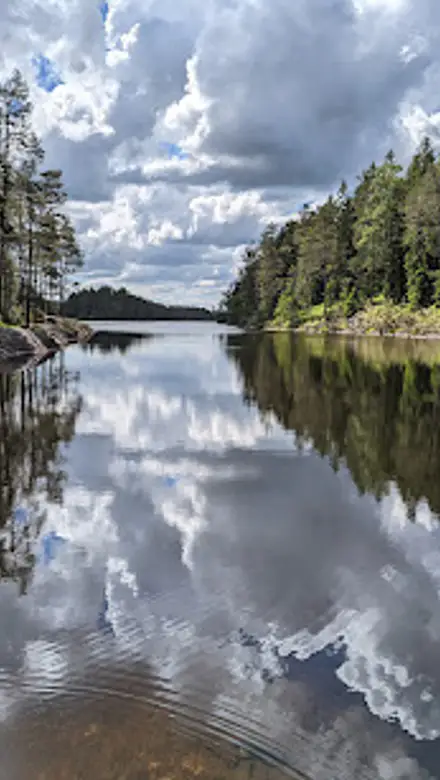
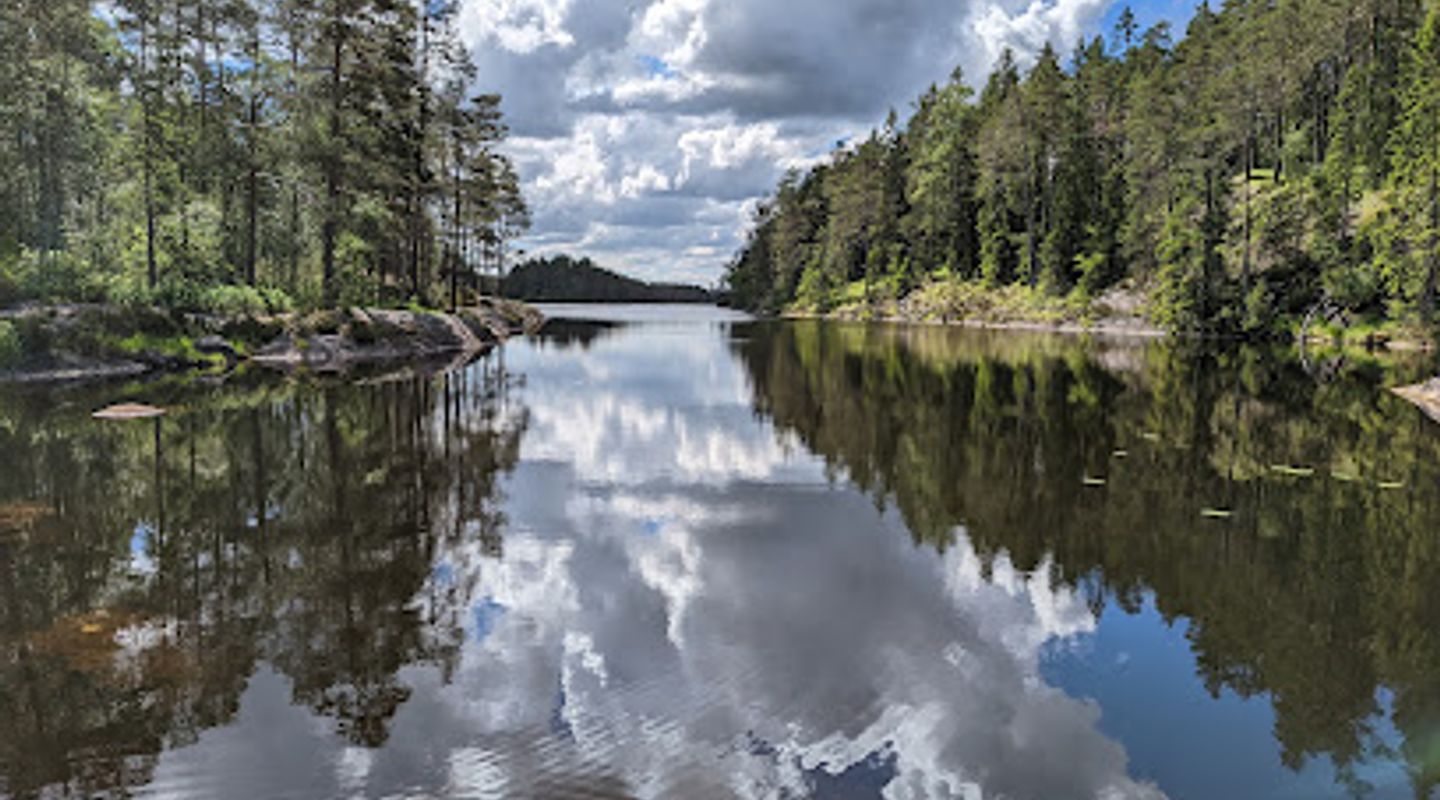
Tresticklan National Park preserves an unbroken stretch of old-growth pine forest, lakes and fissured bedrock on Sweden’s western borderlands. Created to protect one of southern Scandinavia’s last road-free wildernesses, the park offers marked trails, remote lakeside campsites and a landscape of lichen-draped pines, bogs and bare rock ribs carved by ancient ice. It’s ideal for multi-hour hikes, wildlife listening and soaking in quiet, expansive forest scenery.
A brief summary to Tresticklan National Park
- Lundby, SE
- Click to display
- Click to display
- Duration: 1 to 8 hours
- Free
-
 Outdoor
- Mobile reception: 2 out of 5

Know before you go
Hi, I'm Eve. Here are a few practical things to know before exploring Tresticklan National Park.
- Carry a detailed map and compass; some interior trails are indistinct and GPS can be unreliable under dense canopy.
- Bring water or a filter — few reliable drinking points exist away from the main entrance and lakeside sources may need treatment.
- Respect rules: no cutting live wood or open fires in most parts of the park; use a camping stove where allowed and follow Leave‑No‑Trace principles.
- Dress for changeable weather and boggy ground: waterproof boots, warm layers and gaiters can make a big difference on wet trails.
Do you manage this location?
Take control to get all the benefits, like improved information, better appearance, and stronger visibility across AI-powered discovery. Learn more about listing your business on Evendo
Activate your presenceOther nearby places you may find interesting
The closest places of the same kind, if this one is not quite what you had in mind.
Explore Tresticklan National Park on the Map
A handpicked selection of must-see spots near Tresticklan National Park, mapped for you.
Getting There
-
Car (from regional centres)
Drive to the park’s main car park at the Råbocken entrance; typical travel time from the nearest town in the region is 25–60 minutes depending on start point and road type. Expect narrow rural roads and limited parking capacity at peak season; no tolls apply but some approach roads may be gravel and slow in winter. There is no charge to enter the park.
-
Local bus and taxi combination
Use scheduled regional bus services to the nearest village (journey typically 30–90 minutes from larger towns) then take a local taxi for the final leg to the park entrance; combined travel time is commonly 45–120 minutes depending on connections. Bus services run less frequently outside summer; taxi prices vary but expect a local fare roughly in the range of 200–600 SEK for the final transfer depending on distance and season.
-
Guided walk or shuttle from nearby operators
Book a guided day hike or shuttle from nearby visitor hubs; guided options typically last 4–8 hours including transport and cost from approximately 300–900 SEK per person depending on group size and operator. These guided services are seasonal and may require advance booking, especially in summer.
For the on-the-go comforts that matter to you
-
 Restrooms
-
 Seating Areas
-
 Information Boards
Discover more about Tresticklan National Park
Ancient forest and the shaping of the land
Tresticklan is dominated by a forest that escaped modern clear‑felling: tall, slow‑growing pine stands, fallen trunks rich with fungus and insects, and carpets of reindeer lichen that muffle footsteps. The bedrock here is fractured into long, narrow ridges and valleys — a joint‑valley landscape — so you move between rocky ramps and wetter hollows where bog and pond have gathered. Small clear lakes punctuate the terrain, their shores often fringed with sedge and heath, giving the park a mixture of open water, raised bog and dense forest.Wildlife, quiet encounters and seasonal shapes
Fauna typical of southern Scandinavian wildernesses lives here: elk (moose) and roe deer leave tracks and browsed branches, pine marten and foxes slip through the understory, and birds of old‑growth pines — capercaillie, black grouse and woodpeckers — find nesting sites in standing deadwood. In summer evenings you may hear the purring of nightjars or the distant call of thrushes; in late autumn the forest becomes a muted palette of browns and grey, and winter brings a clear hush to the snow‑covered ridges.Trails, remote campsites and the feel of wilderness
Marked routes thread the park, from short lakeside loops to longer segments that join regional long‑distance paths. Several simple campsites and wind shelters permit overnight stays; wild camping for limited periods is part of the park’s low‑impact offering. Trails range from well‑graded approach paths near entrances to rougher forest tracks inland: expect roots, rock steps and sometimes boggy stretches. Some viewpoints, such as the higher ridges, give unbroken outlooks across forest and water, emphasising the park’s roadless character.Human traces and cultural threads
Although largely unexploited in recent forestry history, the landscape contains traces of earlier human presence: old boundary markers, small croft sites at the park margins and long‑used routes that once linked communities. The park’s name reflects local naming traditions linked to lakes and landforms, and its designation as a national park protects both natural values and subtle cultural footprints left by generations who have used the forest sparingly for hunting, foraging and seasonal grazing.Practical atmosphere for visitors
The main entrance area provides basic orientation — information boards, a parking area and accessible paths — but beyond that the park’s tone is intentionally minimal: maps, markers and simple shelters rather than developed facilities. Weather changes quickly; trails can be wet in shoulder seasons and snow‑packed in winter. The prevailing experience is solitude and sensory detail: the smell of resin and moss, the sharp scrape of boots on rock and the wide, steady quiet between wind gusts.Conservation significance and why it matters
Tresticklan protects one of southern Sweden’s most intact stretches of forested wilderness and specialist habitats dependant on deadwood and old pines. These habitats support rare invertebrates, specialist birds and a forest ecology increasingly rare at lower latitudes in Europe. The park’s protected status preserves natural processes — decay, regeneration and the slow choreography of species interactions — that are important both locally and for broader biodiversity networks across the Scandinavian border region.More to explore near Tresticklan National Park













Your all‑in‑one travel companion app
Explore expert travel guides, compare and book tours, experiences, hotels, and more—all from the palm of your hand. Download now for seamless trip planning wherever your wanderlust takes you.


Explore More of Vastergotland
Looking beyond Tresticklan National Park? Discover Vastergotland for broader travel guides, local hot-spots, and regional highlights.
Explore Vastergotland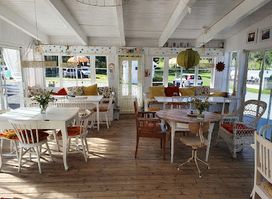
Lakeside family camping with a cosy café, guest harbour and a gateway to Dalsland’s forests and waterways.
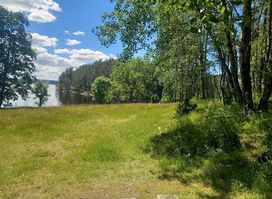
Discover botanical wonders, deserted farm ruins, and serene lakeside trails in this Dalsland Natura 2000 gem—a peaceful retreat blending nature's richness with cultural echoes.