Gävle Castle, Vastmanland Travel Guide
A modest, well-preserved civic castle in central Gävle where regional history and restrained architecture meet in quiet courtyards and exhibition rooms.
Gävle Castle — a compact, brick-built civic castle in the heart of Gävle — traces its origins to a 16th-century royal foundation and later civic rebuilding. Today the low, ordered façade, courtyards and museum spaces sit alongside municipal institutions, offering a quiet, architectural encounter with Sweden’s regional history and occasional exhibitions and guided visits.
A brief summary to Gävle Castle
- Södra Kansligatan 2, Gävle, 802 52, SE
- Click to display
- Click to display
- Duration: 0.5 to 2 hours
- Budget
-
 Mixed
Mixed
- Mobile reception: 4 out of 5

Know before you go
Hi, I'm Eve. Here are a few practical things to know before exploring Gävle Castle.
- Check opening times before planning an interior visit; the grounds are often viewable from outside even when exhibitions are closed.
- Allow 1–2 hours to explore both interior displays and exterior courtyards; combine with nearby heritage sites for a half-day of local history.
- Photography of the exterior is best in clear light when brick tones are richest; watch for reflections on wet stone after rain.
Do you manage this location?
Take control to get all the benefits, like improved information, better appearance, and stronger visibility across AI-powered discovery. Learn more about listing your business on Evendo
Activate your presenceOther nearby places you may find interesting
The closest places of the same kind, if this one is not quite what you had in mind.
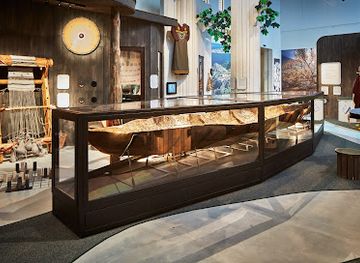
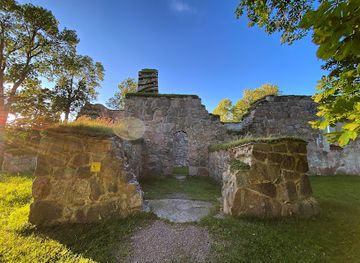
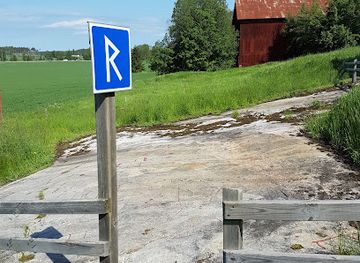
Explore Gävle Castle on the Map
A handpicked selection of must-see spots near Gävle Castle, mapped for you.
Getting There
-
Public bus
Local city buses serve central Gävle; from major stops in the town centre expect a 5–12 minute ride followed by a short level walk across paved streets to the castle. Services run frequently during daytime hours but reduce in frequency evenings and Sundays; single-ride fares are charged in Swedish krona (SEK), typically in the single-digit to low double-digit range depending on fare zone and ticket type.
-
Taxi or rideshare
A taxi from Gävle railway station typically takes 6–12 minutes depending on traffic; fares are charged in SEK and usually range from modest to mid-range for short urban journeys. Taxis drop passengers at curbside close to the castle but note that some civic courtyards are pedestrianised so final access may be on foot.
-
Walking from nearby neighbourhoods
If you’re already in Gävle’s central area, a walk of 10–20 minutes across mostly level pavements will bring you to the castle. Pavements and courtyards are generally accessible, though some thresholds and cobbles may present minor challenges for wheelchairs or pushchairs; allow extra time for a gentler pace.
For the on-the-go comforts that matter to you
-
 Information Boards
-
 Seating Areas
-
 Restrooms
Discover more about Gävle Castle
An origin in royal ambition
Gävle Castle began life as a late 16th-century royal foundation when Sweden’s monarchy established a fortified residence here; the present silhouette preserves that lineage even though much has been adapted for civic use over centuries. The building’s masonry and restrained decorative details reflect the austere Swedish interpretation of renaissance and later neoclassical influences, a practical civic castle rather than an ostentatious palace.The castle’s architectural character
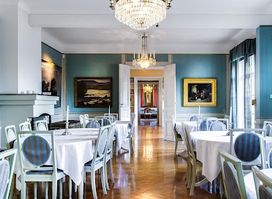
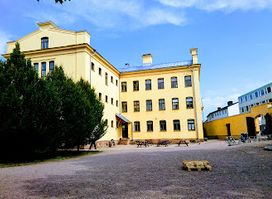
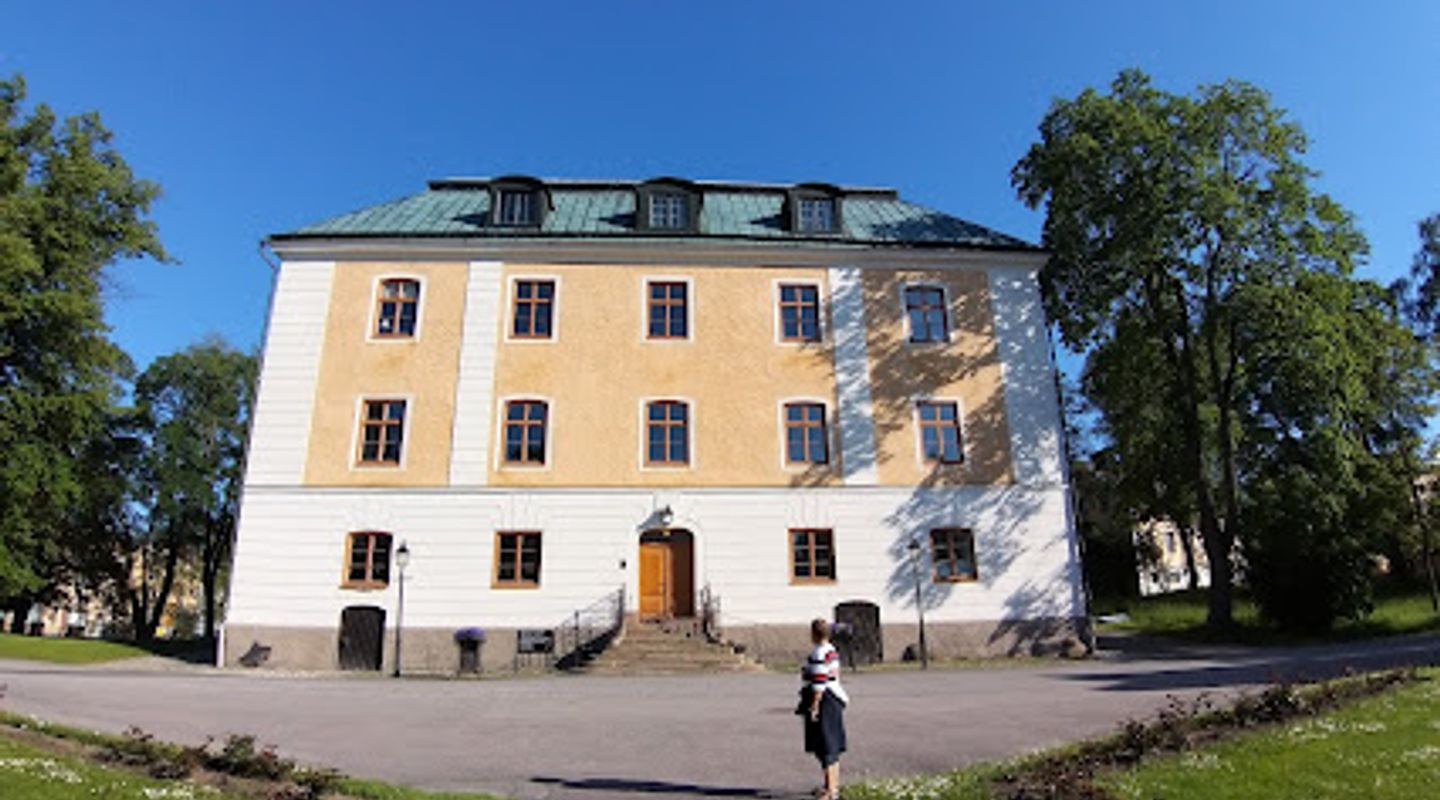
From the street the castle reads as a low, horizontal block punctuated by carefully proportioned windows and a modest tower presence that hints at earlier defensive functions. The brickwork, stone dressings and slate rooflines combine to create a compact, sober aesthetic that suits Gävle’s coastal climate and pragmatic urban fabric. Interior rooms retain period proportions and materials where preserved, while later adaptations accommodate exhibition spaces and municipal uses.A patchwork of functions across time
Over the centuries the site has alternated between royal residence, administrative centre and public building; traces of these layers are visible in reused stones, patched façades and the variety of internal volumes. Courtyards and service alleys reveal the castle’s working side, while ceremonial rooms and staircases point to its role in governance and local ceremony. This layered history makes the fabric legible to visitors who look beyond the primary façade.












Your all‑in‑one travel companion app
Explore expert travel guides, compare and book tours, experiences, hotels, and more—all from the palm of your hand. Download now for seamless trip planning wherever your wanderlust takes you.


Explore More of Vastmanland
Looking beyond Gävle Castle? Discover Vastmanland for broader travel guides, local hot-spots, and regional highlights.
Explore Vastmanland