

Vasteras Flight Museum Travel Guide
Free Guide: A living hangar of veteran aircraft and realistic cockpit simulators where many machines are still flown and maintained.


A brief summary of Vasteras Flight Museum
A living hangar of veteran aircraft and realistic cockpit simulators where many machines are still flown and maintained.
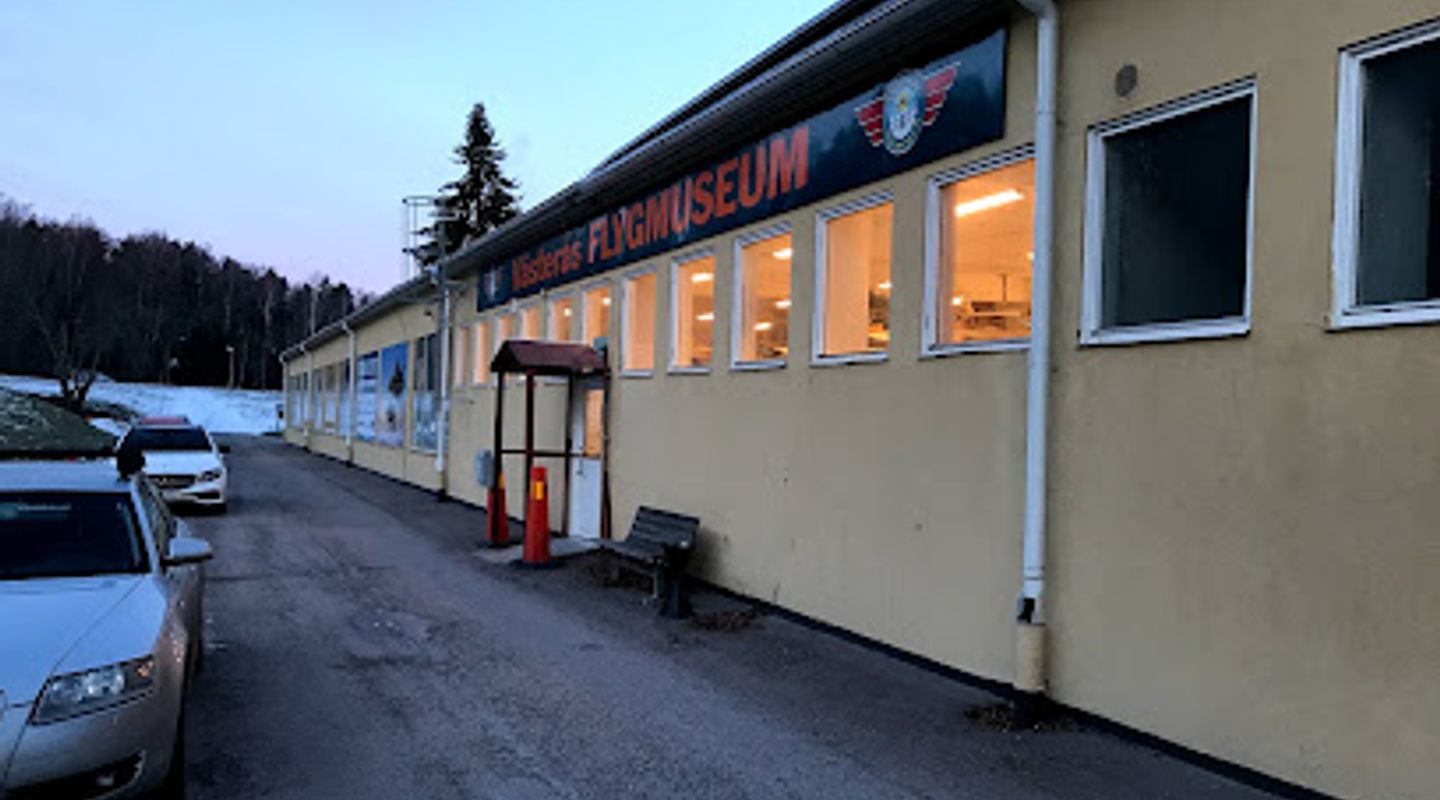
Västerås Flygmuseum occupies a historic 1930s hangar at Stockholm–Västerås Airport and displays a dynamic collection of veteran aircraft and helicopter types, many kept in airworthy condition. The museum pairs hands-on exhibits — including several realistic cockpit simulators — with a hangar atmosphere of maintenance, engine oil and aviation history, making it a lively place for families, enthusiasts and anyone curious about flight.
On-site amenities
 Restrooms
 Drink options
 Food options
 Seating areas
 Information boards
Opening hours
- Mon–SatClosed
- Sun11 am–4 pm
Opening hours as listed on the venue’s Google Business Profile. Hours can change for services and special events, so check with the venue before you go.
- Address
- Hässlögatan 16, 721 31 Västerås
- Phone
- Website
Getting there
By regional bus
By taxi or rideshare
By car
Discover more about Vasteras Flight Museum
Hangar with history and character
The museum is housed in a large wooden-and-steel hangar originally built in the 1930s for military aircraft maintenance; its scale and timber structure still frame the displays and give the space an authentic workshop feeling. The architecture is utilitarian but full of character: riveted frames, high trusses and large bay doors create a sense of scale that complements the collection of piston and jet types arrayed under the roof.
A living collection of veteran aircraft
More than two dozen fixed‑wing aircraft and helicopters are part of the museum’s rotating display; a notable feature is that most of these machines are maintained in flying condition and are used at airshows and rollouts. The fleet ranges from training biplanes and civil classics to jet fighters and transports, and the roster changes from season to season as aircraft are loaned, flown or returned after maintenance. Engines, cockpit instruments and models collected alongside the airframes help tell technical and operational stories.
Simulators and hands‑on experiences
The museum’s simulator suite offers several full‑cockpit experiences built around genuine instrument panels. Simulators range from classic trainers to modern fighters and airliners, and they are staffed by instructors who brief and support visitors during sessions. These hands‑on exhibits are aimed at older children and adults who want an immersive feel for flying controls, instruments and the soundscape of a cockpit.
Collections that move and participate
A number of the museum’s exhibits leave the hangar on special occasions: seasonal rollouts, fly‑ins and membership flights place aircraft back on the field for pilots and the public to see in motion. The museum also conserves artifacts such as period radios, flight clothing, training aids and wartime photographs that place the aircraft in social and historical context. Small memorials and plaques recall local aviation episodes and the role of the former airbase.
Atmosphere and visitor experience
Inside the hangar you’ll notice the layered smells of oil, warm metal and old fabric, along with engine thrum when aircraft move or start. Lighting tends toward practical task lamps and skylights rather than gallery spotlights, reinforcing the impression of a working facility. A modest shop near the entrance stocks models, books and souvenirs; seating areas let families pause between exhibits. Group visits and guided tours are arranged by request outside standard opening hours.
Seasonality and community ties
The museum operates a compact public schedule with most regular opening hours concentrated on Sundays; much of its activity around rollouts and fly‑days is tied to the flying season and volunteer schedules. Local veteran‑aircraft groups, private owners and the museum association collaborate on maintenance, flying events and member flights, making the site a center for active preservation rather than a static display.
Evendo Review Centre
 Google
Guest reviews
Best time to go
Quietest: Jan, Feb & Dec · before 7am or from 7pm
Busy times are Evendo estimates for a typical year, to help you plan. Actual crowds vary with events, school holidays and the weather.
Explore Vasteras Flight Museum on the map
A handpicked selection of must-see spots near Vasteras Flight Museum, mapped for you.
Get your free copy of our complete guide to Vasteras Flight Museum, delivered straight to you.
Everything on this page, from opening hours and how to get there to Eve’s tips and the best time to go, in one PDF you can read offline, print or share.
Already have an account? Sign in
Your Vasteras Flight Museum guide is ready.
We'll send it to · Not you? Sign out

Getting your guide ready…
We are putting together a fresh copy of the Vasteras Flight Museum guide. This can take up to a minute.
This can take a few moments. If your browser asks, choose Allow so the download can start. You'll find the guide in your Downloads folder.
Nothing happened? Download it again
Sorry, the guide is taking longer than usual. Please try again in a minute, or get it by email instead.
Other nearby places you may find interesting
The closest places of the same kind, if this one is not quite what you had in mind.
-
-
-
-
-


Swipe for more places
More to explore near Vasteras Flight Museum

 Best experiences near Vasteras Flight Museum
 Best hotels near Vasteras Flight Museum
 Best landmarks near Vasteras Flight Museum
 Best attractions near Vasteras Flight Museum
 Best shops near Vasteras Flight Museum
 Best restaurants near Vasteras Flight Museum
 Best bars near Vasteras Flight Museum
Do you manage this location?
Take control to get all the benefits, like improved information, better appearance, and stronger visibility across AI-powered discovery.
Explore more

Explore more of Västmanland
Discover Västmanland: A blend of natural beauty, historical treasures, and modern attractions in the heart of Sweden.
Explore Västmanland
Explore more of Sweden
Discover Sweden's breathtaking landscapes, vibrant cities, and rich cultural heritage. From the Northern Lights to historic castles, experience the essence of Scandinavia.
Explore Sweden
