

Herrfallsäng Travel Guide
Free Guide: A limestone meadow reserve near Hallsberg where centuries of haymaking and groundwater-fed marshes create an unusually rich carpet of wildflowers and orchids.


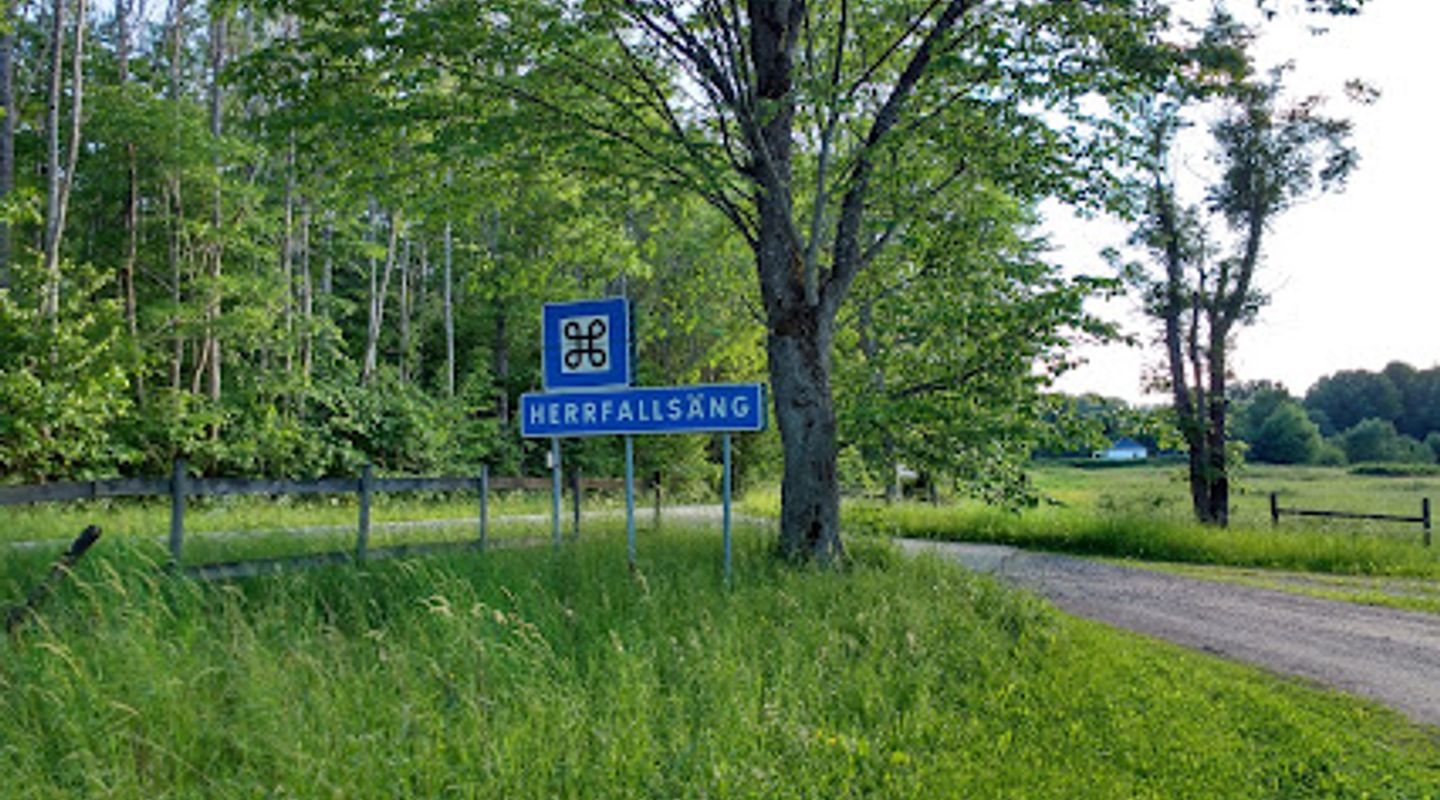
A brief summary of Herrfallsäng
A limestone meadow reserve near Hallsberg where centuries of haymaking and groundwater-fed marshes create an unusually rich carpet of wildflowers and orchids.
Herrfallsäng is a limestone-rich nature reserve in Hallsberg, Örebro County, where centuries of traditional haymaking and grazing have produced an exceptionally species-rich meadow landscape. Across gently rolling slopes, you’ll find open flower-rich grassland, scattered hazel and deciduous groves, cold springs and marshy hollows that host orchids and other lime-loving plants; the reserve is managed to preserve its botanical diversity and historical meadow character.
On-site amenities
 Seating areas
 Information boards
 Trash bins
Opening hours
- Every dayOpen 24 hours
Opening hours as listed on the venue’s Google Business Profile. Hours can change for services and special events, so check with the venue before you go.
- Address
- C, Hallsberg
- Website
Getting there
By car
Regional bus + walk
Bicycle
Discover more about Herrfallsäng
Ancient meadow shaped by ice and farming
Herrfallsäng’s character is rooted in geology and human care: when the inland ice retreated it left a layer of limestone-rich till over the hard bedrock, creating the alkaline soils that favour a profusion of meadow plants. Centuries of mowing and summer grazing prevented scrub takeover and produced the open, flowery sward that defines the reserve today. The site was protected already in the 1930s and later expanded, reflecting its long-standing value as a botanical landscape.
Plant life and hidden specialists
The reserve supports nearly three hundred vascular plant species, many of them calciphile specialists that thrive on the base-rich ground. Early- and mid-summer bring dense carpets of meadow flowers; later in season you’ll notice orchids and other species clustered in damp hollows and marshy patches fed by groundwater seepage. Scattered stands of hazel and other deciduous trees—remnants of old wood pasture or managed groves—add structural variety and shelter for shade-loving plants at the margins.
Water, marsh and the small dramatic features
Herrfallsäng’s slope and groundwater flow produce cold springs and a mosaic of wetland pockets and fens. These wetter compartments concentrate botanical interest—orchids, sedges and fen specialists—and act as important microhabitats for invertebrates and amphibians. Where ditches have been dug in the past, restoration work focuses on blocking drains and restoring natural water levels so marshy areas can recover their native plant communities.
Traditional land use and modern management
The reserve’s present appearance is the result of traditional haymaking and grazing cycles. Historically hay was cut and stored as winter fodder while animals grazed pastures in summer; this regime maintained low soil fertility and high plant diversity. Today management combines late-season mowing—timed so plants set seed—with summer grazing on surrounding fields and occasional restoration measures such as scrub clearance and rewetting of drained patches to keep the meadow network intact.
Sensory character and seasonal rhythms
In spring and early summer Herrfallsäng feels bright and buzzy: grasses and flowers sway on gentle slopes, skylarks and other passerines call overhead, and a light lime-scented earthiness hangs in warm sunlight. By late summer, cut hay and the mellow tones of drying grasses mark the agricultural rhythm. In wetter corners the air stays cooler and mossy, with the hush of reeds and the occasional high-pitched call of wetland birds.
What to look for while you’re here
Walk the reserve’s easy footpaths to take in the variety of habitats: open hayfields, pockets of deciduous groves, wet hollows and spring-fed marshes. Notice the changes in plant communities as the soil chemistry and moisture shift across short distances. The mixture of old meadow features and small-scale restoration work gives the place both historical depth and a sense of ongoing ecological recovery.
Evendo Review Centre
 Google
Guest reviews
Best time to go
Quietest: Jan, Feb & Nov · before 6am or at 9pm
Busy times are Evendo estimates for a typical year, to help you plan. Actual crowds vary with events, school holidays and the weather.
Explore Herrfallsäng on the map
A handpicked selection of must-see spots near Herrfallsäng, mapped for you.
Get your free copy of our complete guide to Herrfallsäng, delivered straight to you.
Everything on this page, from opening hours and how to get there to Eve’s tips and the best time to go, in one PDF you can read offline, print or share.
Already have an account? Sign in
Your Herrfallsäng guide is ready.
We'll send it to · Not you? Sign out

Getting your guide ready…
We are putting together a fresh copy of the Herrfallsäng guide. This can take up to a minute.
This can take a few moments. If your browser asks, choose Allow so the download can start. You'll find the guide in your Downloads folder.
Nothing happened? Download it again
Sorry, the guide is taking longer than usual. Please try again in a minute, or get it by email instead.
Other nearby places you may find interesting
The closest places of the same kind, if this one is not quite what you had in mind.
-
-
-
-
-


Swipe for more places
More to explore near Herrfallsäng

 Best experiences near Herrfallsäng
 Best hotels near Herrfallsäng
 Best landmarks near Herrfallsäng
 Best attractions near Herrfallsäng
 Best shops near Herrfallsäng
 Best restaurants near Herrfallsäng
 Best bars near Herrfallsäng
Do you manage this location?
Take control to get all the benefits, like improved information, better appearance, and stronger visibility across AI-powered discovery.
Explore more
Explore more of Västmanland
Discover Västmanland: A blend of natural beauty, historical treasures, and modern attractions in the heart of Sweden.
Explore Västmanland
Explore more of Sweden
Discover Sweden's breathtaking landscapes, vibrant cities, and rich cultural heritage. From the Northern Lights to historic castles, experience the essence of Scandinavia.
Explore Sweden
