
Oljeön, Vastmanland Travel Guide
A compact, atmospheric island refinery — the world's oldest preserved oil refinery, set on a small lake isle amid Bergslagen's industrial landscape.
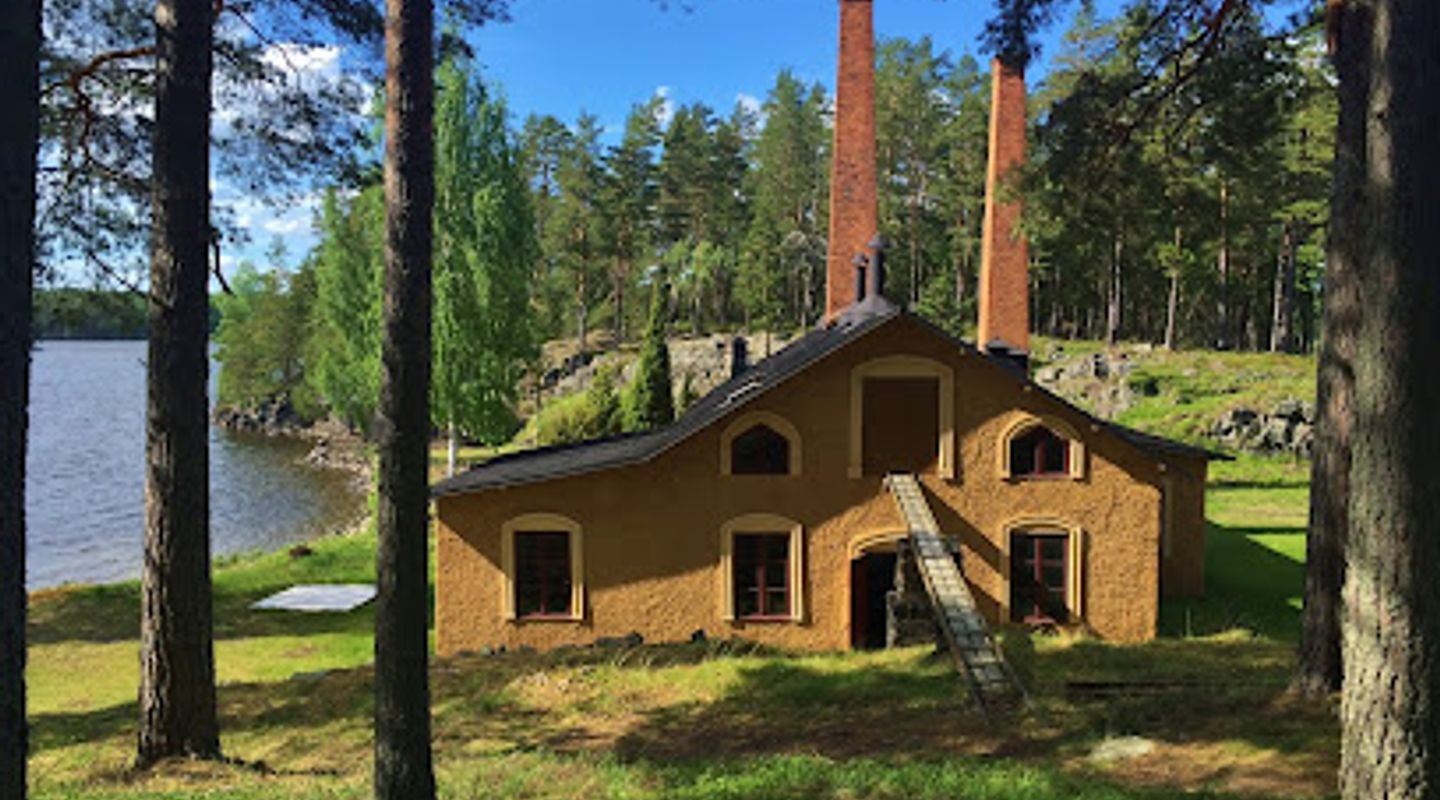
Oljeön, on the small island Barrön in lake Åmänningen at Ängelsberg, is home to Engelsbergs oljefabrik — the world's oldest preserved oil refinery, built in the 1870s. The compact industrial complex preserves factory interiors, workers' housing and outbuildings from the late 19th century and is visited during summer guided tours; the site blends industrial heritage with waterside scenery and forms a distinctive companion to nearby Engelsbergs bruk and the surrounding Bergslagen landscape.
A brief summary to Oljeön
- Ängelsbergsvägen, Ängelsberg, 737 90, SE
- Click to display
- Click to display
- Duration: 0.5 to 2 hours
- Mid ranged
-
 Outdoor
- Mobile reception: 3 out of 5
- Monday 2 pm-3:30 pm
- Tuesday 2 pm-3:30 pm
- Wednesday 2 pm-3:30 pm
- Thursday 2 pm-3:30 pm
- Friday 2 pm-3:30 pm
- Saturday 2 pm-3:30 pm
- Sunday 2 pm-3:30 pm

Know before you go
Hi, I'm Eve. Here are a few practical things to know before exploring Oljeön.
- Visits are typically by guided tour in summer; check local season dates and tour times before planning — tours include a short boat crossing.
- Wear sturdy, closed shoes for uneven wooden platforms and historic floors; parts of the site are fragile and narrow.
- Bring a light jacket — conditions on the water can be cooler and breezier than onshore, even in warm months.
Do you manage this location?
Take control to get all the benefits, like improved information, better appearance, and stronger visibility across AI-powered discovery. Learn more about listing your business on Evendo
Activate your presenceOther nearby places you may find interesting
The closest places of the same kind, if this one is not quite what you had in mind.

Explore Oljeön on the Map
A handpicked selection of must-see spots near Oljeön, mapped for you.
Getting There
-
Local ferry service
Scheduled passenger boat crossing operated seasonally from Ängelsberg harbour; typical crossing time 5–10 minutes; service frequency aligned with guided tours (commonly 2–4 departures per day in high season). Expect limited capacity and pre-booking for group visits at peak times; ticketed service typically charged per person (SEK range commonly around 50–120 depending on operator and year).
-
Taxi or regional car transfer
Taxi from nearby towns takes about 10–25 minutes depending on origin within the local area; suitable when ferry timetables are limited. Watch for restricted or limited parking at the harbour area; taxi fares vary regionally (approximate fare range SEK 200–600 for short local transfers).
-
Regional bus plus short walk
Regional bus services run to Ängelsberg village from larger towns; after alighting expect a short walk of more than 1 km along village streets and minor paths to the harbour area (walking terrain mostly level but may include uneven surfaces). Bus service frequency is seasonal; fares are paid via regional transport cards or on-board and typically cost modest regional single-ride prices (roughly SEK 30–80).
For the on-the-go comforts that matter to you
-
 Information Boards
-
 Seating Areas
Discover more about Oljeön
Origins and industrial boldness
Engelsbergs oljefabrik was established in the mid-1870s on the island Barrön — known locally as Oljeön — after its founder decided to place production offshore to reduce fire and explosion risk. The refinery processed imported crude oil and produced kerosene, lubricants and other oils that supplied Swedish households and industries; the plant’s remote-island siting and the surviving machinery and buildings capture a period when experimental industrial ventures pushed regional manufacturing into new commodities.What remains on the island
The ensemble on Oljeön includes the core refinery building with largely intact interior spaces, a small row of worker accommodation, oil cellars, a cookhouse and utility outbuildings. These compact structures are clustered close to the shore and set against the calm of Åmänningen; timber and masonry, aged patina and original fittings together convey how processing, storage and daily life were arranged on a small industrial island.Stories of risk and resilience
The site’s history is threaded with incidents that explain its location: earlier fires and at least one large explosive accident in the region prompted caution and the island location. The refinery’s operations diminished at the turn of the century and finally ceased in the 1920s when international competition and changing tariffs made continued production uneconomic. What remains on the island is therefore both a technical snapshot and a silent witness to economic shifts that reshaped small industrial enterprises.Landscape context and setting
Oljeön sits within a broader historic landscape; across the water lies the village and the well-preserved Engelsbergs bruk complex. From the island there are framed views of tree-lined shores and the small harbour town, giving visitors a sense of how industry and settlement were woven into the Bergslagen lakes. The scale here is intimate: narrow timber jetties, a modest landing and the low-slung factory roofs make the island legible at a glance.Conservation and visitor experience
The refinery is maintained as a preserved industrial site and is presented to the public through guided visits in season. The compact cluster of buildings and original fittings allow visitors to sense production workflows and the rhythms of workers’ life; interpretive displays and guides place machinery and tools in context without overwhelming the small footprint of the island.Why the site matters today
Oljeön is valuable as a rare, intact example of 19th-century oil refining outside major industrial ports. Its preserved structures offer scholars and visitors a direct encounter with early refining technology and the social world that operated it, while the island’s calm setting turns a technical site into a distinctive cultural landscape that links local craft, global trade and the particular practicalities of running hazardous industry in a rural lake setting.












Your all‑in‑one travel companion app
Explore expert travel guides, compare and book tours, experiences, hotels, and more—all from the palm of your hand. Download now for seamless trip planning wherever your wanderlust takes you.


Explore More of Vastmanland
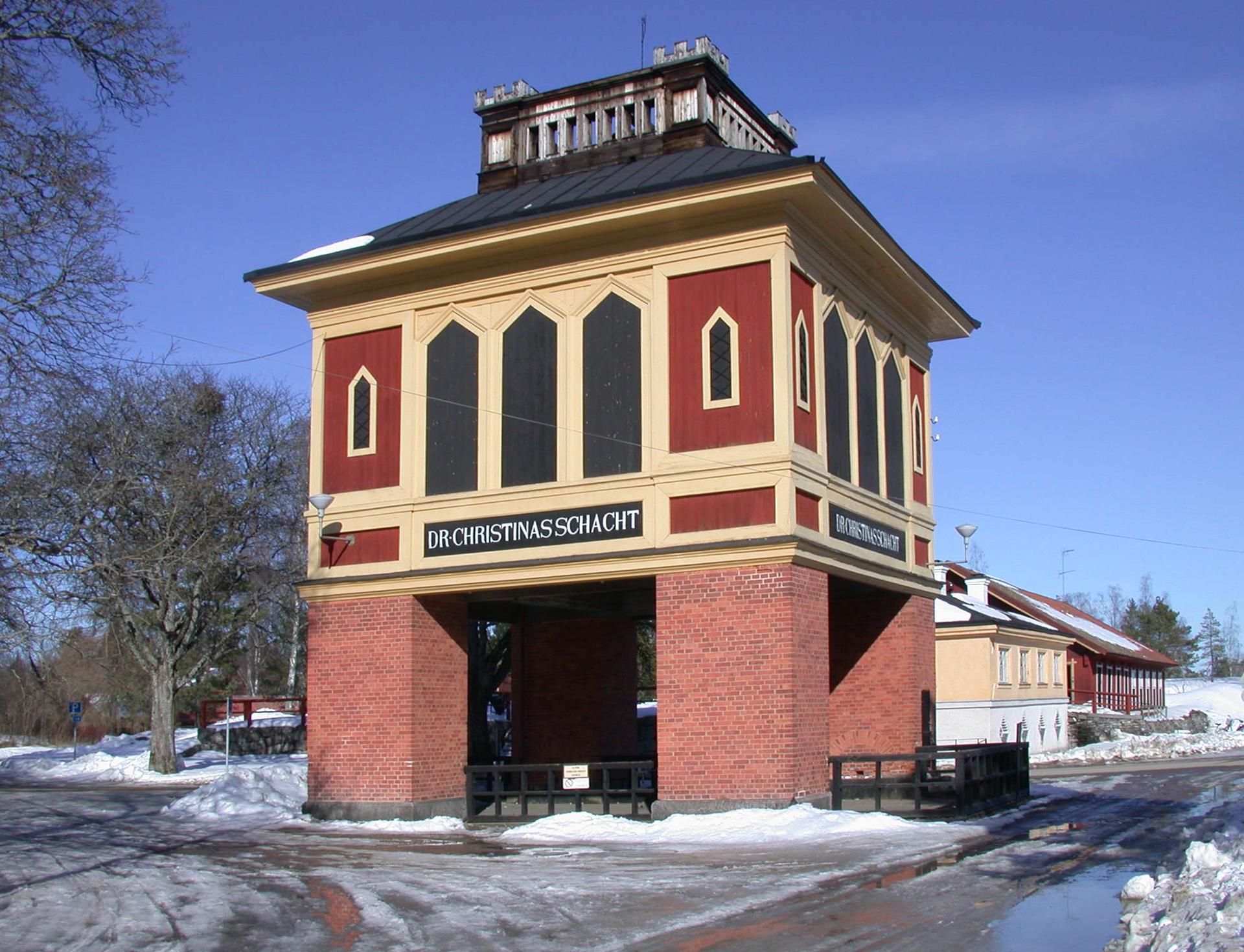
Looking beyond Oljeön? Discover Vastmanland for broader travel guides, local hot-spots, and regional highlights.
Explore Vastmanland
Encounter majestic European bison up close at this pivotal conservation park, blending wildlife wonders, historic farm life, and serene Swedish countryside trails.
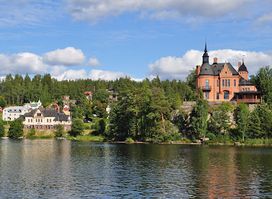
Discover the world's oldest preserved oil refinery on a tranquil island in Lake Åmänningen—step into 19th-century industrial Sweden with guided tours of factories and workers' homes amid stunning natural beauty.
