

Siljansfors Forest Museum Travel Guide
Free Guide: A hands-on open-air museum in Mora that brings Sweden’s forestry, charcoal and timber-floating traditions to life amid pine and birch.


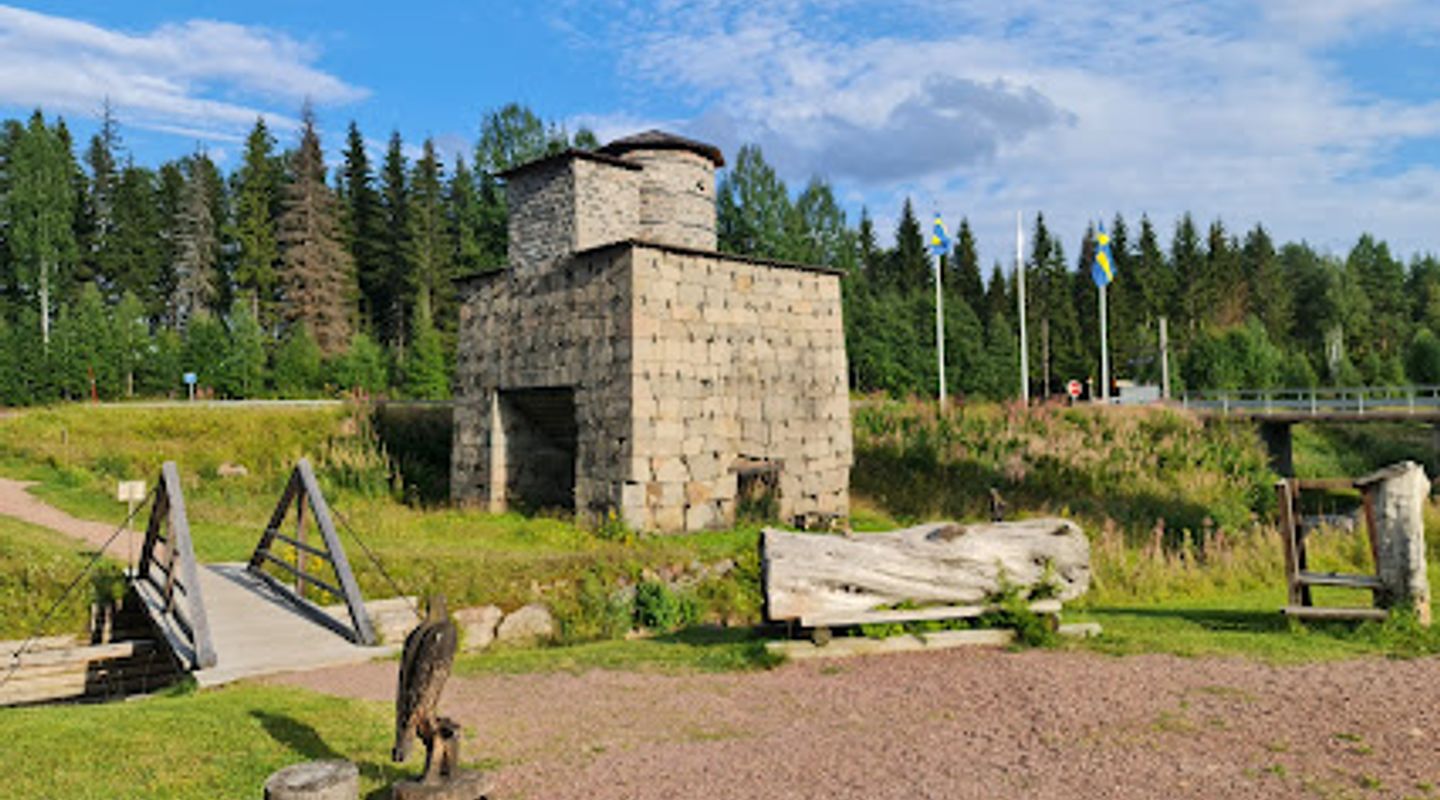
A brief summary of Siljansfors Forest Museum
A hands-on open-air museum in Mora that brings Sweden’s forestry, charcoal and timber-floating traditions to life amid pine and birch.
An atmospheric open-air museum in the Mora municipality that preserves and demonstrates traditional Swedish forestry, timber-floating and iron‑works heritage across recreated sites, exhibition halls and living-history displays. Set among pine and birch, the museum mixes large equipment, handcrafted charcoal kilns and simple worker dwellings with seasonal demonstrations and a small café and playground for families.
On-site amenities
 Restrooms
 Drink options
 Food options
 Seating areas
 Picnic areas
 Information boards
Opening hours
- Every day10 am–5 pm
Opening hours as listed on the venue’s Google Business Profile. Hours can change for services and special events, so check with the venue before you go.
- Address
- 792 80 Mora
- Website
Getting there
By regional bus
By car
By bicycle or active travel
Discover more about Siljansfors Forest Museum
A living landscape of timber and tools
Siljansfors Forest Museum spreads through a wooded hollow where historical forest practices are reconstructed in their original setting. Around the main yard you’ll find demonstration areas—an assembled charcoal kiln, a tar-drying pit and traditional log shelters—placed amid stands of pine and birch that once fed local forges and sawmills. The layout emphasises the relationship between raw landscape and working technology, so artifacts sit where they were used rather than behind glass.
From ironworks to timber floating
The museum traces a regional arc that runs from small-scale iron production to large-scale timber management and the seasonal craft of log floating. You’ll encounter interpretive exhibits and models that show how cut timber was moved and processed, plus preserved large items—old saw benches, chainsaws and floatation gear—that demonstrate the mechanical side of the industry. A scale model of the 19th‑century local ironworks provides context for how forests and forges were economically linked.
Built demonstrations and hands-on craft
Siljansfors is designed for tactile learning: reconstructed dwellings, an open charcoal (mila) site and period buildings are assembled to show working life rather than simply display objects. Demonstrations—when scheduled—bring alive traditional tasks such as charcoal burning and tar production; small interpretive panels and displays inside the main assembly hall explain methods and seasonal rhythms. The museum’s compact exhibition spaces complement the outdoor scenes with photographs, tools and audiovisual material.
A family-friendly site with simple facilities
The museum offers a modest visitor experience rather than a full-service complex: there is a small cafeteria serving coffee and light food, a children’s play area and seating scattered across the grounds. Paths are mostly natural and can be uneven in places; much of the site is easily explored on a relaxed stroll, but some demonstration areas and hillside viewpoints require steady footing. Benches and picnic spots give room to linger in the quiet of the trees.
Seasonal life and events
Siljansfors follows a seasonal rhythm: spring and summer bring the most activity, with extended opening hours and live demonstrations, while autumn and winter focus on preservation and off-season maintenance. The museum hosts occasional events tied to forest crafts and local rural traditions that spotlight historical processes—charcoal lighting, traditional woodworking and guided talks on forestry techniques.
Character and visitor encounter
The overall character is rustic, authentic and informative rather than glossy. The site appeals to those who want to feel the texture of forest work—scent of wood smoke, the rough grain of sawn timbers, and the sight of hand tools and heavy machinery placed where they were used. It is particularly rewarding for anyone interested in industrial heritage, landscape history or hands-on demonstrations of crafts that shaped rural Sweden.
Evendo Review Centre
 Google
Guest reviews
Best time to go
Quietest: Jan, Feb & Dec · before 8am or from 8pm
Busy times are Evendo estimates for a typical year, to help you plan. Actual crowds vary with events, school holidays and the weather.
Explore Siljansfors Forest Museum on the map
A handpicked selection of must-see spots near Siljansfors Forest Museum, mapped for you.
Get your free copy of our complete guide to Siljansfors Forest Museum, delivered straight to you.
Everything on this page, from opening hours and how to get there to Eve’s tips and the best time to go, in one PDF you can read offline, print or share.
Already have an account? Sign in
Your Siljansfors Forest Museum guide is ready.
We'll send it to · Not you? Sign out

Getting your guide ready…
We are putting together a fresh copy of the Siljansfors Forest Museum guide. This can take up to a minute.
This can take a few moments. If your browser asks, choose Allow so the download can start. You'll find the guide in your Downloads folder.
Nothing happened? Download it again
Sorry, the guide is taking longer than usual. Please try again in a minute, or get it by email instead.
Other nearby places you may find interesting
The closest places of the same kind, if this one is not quite what you had in mind.
-
-
-
-
-


Swipe for more places
More to explore near Siljansfors Forest Museum
-
 Best experiences near Siljansfors Forest Museum
-
 Best hotels near Siljansfors Forest Museum
-
 Best landmarks near Siljansfors Forest Museum
-
 Best attractions near Siljansfors Forest Museum
-
 Best shops near Siljansfors Forest Museum
-
 Best restaurants near Siljansfors Forest Museum
-
 Best bars near Siljansfors Forest Museum


Do you manage this location?
Take control to get all the benefits, like improved information, better appearance, and stronger visibility across AI-powered discovery.
Explore more
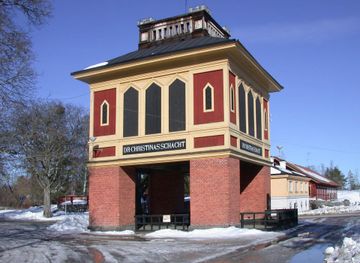
Explore more of Västmanland
Discover Västmanland: A blend of natural beauty, historical treasures, and modern attractions in the heart of Sweden.
Explore Västmanland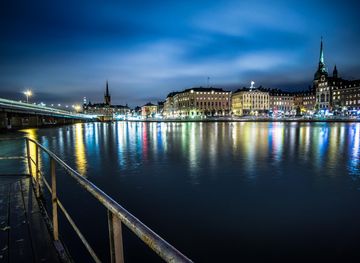
Explore more of Sweden
Discover Sweden's breathtaking landscapes, vibrant cities, and rich cultural heritage. From the Northern Lights to historic castles, experience the essence of Scandinavia.
Explore Sweden
