Turbinhuset, Vastmanland Travel Guide
A small 1891 red‑brick powerhouse on Svartån that helped spark Västerås’s industrial rise and still quietly generates renewable electricity.
Turbinhuset is a compact red‑brick water‑power station built in 1891 on the banks of Svartån in central Västerås, beside the castle and city hall. One of Sweden’s earliest municipal powerhouses, it supplied the electricity that helped attract ASEA (later ABB) and became a seed for Västerås’s industrial energy cluster; today it is a protected cultural monument that still produces renewable electricity while functioning as a small technical museum and interpretive site.
A brief summary to Turbinhuset
- Västerås, 722 11, SE
- Click to display
- Click to display
- Duration: 0.25 to 1 hours
- Free
-
 Outdoor
- Mobile reception: 4 out of 5

Know before you go
Hi, I'm Eve. Here are a few practical things to know before exploring Turbinhuset.
- Check whether guided tours are running before you visit; internal access is sometimes limited and group sizes may be controlled.
- Visit the riverbank viewpoints by Västerås Castle for the best exterior photos; the building’s brick façade and arched details photograph well in soft light.
- Respect conservation signage and stay behind barriers where indicated—the turbine hall is historic and parts remain in operational use.
Do you manage this location?
Take control to get all the benefits, like improved information, better appearance, and stronger visibility across AI-powered discovery. Learn more about listing your business on Evendo
Activate your presenceOther nearby places you may find interesting
The closest places of the same kind, if this one is not quite what you had in mind.
Explore Turbinhuset on the Map
A handpicked selection of must-see spots near Turbinhuset, mapped for you.
Getting There
-
Public bus
City bus from central Västerås: frequent services from the central station to stops within a short 5–10 minute walk of the riverside; typical travel time 8–15 minutes depending on route and traffic; contact local transit operator for timetable and single‑ride fares (prices vary by ticket type).
-
Train + walk
Regional train to Västerås central station then a 10–18 minute mostly flat riverside walk across town to Svartån beside the castle; total travel time from nearby towns typically 20–40 minutes by rail plus the walk; station area has paid parking and bike hire options.
-
Taxi or ride‑hail
Taxi from Västerås station or city centre: travel time 6–12 minutes depending on traffic; fares depend on operator and time of day—expect a modest city fare in local currency; note that access is easy but street parking near the riverside can be limited during events.
For the on-the-go comforts that matter to you
-
 Seating Areas
-
 Information Boards
Discover more about Turbinhuset
A compact powerhouse with big consequences
Turbinhuset was erected in 1891 on Svartån and designed as a machine house to harness the river’s fall for electricity generation. The building’s modest footprint conceals its outsized historical role: the electricity produced here in the 1890s enabled industrial expansion in Västerås and helped secure the establishment of what became ASEA — a formative moment in the city’s transformation into a national energy and engineering hub.Architecture that respects its surroundings
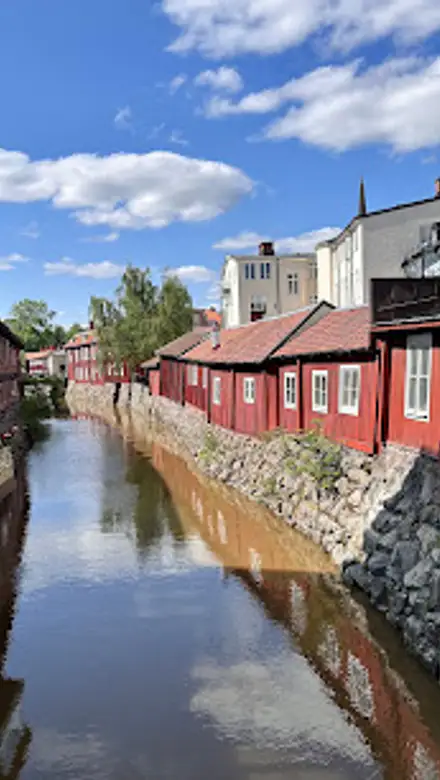
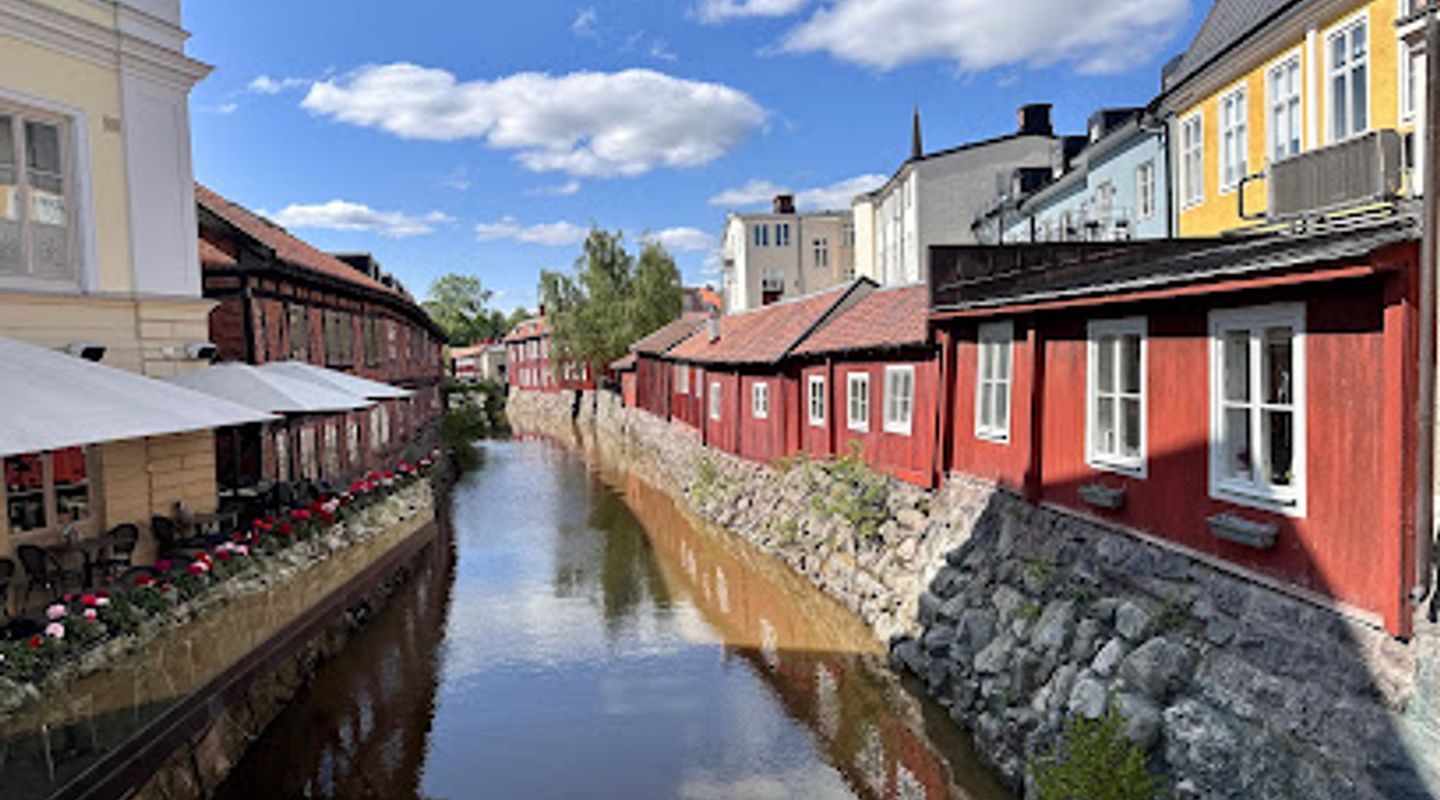
The exterior is a restrained red‑brick façade with round‑arched motifs and a late‑19th‑century industrial aesthetic meant to sit quietly beside Västerås Castle and the municipal buildings. Although utilitarian in purpose, the masonry and proportions were treated with care so the structure would integrate with the older civic and parkland setting along the river.Machines, continuity and renewal
Inside the compact engine room you encounter a layering of technologies: one of the original turbines from the turn of the century remains as a witness to early hydro‑electric engineering, while modern turbines installed later keep the site operational in limited commercial production. The building has alternated between industrial use, storage and museum functions over the decades, but it retains its identity as a working small hydro plant that produces fossil‑free electricity.How the site is used today
Turbinhuset exists now as a cultural monument and interpretive site: the fabric of the machine hall and glimpses of historic equipment tell the story of municipal electrification and industrial growth. Guided visits are offered at times, and the building’s status as a listed monument means conservation is balanced with occasional, limited public access so visitors can experience both the architecture and the industrial narrative in situ.Sensory details and riverside setting
From the riverbank the building reads as a small, purposeful block of brick; you hear the water’s flow in the sluice and feel the city’s pulse where historic fabric meets everyday urban life. Seasonal light—low and warm in late autumn, sharp and reflective in winter—accentuates the brick texture, while the river and nearby parkland frame photographic compositions and quiet moments of contemplation.Why it matters locally
Beyond architectural charm, Turbinhuset’s significance is technical and civic: it exemplifies late‑19th‑century municipal investment in public utilities and demonstrates how early electrification shaped industrial geography. As a protected building that continues to generate renewable energy, it links the city’s industrial origins to contemporary conversations about sustainable power and adaptive reuse.












Your all‑in‑one travel companion app
Explore expert travel guides, compare and book tours, experiences, hotels, and more—all from the palm of your hand. Download now for seamless trip planning wherever your wanderlust takes you.


Explore More of Vastmanland
Looking beyond Turbinhuset? Discover Vastmanland for broader travel guides, local hot-spots, and regional highlights.
Explore Vastmanland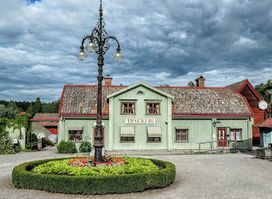
Step into Västmanland's living past at this free open-air museum, where historic farms, native animals, and heritage gardens recreate centuries of rural Sweden.
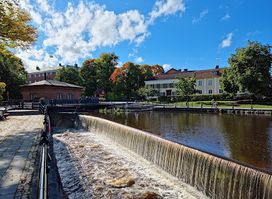
A compact, engineered river corridor at Fiskartorget where stone channels and shallow rapids let you watch Svartån's fish and urban wildlife up close.