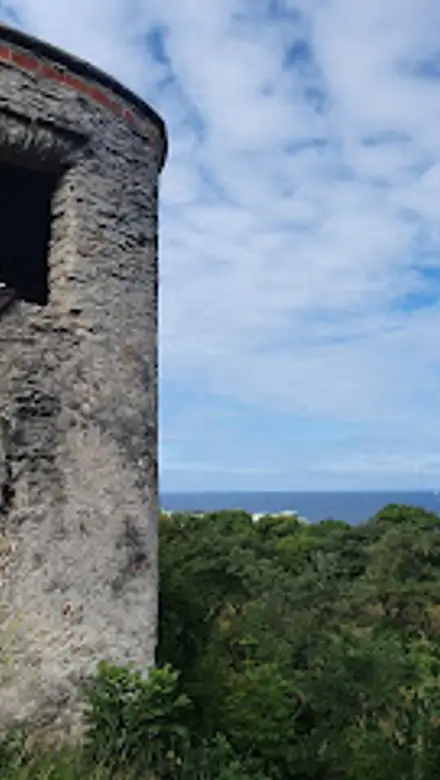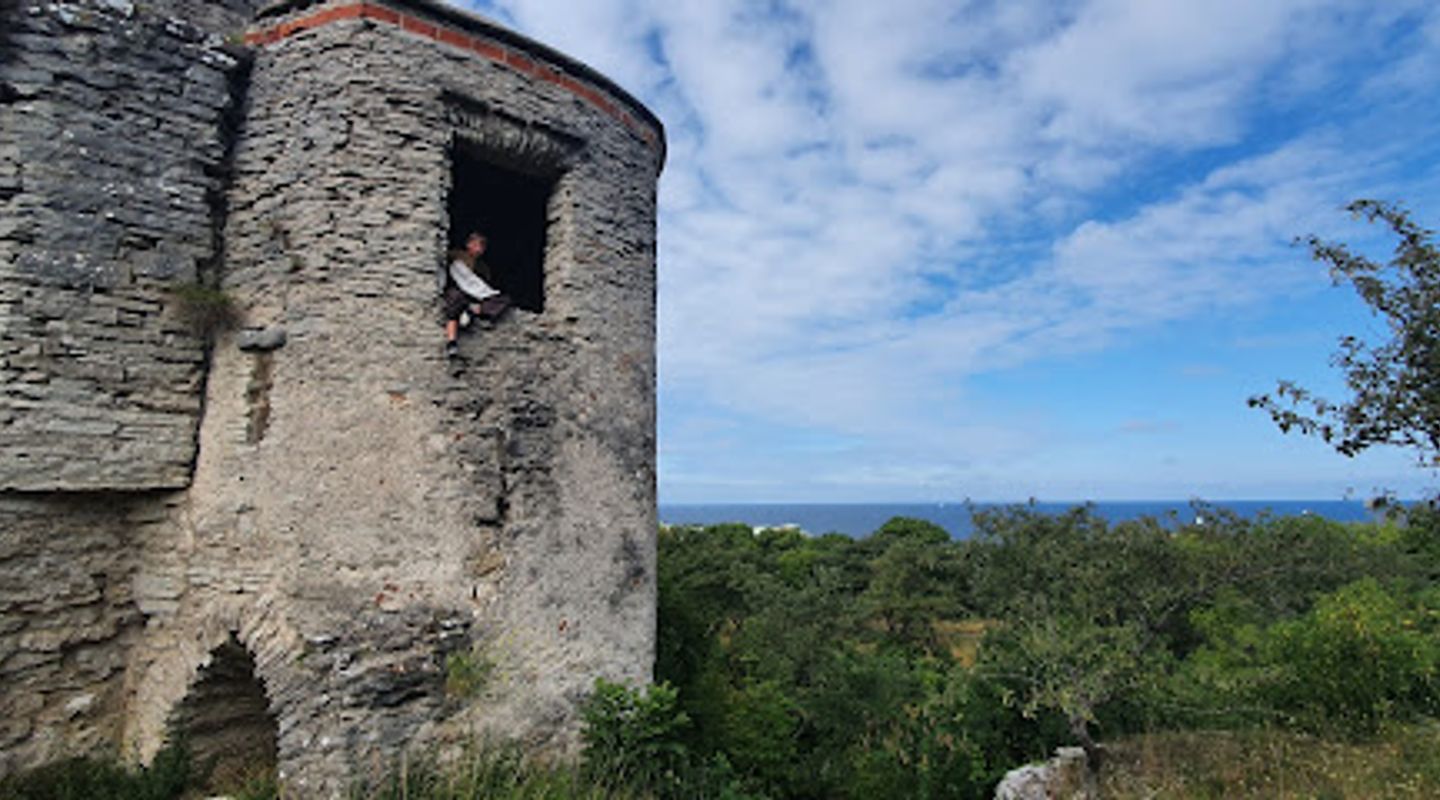
Double lime kiln, Visby Travel Guide
Twin chambers of stone whisper tales of fire and mortar in Visby's medieval heart, where limestone fueled a Hanseatic empire.
The Double Lime Kiln on Bergsgatan in Visby stands as a striking relic of Gotland's industrial heritage. This historic structure, with its twin chambers, reveals the ingenuity of lime production that fueled medieval construction across the island. Nestled amid Visby's medieval walls and rose-hipped gardens, it offers a quiet glimpse into the labor-intensive process of transforming limestone into mortar for the city's iconic fortifications. Free to visit at any time, it's an easy addition to any walking tour of Gotland's capital, blending industrial archaeology with the island's UNESCO-listed charm. Approach via the stone-paved streets to appreciate its weathered stonework against the Baltic backdrop.
A brief summary to Double lime kiln
- Bergsgatan, Visby, 621 55, SE
- Duration: 0.5 to 1.5 hours
- Free
-
 Outdoor
- Mobile reception: 5 out of 5

Know before you go
Hi, I'm Eve. Here are a few practical things to know before exploring Double lime kiln.
- Visit at golden hour for dramatic shadows accentuating the kiln's arches against Visby's ringwall.
- Pair your stop with a stroll along Bergsgatan to spot other industrial relics amid medieval gardens.
- Feel the stone surfaces to sense the heat scars from centuries of lime burning.
Do you manage this location?
Take control to get all the benefits, like improved information, better appearance, and stronger visibility across AI-powered discovery. Learn more about listing your business on Evendo
Activate your presenceOther nearby places you may find interesting
The closest places of the same kind, if this one is not quite what you had in mind.
Explore Double lime kiln on the Map
A handpicked selection of must-see spots near Double lime kiln, mapped for you.
Getting There
-
Walking
From Visby bus station, walk 15-20 minutes along pedestrian-friendly streets and paths with mild inclines; fully accessible year-round, no fees involved.
-
Bicycle
Cycle from Visby harbor center in 8-12 minutes via flat bike lanes on Bergsgatan; secure racks nearby, ideal in mild weather.
-
Bus
Take local bus line from Donners plats terminal, 10-15 minutes ride frequency every 30 minutes weekdays, fares 25-40 SEK; alight at Bergsgatan stop.
-
Car
Drive from Visby ring road in 5-8 minutes, limited street parking nearby 20-40 SEK per hour; narrow roads constrain larger vehicles.
For the on-the-go comforts that matter to you
-
 Trash Bins
-
 Seating Areas
Discover more about Double lime kiln
Lime Production's Vital Role
The Double Lime Kiln exemplifies Gotland's longstanding lime industry, which traces back to the 12th century. Limestone, abundant on the island, was quarried and burned in structures like this to produce quicklime essential for mortar in building Visby's grand city wall during the 13th and 14th centuries. The kiln's dual design allowed for efficient batch processing, where layers of limestone and fuel—typically wood or charcoal—were ignited, sustaining high temperatures for days to calcine the stone into usable lime.This process was labor-intensive, requiring careful stacking to ensure even burning and prevent fusion of the lime. The resulting powder mixed with water formed the hydraulic mortar that bound the island's fieldstone walls, churches, and homes, contributing to Visby's preserved medieval skyline.
Architectural Ingenuity
Crafted from local limestone, the kiln features two conjoined chambers, each with a base opening for draft and lime extraction. Its robust, conical form—likely topped with turf in operation—maximized heat retention while directing prevailing winds through the structure for optimal combustion. Traces of clay superstructures and post-holes around similar kilns suggest temporary coverings used during firing cycles that lasted 48 to 72 hours.Standing on Bergsgatan, the kiln's weathered surfaces bear witness to repeated use, its arches and walls scarred by intense heat. This double configuration hints at scaled production to meet demands from Visby's booming trade era as a Hanseatic hub.
Gotland's Limestone Legacy
Gotland's northern regions, including sites near Visby, hosted extensive quarrying since medieval times for both building stone and lime. The island's bryozoan limestone and travertine deposits fueled kilns that supported construction booms, from royal residences to ecclesiastical structures. Inventories from the 1940s documented numerous such kilns, underscoring the industry's peak before modern methods supplanted them.The Double Lime Kiln, preserved amid urban Visby, connects to this broader narrative, where lime burners worked seasonally, gathering shells and local stone to supplement fuel stacks.
Atmosphere and Surroundings
Positioned along a quiet street in Visby's historic core, the kiln blends seamlessly with the town's rose-walled gardens and cobblestone paths. Its stark industrial form contrasts the ornate medieval ringwall nearby, evoking the gritty backbone of architectural splendor. Breezes carry faint sea salt from the Baltic, mingling with the earthy scent of limestone.Visitors encounter a serene spot ideal for contemplation, where the kiln's silent chambers invite reflection on vanished trades amid Gotland's timeless landscape.
Enduring Significance
As a testament to pre-industrial technology, the Double Lime Kiln highlights sustainable resource use in island economies. Its preservation aids understanding of how local materials shaped Visby's UNESCO status, bridging Viking Age innovations with Gothic masonry. Today, it stands as an accessible outdoor exhibit, free from barriers, enhancing explorations of Gotland's layered history.












Your all‑in‑one travel companion app
Explore expert travel guides, compare and book tours, experiences, hotels, and more—all from the palm of your hand. Download now for seamless trip planning wherever your wanderlust takes you.


Explore More of Visby
Looking beyond Double lime kiln? Discover Visby for broader travel guides, local hot-spots, and regional highlights.
Explore Visby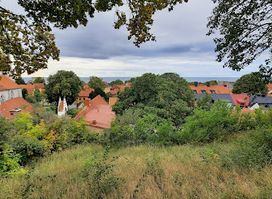
Discover medieval whispers in a rose-framed courtyard on Visby's historic Nygatan—a serene slice of Gotland's Hanseatic legacy amid UNESCO stone wonders.
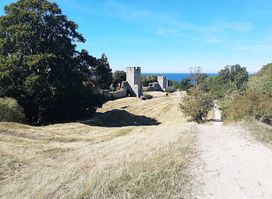
Sweden's remotest Baltic isle: mile-long dunes, seal colonies, pine wilds, and lighthouse vistas in pristine isolation.